








Introduction:The global pandemic has persisted for over two years, and the beverage industry has not been spared from soaring costs. From popular milk tea brands like Xiang Piao Piao to Cha Yan Yue Se, well-known companies have successively raised their prices, drawing attention from consumers. What factors are driving up these costs? How significant are the price hikes? This article delves into the challenges in global shipping during the pandemic, the explosive rise in coffee and dairy futures, and how raw material shortages are affecting end prices—offering insights into the current and future state of “milk tea freedom” and “coffee freedom.”
Since the outbreak of COVID-19 over two years ago, global prices have continued to climb, and the beverage industry has also been affected. The well-known milk tea brand Xiang Piao Piao announced on the evening of January 4, 2022, that due to across-the-board increases in raw materials, labor, transportation, and energy costs, it would adjust the prices of its instant powdered milk tea products (including both the Classic Series and the Good Stuff Series).The adjustment ranged between 2% and 8%. Shortly after, Cha Yan Yue Se followed suit on January 7, announcing price increases for most of its milk tea products, raising the price per cup by 1 to 2 Chinese yuan.

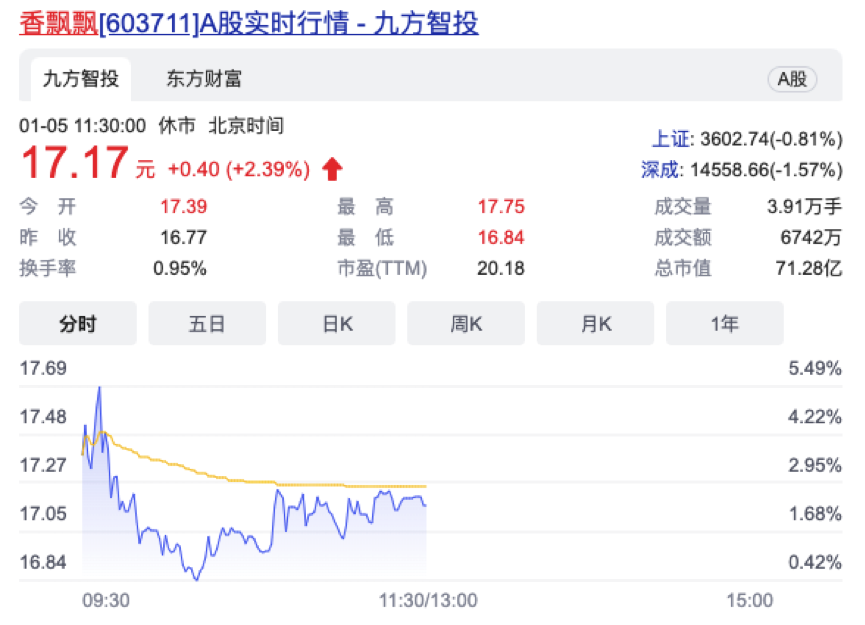
As soon as the news broke, the market reacted immediately—Xiang Piao Piao’s stock price opened higher the next day after the announcement, climbing over 2% by midday. However, consumer reactions were mixed. Some netizens said the price hike had little impact on them, with some even stating bluntly, “I don’t drink it often anyway.” Many others joked humorously, expressing concern that “Xiang Piao Piao might circle the Earth fewer times.” Even more netizens lamented, “Everything is going up in price except wages,” and even a few cents’ increase in the price of milk tea powder felt painful.
Many consumers also chose to “cut back,” deciding to temporarily give up milk tea to save on daily expenses. This wave of price increases is not limited to a single brand. While many office workers are still adjusting to rising food and beverage costs, Cha Yan Yue Se officially announced price adjustments on its WeChat official account, leaving many exclaiming, “The first surprise of 2022 is a bit painful.”
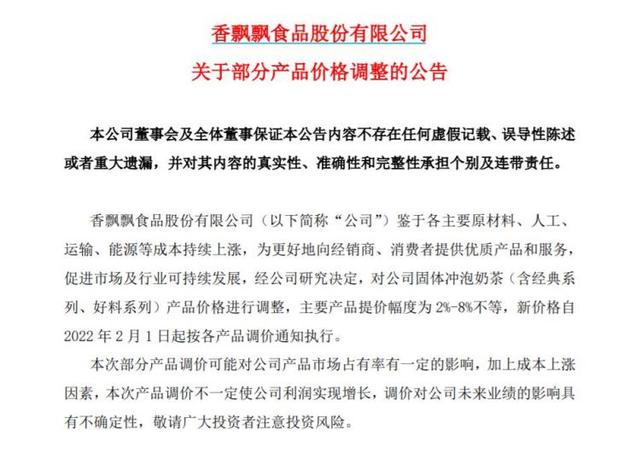
Looking into the reasons behind the price hikes, the global supply chain crisis triggered by the pandemic is a key factor. Among these, the shipping market has seen skyrocketing freight rates due to a shortage of containers. Due to differing pandemic policies across countries, cargo ships often face long queues upon arrival at ports, leading to significantly extended container dwell times and further driving up transportation costs. At the same time, the futures prices of major raw materials such as coffee and dairy products have also risen sharply over the past year, with coffee futures prices evendoubling within a year—and these cost pressures have ultimately been passed on to consumers.
On the other hand, raw material shortages have also been a major driver of the price increases. From milk powder and sugar to tea leaves and packaging materials, global supply instability during the pandemic has led to persistently high production costs. In this environment, not only milk tea brands but also coffee businesses are facing similar challenges. For example, some specialty coffee roasters have already adjusted the pricing of instant coffee and bean products to reflect rising procurement and logistics expenses.
As early as 2021, many coffee enthusiasts were already feeling that “coffee freedom” was no longer a given, and now it seems “milk tea freedom” is facing a similar fate. With stagnant income growth and continuously rising daily expenses, many office workers are beginning to re-examine their consumption habits and consider how to balance quality of life with spending within limited budgets.
Against this backdrop, understanding the cost structures and market trends of various beverages can help consumers make more informed choices. Will we still be able to enjoy a reasonably priced cup of milk tea or coffee in the future? This is not just an economic issue—it has also become a profound reflection for many people on the small joys of life during the pandemic era.
The above content is compiled by CoffeeHunters, a coffee news website.


