







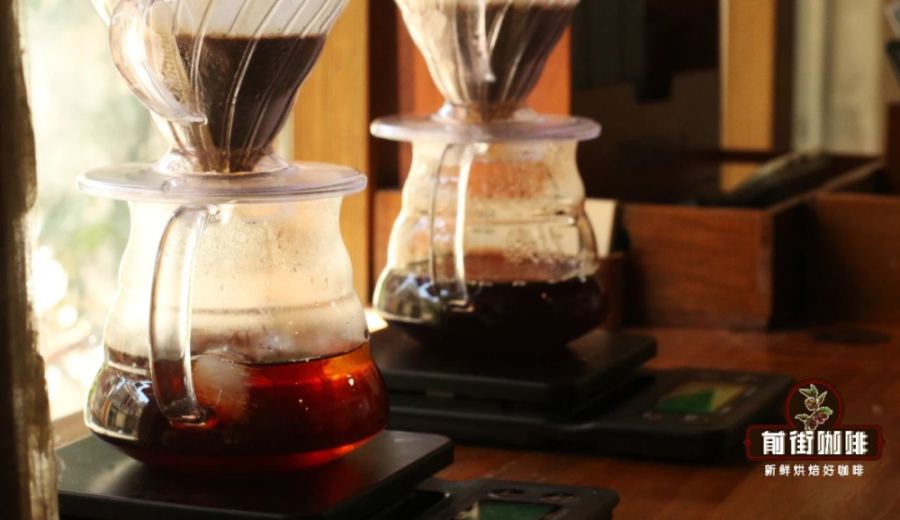
Introduction:Choosing a suitable pour over kettle is crucial for extraction stability and flavor expression. Although various pour over kettles may look similar in structure, subtle differences in spout shape, angle, and kettle body design can directly affect water flow control precision and coffee extraction performance. This article delves into the pouring characteristics of different kettle types, compares the practical differences between professional pour over kettles and ordinary kettles, and provides useful criteria for selection to help coffee enthusiasts find the tool that best suits them.
When browsing e-commerce platforms or specialty coffee equipment stores, the wide variety of pour over kettles can often make it difficult to decide. Although most products share a basic structure consisting of a spout, body, handle, and lid, slight design adjustments—such as the spout opening angle, body center of gravity distribution, or handle grip curvature—can significantly impact water flow control during pouring.
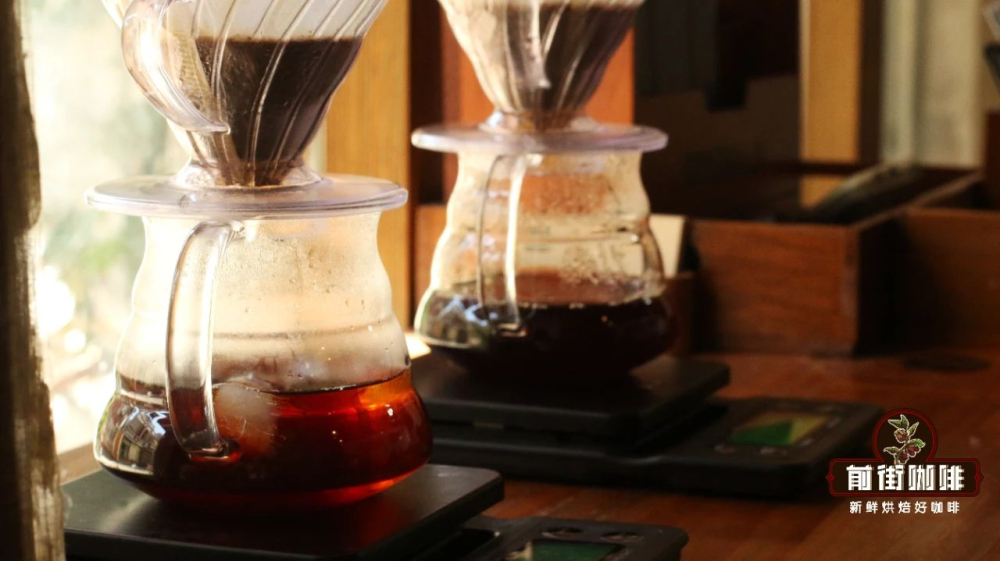
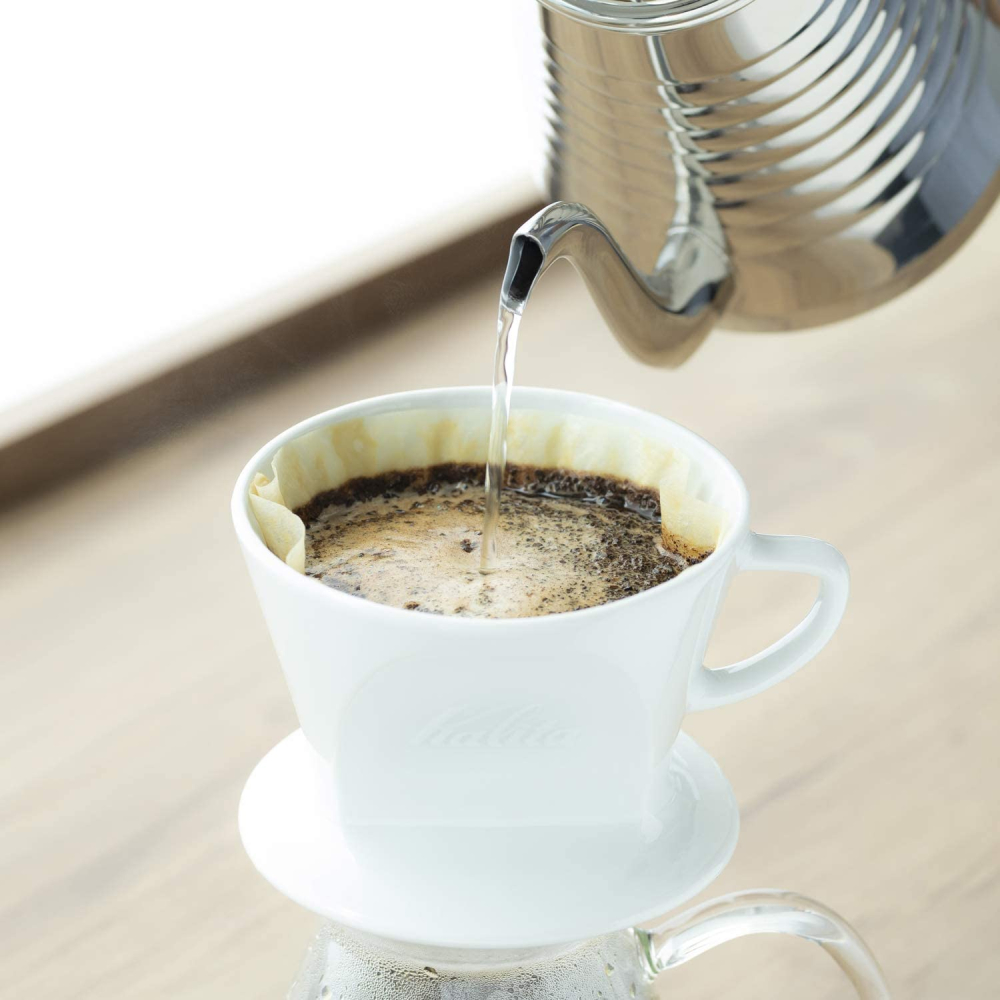
The biggest difference between a professional pour over kettle and an ordinary everyday kettle lies in "pouring controllability." Ordinary kettles are typically designed for quick pouring needs, with short spouts and large openings. The water flow is concentrated but difficult to stabilize in terms of speed and landing point. Especially during pour over brewing, unstable water flow can lead to uneven coffee extraction, affecting overall flavor complexity. In contrast, pour over kettles are specifically optimized for coffee brewing. Through finely designed spout curves and angles, they allow users to more precisely adjust the thickness, speed, and landing position of the water stream.
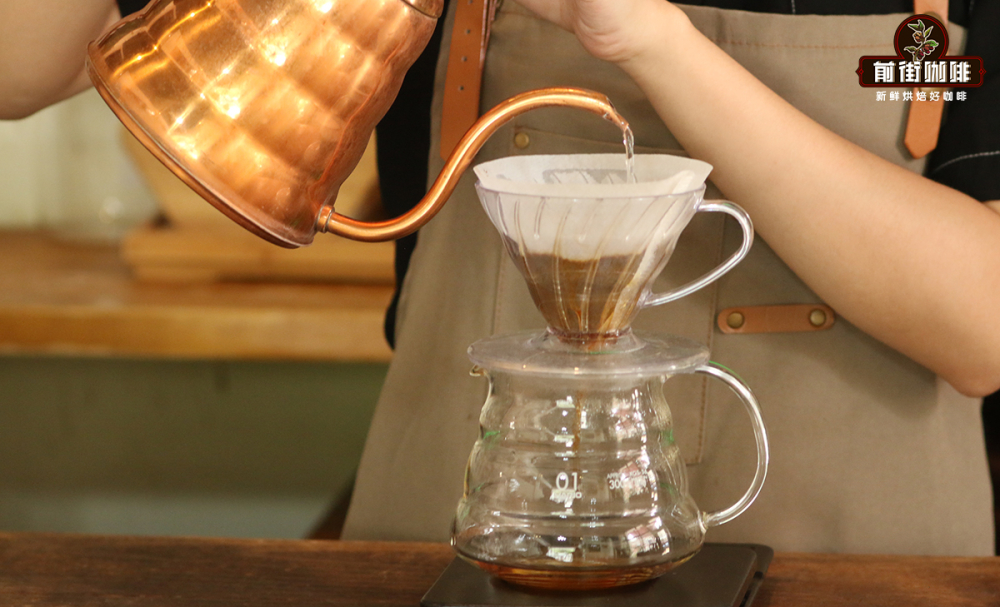
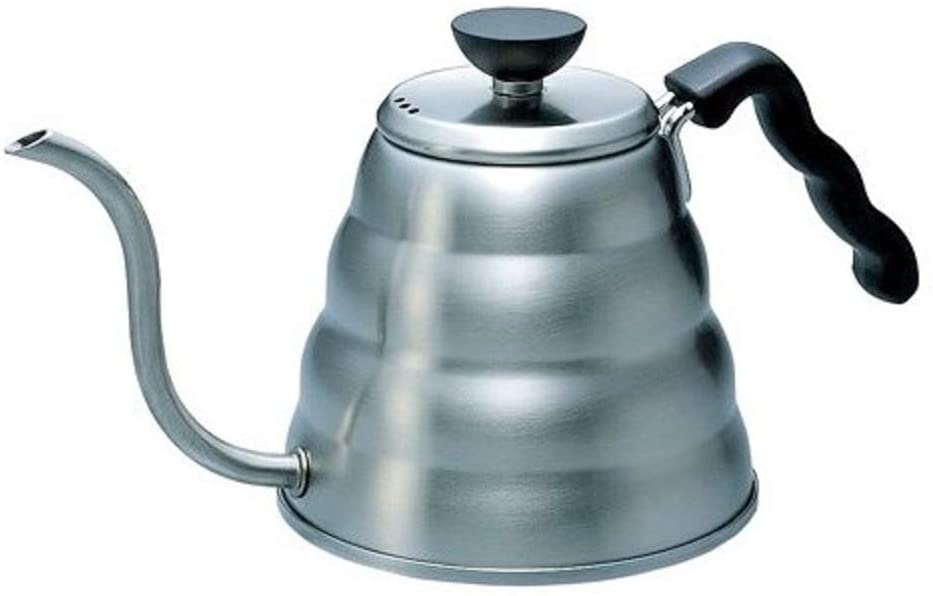
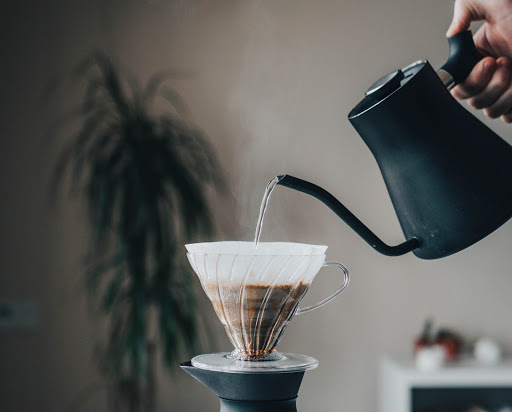
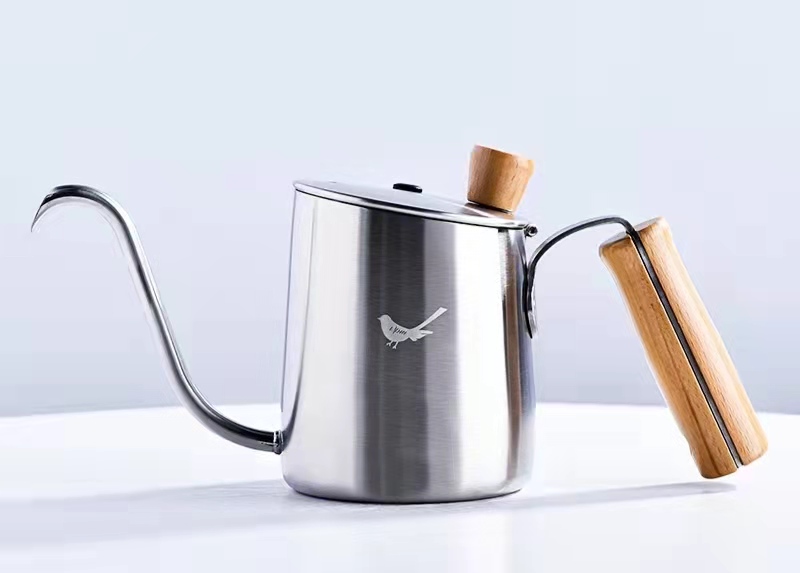
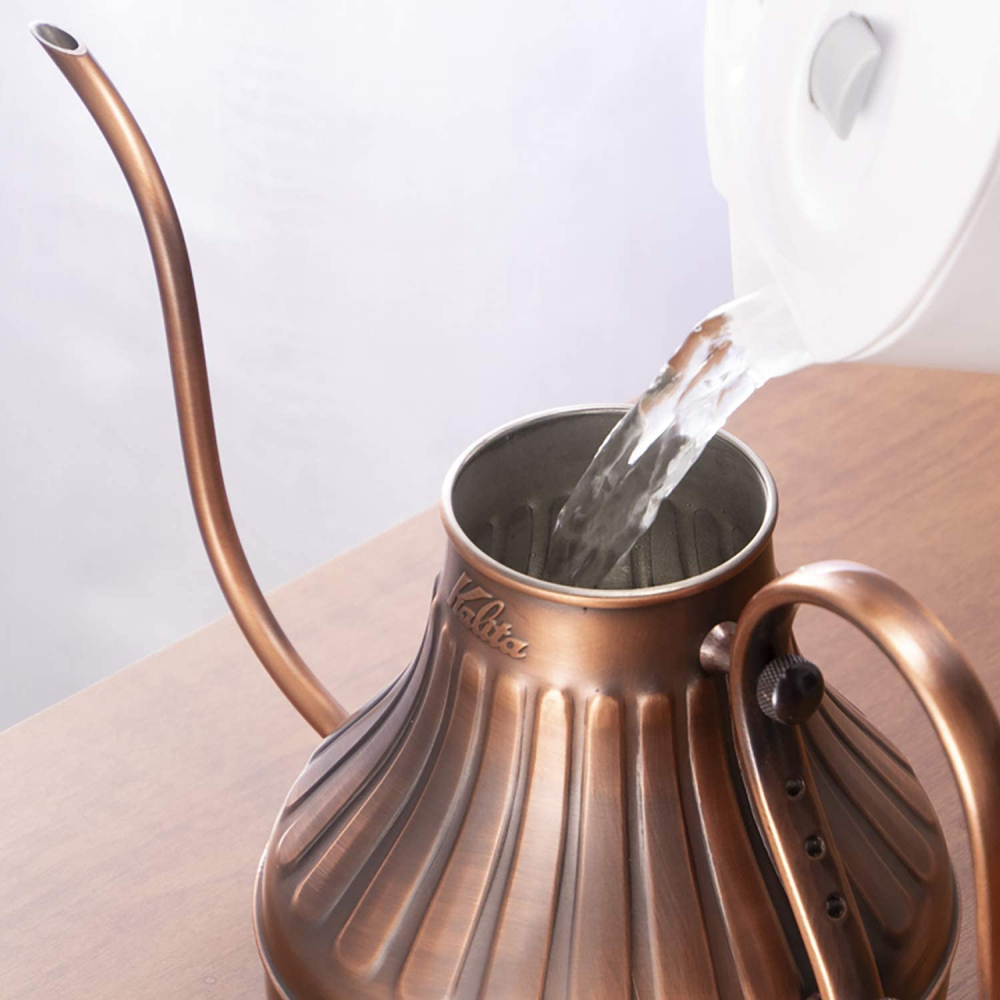
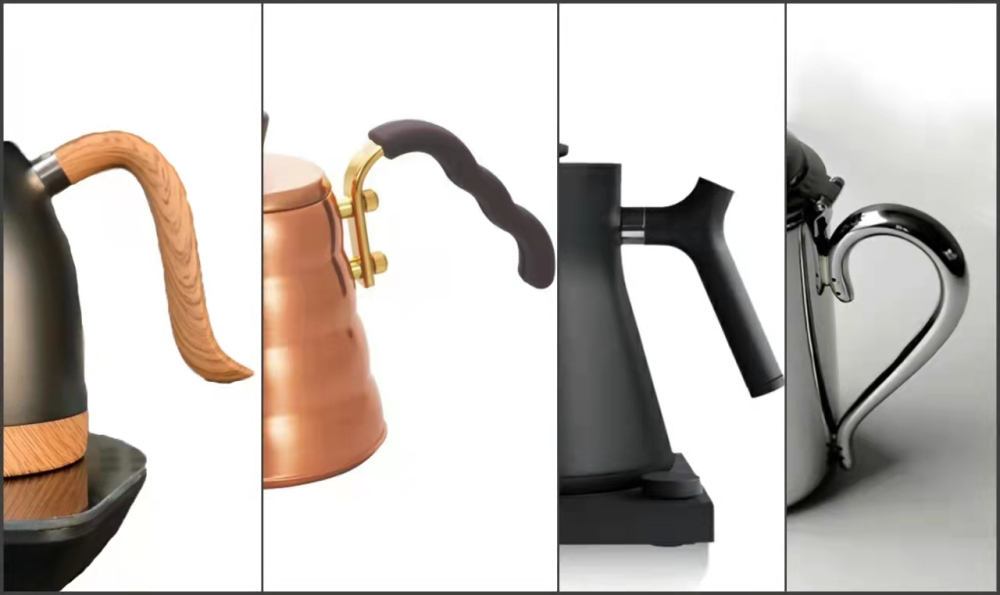
Observing the common types of pour over kettles on the market, they can generally be divided into several categories: slender spout kettles, wide spout kettles, and gooseneck kettles. Slender spout kettles, with their long and thin spouts, are suitable for scenarios requiring precise control of a small water stream, especially for brewing light roasted coffee beans. They can gently highlight acidity and floral-fruity aromas. However, they have a slightly higher learning curve for beginners and require practice to steadily control the pouring rhythm. Wide spout kettles have broader spouts with relatively soft and dispersed water flow, making them suitable for brewing medium to dark roasted coffee beans. They can steadily bring out a rich mouthfeel and caramel flavors, making them more beginner-friendly. Gooseneck kettles, with their unique curved spout design, offer better control over water flow direction and are often used by professional baristas to finely adjust the pouring trajectory, thereby evenly saturating the coffee grounds.
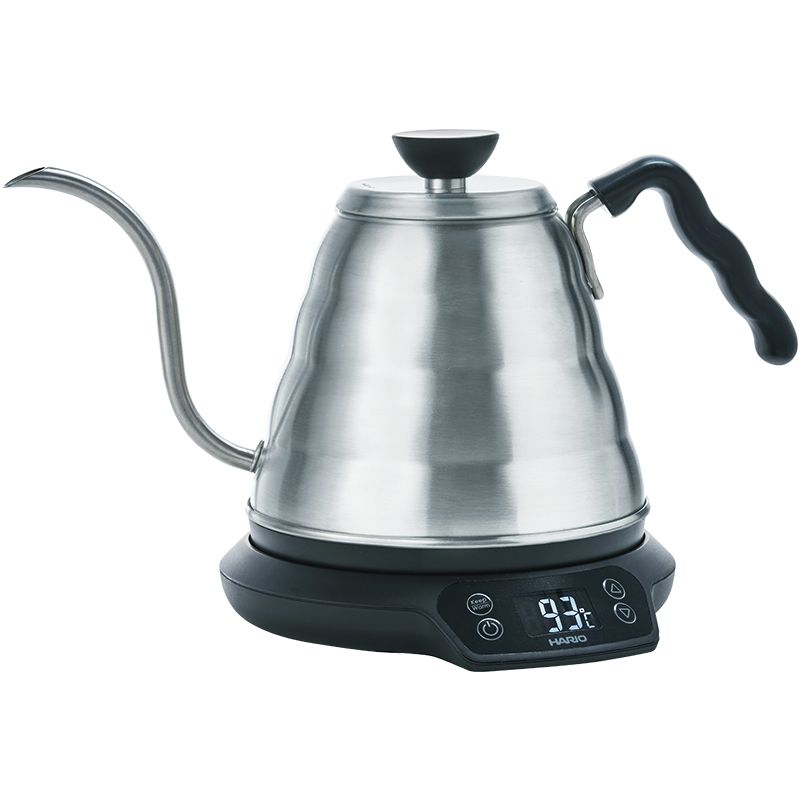
When selecting a pour over kettle, in addition to choosing the kettle type, spout length and angle are also important considerations. Generally speaking, a longer spout provides better control over pouring height, which helps adjust the impact force of the water stream. A spout angle that is slightly downward makes it easier to achieve a stable water flow. Additionally, the weight of the kettle body also affects the user experience. A slightly heavier body helps balance the water flow, but if it’s too heavy, it may increase fatigue during extended use.
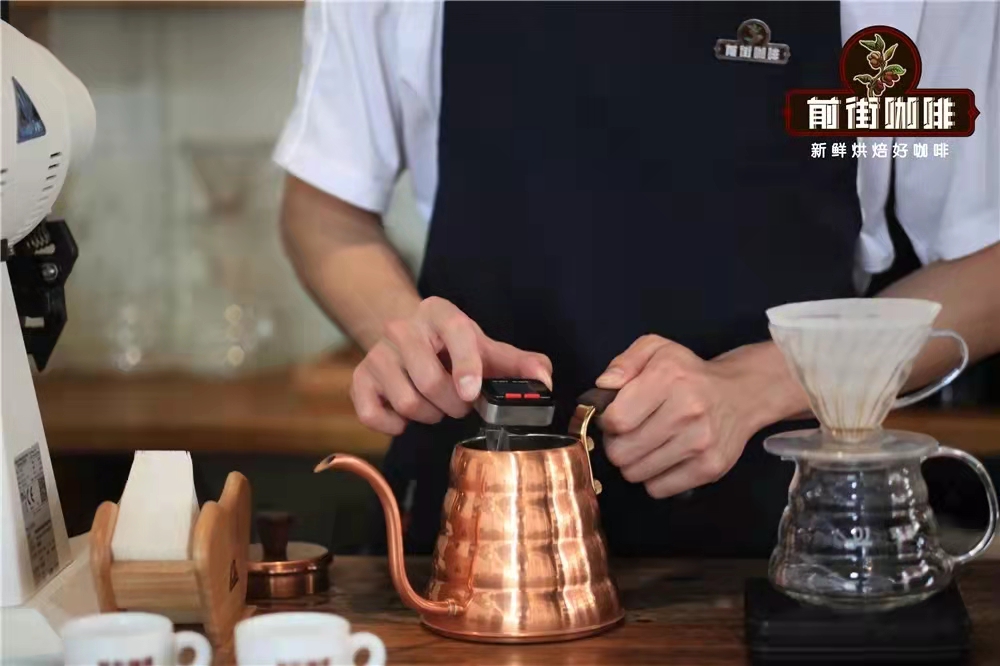
When actually using a pour over kettle, mastering the correct pouring technique is equally key. Beginners are advised to start with a low water column and slow flow rate, using subtle wrist movements to control the direction of the water flow. Ensure that the water flows vertically into the center of the coffee grounds, then gradually expand outward to form a uniform “spiral” or “concentric circle” pouring path. Pay attention to maintaining a steady pouring speed to avoid uneven extraction caused by inconsistent speed. In addition, controlling water temperature is also an important parameter affecting extraction. It is generally recommended to use water at 90–93°C for light roasted coffee beans, and slightly lower it to 88–91°C for medium to dark roasts, in order to fully bring out the unique flavors of coffee beans with different roast levels.
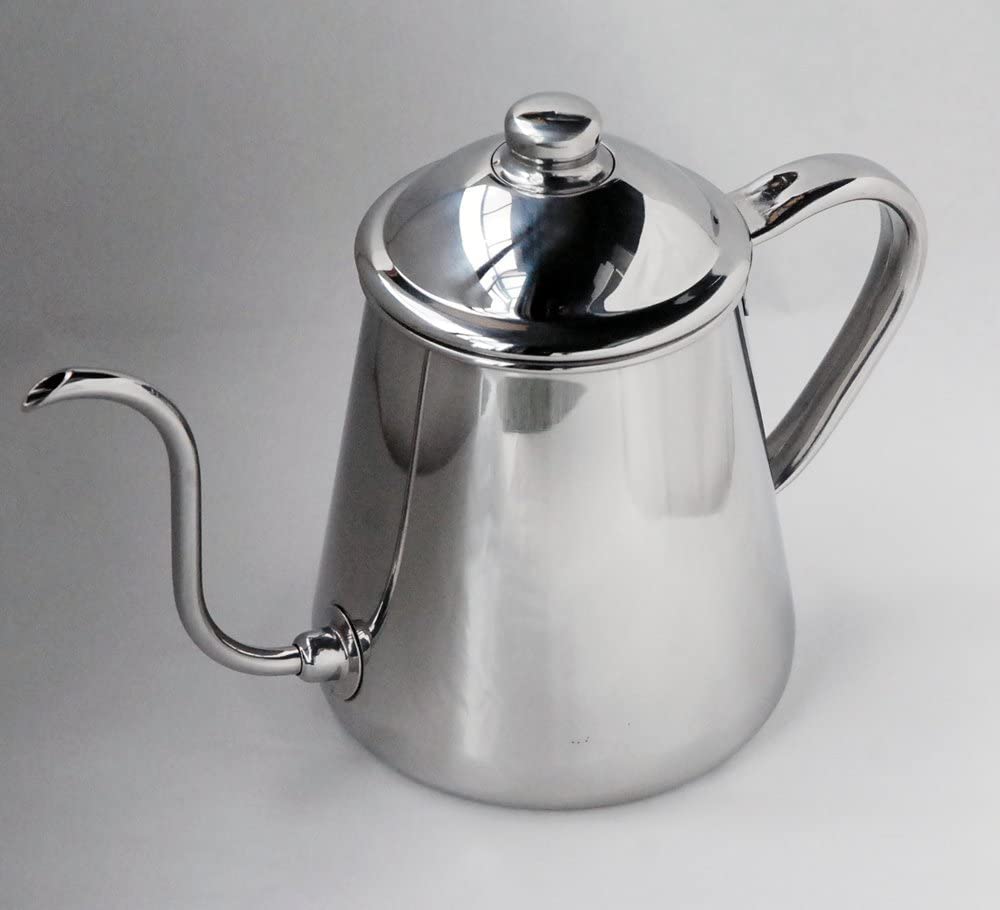
For beginners who are new to pour over coffee, if you haven’t yet decided on a preferred kettle type for long-term use, it is recommended to start with an entry-level pour over kettle that has a moderately sized spout and a comfortable grip. Practice stable pouring techniques to gradually familiarize yourself with water flow control. Once you’ve gained some experience, you can further choose a more suitable professional-grade pour over kettle based on your personal brewing habits and flavor preferences.
It is worth noting that regardless of the type of pour over kettle, regular cleaning and maintenance are key to maintaining optimal extraction performance. After use, promptly clean any residual coffee grounds and water stains inside the kettle to prevent mineral buildup that could affect water flow smoothness. The spout part can be gently cleaned with a soft-bristled brush. Do not use hard cleaning tools that might scratch the inner wall of the spout, as this could alter the water flow characteristics.
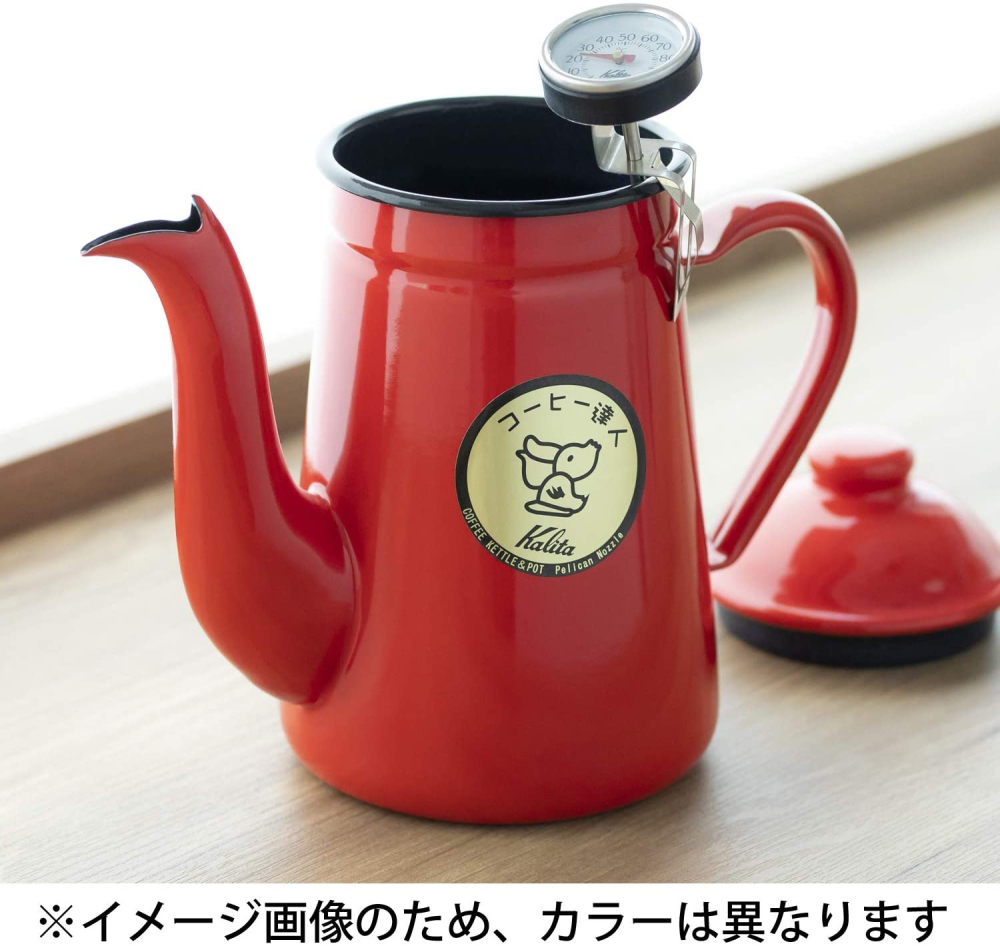
In summary, choosing a pour over kettle is not simply about pursuing appearance or brand, but should be based on your personal brewing style, coffee bean characteristics, and technical proficiency to select the most suitable kettle type and design. By understanding the pouring characteristics of different kettle types and combining them with stable operational techniques, you can fully unleash the unique charm of pour over coffee and present a rich and layered flavor profile.
Whether it’s the precise control of a slender spout kettle, the stable softness of a wide spout kettle, or the professional adjustment capability of a gooseneck kettle, each type of pour over kettle has its unique advantages and applicable scenarios. It is recommended that coffee enthusiasts refer to actual user reviews and professional advice when making a purchase, or even try holding the kettle in person, to find the pour over tool that truly suits them.
The charm of pour over coffee lies in revealing the original flavors and origin characteristics of coffee beans through a meticulous brewing process. And a well-designed pour over kettle is the key partner that helps you precisely control extraction parameters and present the ideal flavor. Through the in-depth analysis in this article, we hope to provide you with practical purchasing references and technical guidance for your pour over coffee journey.
Remember, there is no absolutely perfect kettle type for pour over coffee—only the tool that best suits your personal brewing habits. Continuous experimentation, practice, and adjustment are the keys to finding the optimal flavor solution in your pour over process.
Starting today, carefully choose a suitable pour over kettle and pair it with stable pouring techniques to begin your unique pour over coffee exploration journey.
Through precise water flow control and detailed adjustment of brewing parameters, pour over coffee can not only showcase the rich layers of coffee beans, but also allow you to experience the infinite possibilities of coffee flavors in every brew.
The above content is compiled by CoffeeHunters, a coffee news website.


