








Introduction:Have you ever admired the graceful figure of a barista brewing coffee elegantly in a sunlit café? However, the reality of this profession is far more challenging than imagined. This article delves into the actual day-to-day responsibilities of baristas in both chain and independent cafés, covering aspects such as skill requirements, daily tasks, customer interactions, and career development. Whether you’re considering joining the trade or are simply curious, it will help you gain practical insights into the hardships and potentials of this job.
Many people, influenced by movies or social media, assume that a barista’s life is always carefree—brewing pour overs leisurely in a coffee-scented space, crafting latte art with ease, and welcoming every customer. But in reality, the daily routine of a barista often looks very different from these romanticized images.

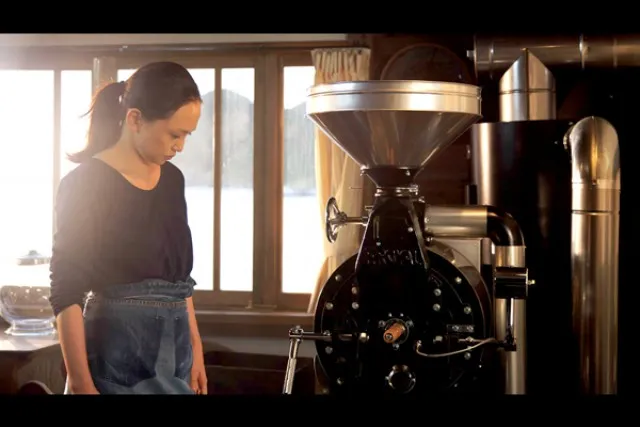
The café scenes depicted in films or on social platforms are often overly idealized: soft sunlight, a lazy jazz soundtrack in the background, baristas calmly operating equipment to create beautifully poured latte art, with an overall serene and hipster-like atmosphere. Yet, the real life of a barista is not just about making coffee.
Many baristas who have entered the industry admit that the job is not only physically demanding, but the salary is often lower than expected. “Being a barista is more of a lifestyle attitude; in reality, the income is limited, and you usually have to take on part-time jobs to make ends meet.” While such comments may sound harsh, they are a common sentiment within the industry.
So, what skills do baristas actually need, and what responsibilities do they shoulder? First and foremost, besides being proficient in operating espresso machines and pour over equipment, and mastering differentextraction parameterssuch as grind size, water temperature, and coffee-to-water ratio, they also face tedious cleaning and maintenance tasks, as well as inventory management. In some independent cafés, baristas may even be involved in store setup, counter planning, or even brand visual design, effectively wearing multiple hats.
Additionally, the types of customers baristas encounter can be wildly varied. Some customers are polite and courteous, quietly enjoying their coffee after placing an order—the ideal “angel” type. But there are also those with unusual requests or even no basic knowledge of coffee, such as asking for “warm pour over coffee,” ordering a latte without milk, or even inquiring, “Do you have toothpicks?”—requests that are both baffling and amusing.
As for the work environment, some cafés may seem relaxed, with staff casually scrolling through their phones. But in reality, it might be because the shop’s main income comes from e-commerce, or its operations are already at a breaking point. Most of the time, a barista’s duties go far beyond just brewing coffee—they also include cleaning the counter, greeting customers, handling takeaway orders, and in multi-concept cafés, even managing the service flow of light meals and desserts.
For baristas aiming for long-term development, technical skills alone are not enough. The industry generally agrees that continuous learning about coffee is essential—from understanding the origin characteristics of green beans, roast profiles, and flavor descriptions, to the details and common pitfalls of various brewing methods. Only then can they communicate accurate information to customers and enhance their professional image.
Many newcomers enter the profession out of a love for coffee, eager to brew and taste different flavors every day. Yet, when coffee becomes a repetitive daily task, without a deep passion for exploration, it’s easy to grow bored or even doubt one’s initial choice. Moreover, in reality, the best-selling items in many cafés may not be coffee but drinks like lemon tea—something the industry often jokes about.
The working models of chain cafés and independent cafés differ greatly. In the former, baristas often function like highly efficient “coffee robots,” quickly delivering orders according to standardized procedures. Though the pace is fast and autonomy is low, it helps develop strong customer service skills and stress resilience. In the latter, more flexibility and creativity may be required, and during busy times, non-coffee-related tasks might also need handling. But for those willing to learn and grow, greater opportunities for advancement within the industry can often be found.
In summary, the profession of a barista is anything but all romance and comfort—it is a journey full of challenges and learning. Whether you are considering joining the field or are just plain curious, understanding these practical details can help you make a more realistic judgment. Only with genuine passion and commitment can one walk this path steadily and sustainably.
The above content is compiled by CoffeeHunters, a coffee news website.


