







Introduction:Whether coffee beans appear oily on the surface is often a source of confusion—dark roasts tend to develop an oily sheen, while light roasts rarely do. However, oiliness doesn’t necessarily mean the beans are stale. Honey processed beans or special roasting methods can also lead to misjudgment. This article explores the roasting principles behind oiliness, differences in processing methods, and offers practical tips for avoiding bitterness when brewing pour over coffee, helping you adjust brewing parameters based on the bean’s condition.
Many coffee enthusiasts notice that some beans have a glossy, oily surface while others remain dry and matte when selecting or storing coffee beans. Is this oily phenomenon normal? Does it indicate the beans are past their prime? The key factor is actually closely related to roast level—dark roasts, due to high temperatures, allow oils to more easily migrate to the surface, whereas light roasts show this less frequently. But freshness shouldn’t be judged solely by oiliness. For example, the caramelized sugar crust of honey processed beans or unique anaerobic fermentation processes can create misleading appearances. Next, we’ll delve into the causes of oiliness and share how to adjust pour over parameters to avoid bitter flavors.
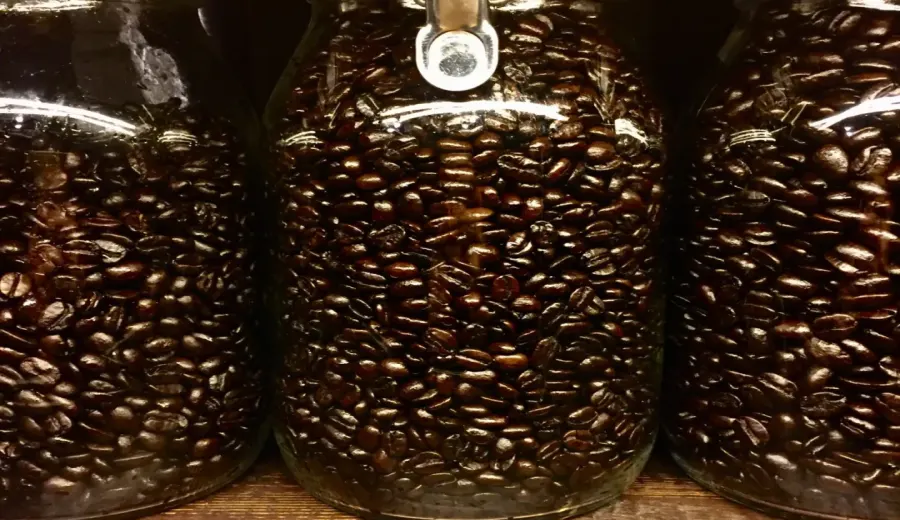
Observing commonly available coffee beans on the market, darker beans typically tend to become oily more easily than lighter brown ones. This is mainly due to differences in the amount of carbon dioxide produced during roasting: the darker the roast, the more carbon dioxide accumulates inside the bean.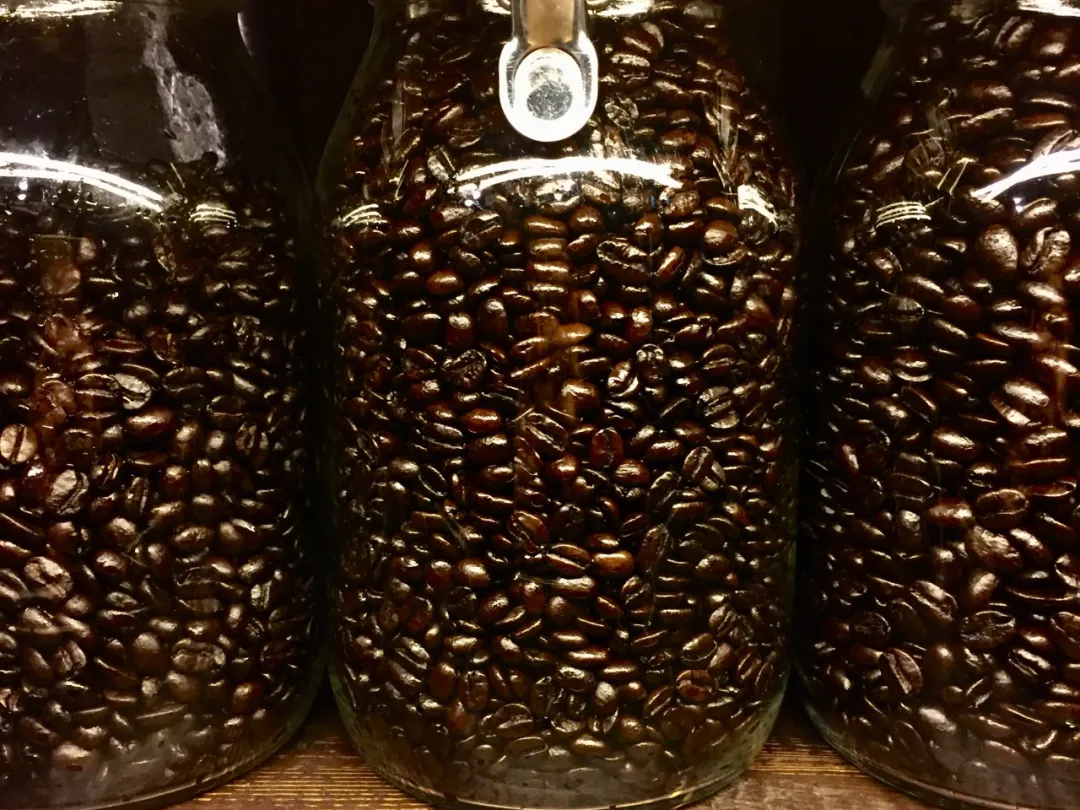 Generally speaking, 3 to 4 days after roasting, a large amount of carbon dioxide is released as the beans degas, carrying oils to the surface at the same time. The darker the roast, the more oil is released.
Looking back at early roasting methods where the second crack stage was used as the cue to finish roasting, the then-mainstream dark black "espresso roast" beans did not show obvious oiliness right after roasting. But about 1 to 2 days later, the oils quickly seeped out, giving the entire bean a shiny, oily appearance. The currently popular "Japanese-style dark roast" also mostly falls into this category. However, as roasting styles have evolved, extremely dark roasts are now less common on the market, so shiny, oily beans have also become rarer (only found in some well-known chain brands, specialty Italian roasters, or Japanese-style craft beans).
Based on actual roasting cases, only certain dark roasted bean varieties such as Indonesian Mandheling, Jamaican Blue Mountain, and some Italian-style blends will show a slight oily sheen after roasting. Other light or medium roasted bean varieties usually do not exhibit this phenomenon.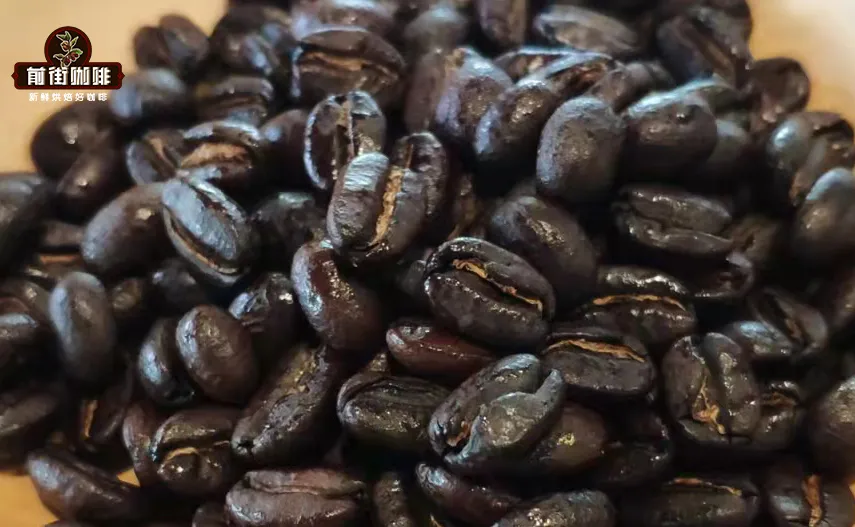 Some consumers have mentioned that Costa Rican beans also show slight oiliness, which is actually related to the honey processing method: this technique retains the pulp layer, and the mucilage at the center and ends of the beans is thicker. During roasting, the sugars undergo caramelization reactions, which may form a darker, reflective area along the center line, easily mistaken for oiliness.
So, does oily coffee beans mean they’re stale? Although beans that have been stored for a long time may release oils during degassing, bringing about “oily” off-flavors and causing a loss of flavor, this is not an absolute indicator. It’s worth noting that the definitions of light, medium, and medium-light roasts are inherently vague, and today’s processing methods are constantly evolving. For example, Huayueye coffee beans, after 4 to 7 days of resting, may show a small amount of oil seeping from the center line, but their flavor profile is sweet strawberry jam, rose, and liquor chocolate, with no unpleasant oily off-notes. Therefore, judging freshness solely by oiliness can easily lead to misjudgment. It’s better to rely on the expansion during blooming and the actual brewed flavor as indicators.
For pour over enthusiasts, if you encounter dark roasted beans with an oily surface, it’s recommended to adjust the grind size slightly finer (e.g., a bit finer than medium-fine), use water at 90 to 93°C, and shorten the blooming time to 20 to 25 seconds to avoid over-extraction and bitterness. If using light or medium roasted beans, even if they’re not oily, pay attention to the degassing during the resting period. It’s recommended to wait 3 to 5 days after roasting before brewing to achieve the best flavor balance. Regardless of whether the beans are oily or not, stable water temperature control and even pouring techniques are key to improving extraction quality.
The above content is compiled by CoffeeHunters, a coffee news website.


