







Introduction:Many coffee beginners often confuse Mandheling with espresso, assuming both are strong and bitter choices. In reality, Mandheling is a single-origin coffee bean, while espresso is an extraction method. The two can be perfectly blended to create a uniquely flavored SOE (Single Origin Espresso). This article will delve into the fundamental differences between Mandheling and espresso, explore the principles of extraction, and discuss the potential and flavor characteristics of Mandheling as an SOE, while also providing practical bean selection advice to help you find the coffee experience that best suits your taste buds.
Many people who are new to coffee often regard Mandheling and espresso as the same type of coffee simply because both have a strong bitter taste. However, in fact, Mandheling is a single-origin coffee bean, meaning it comes from a specific growing region and variety, whereas espresso is a coffee preparation method that emphasizes high-pressure, high-temperature extraction. When single-origin beans meet an espresso machine, the so-called SOE—Single Origin Espresso—is born. So, what makes an SOE made with Mandheling unique? Does its flavor suit your preferences? We’ll explore this by starting with definitions, flavor characteristics, and extraction principles to help you gain a deeper understanding.
First, understanding what Mandheling coffee is becomes key. Mandheling is a single-origin coffee, which means it comes from a single origin or even a single processing facility. The most notable characteristic of this type of coffee is its clear and regionally distinctive flavors, commonly featuring intense aromas, strong bitterness, and a full body, along with a distinct sweet aftertaste. Mandheling is usually processed with a dark roast, further highlighting the layered aromas of dark chocolate, spices, and nuts. Its acidity is mild, and the overall mouthfeel is rich, making it a favorite among those who prefer bold coffee.
As for espresso, it generally refers to coffee beverages extracted under high pressure using a semi-automatic espresso machine. The most typical form is espresso. This extraction method typically uses water at around 90.5–96°C and a pressure of 9 bar to quickly extract concentrated coffee liquid from finely ground coffee powder in just 20 to 30 seconds. The resulting volume is about 2 to 3 times the amount of coffee powder. This method gives the coffee a strong mouthfeel and rich crema (coffee oils), along with a noticeable aftertaste and unique aroma, serving as the base for many specialty coffee drinks such as lattes and cappuccinos.
At this point, you might wonder: since both Mandheling and espresso are so bitter, are they basically the same? Some might even think, can Mandheling be used directly to make espresso? The answer is yes. When we use single-origin coffee beans for espresso extraction, the product is called SOE (Single Origin Espresso), or Single Origin Espresso. If Mandheling is used as the base, it becomes Mandheling SOE. This coffee not only retains the original aromatic characteristics of Mandheling but also enhances its layers of dark chocolate, caramel, and spices through high-pressure extraction, resulting in a more concentrated and complex flavor.
Of course, the market for espresso options is no longer limited to traditional blends. More and more coffee enthusiasts are exploring single-origin SOEs to seek a more personalized coffee experience. For those who prefer the flavor profile of Mandheling, you can try Mandheling SOEs with different roast levels and processing methods based on your taste preferences, experiencing their diverse expressions ranging from deep roasted notes to bright fruit acidity.
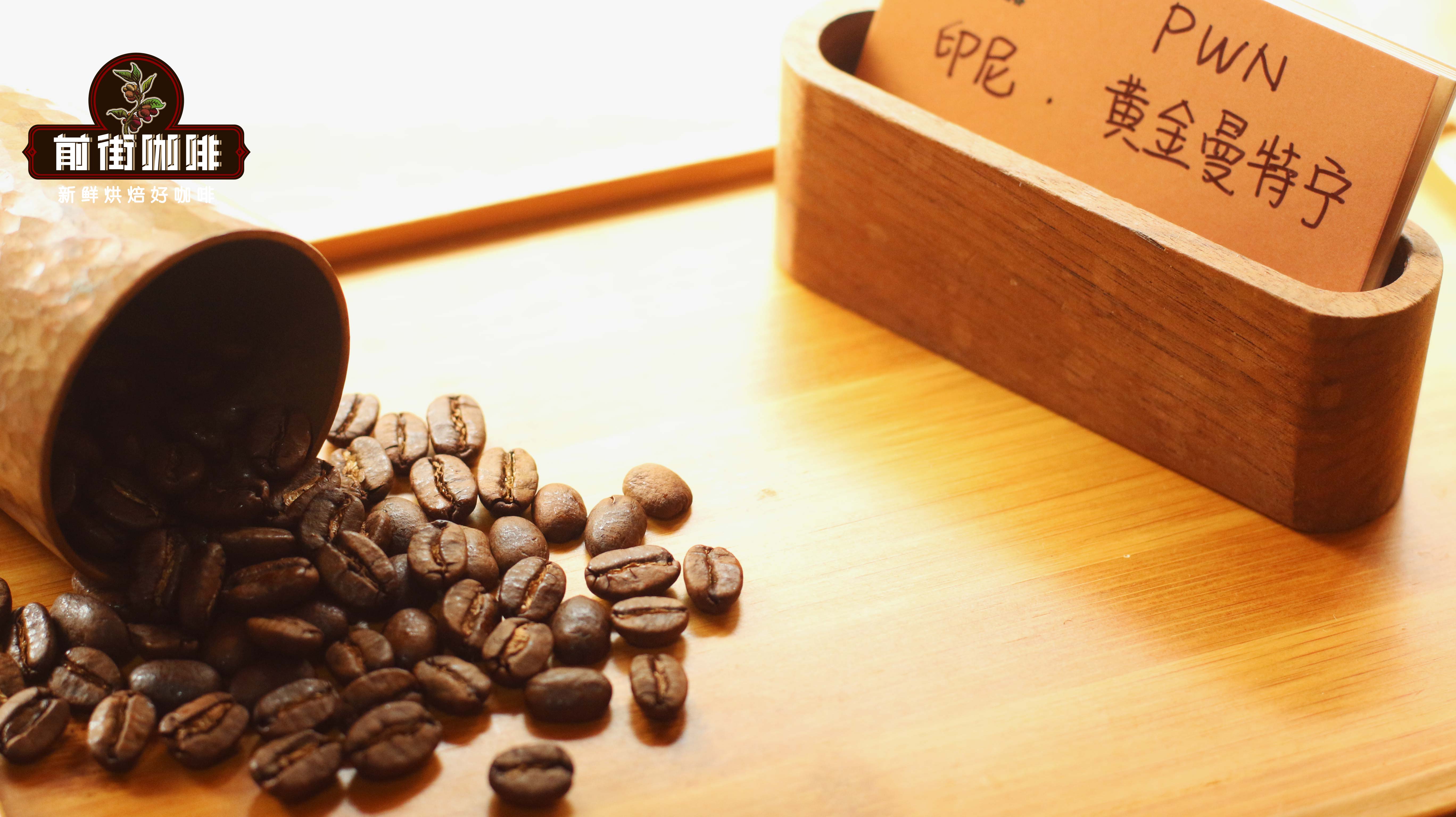
For readers who enjoy the flavor of Mandheling, here are several highly acclaimed Mandheling SOEs and related espresso bean options on the market, provided for coffee enthusiasts who want to learn more:
1. Mandheling SOE from the Lin Tong region of Sumatra, Indonesia, is typically dark roasted to highlight its caramel, spice, and nut aromas. Processed using the wet-hulled method, it offers a low-acidity, full-bodied, and richly creased mouthfeel, suitable for those who enjoy intense flavors and thick crema.These beans are recommended to be brewed with a medium-fine grind, using about 18–20 grams of coffee, with an extraction time controlled between 25–30 seconds to achieve the best balance.
2. Golden Mandheling SOE, having undergone strict defective bean screening—including multiple machine sorting and manual handpicking—results in beans of uniform size and high integrity, thus offering a cleaner flavor. It often features notes of licorice, dark chocolate, and cocoa, with a pronounced aftertaste and excellent body, suitable for those seeking high-quality single-origin flavors.It’s recommended to use a water temperature of 92–94°C for extraction to bring out its rich sweetness and spice layers.
3. If you prefer a more balanced mouthfeel and a fuller body, consider a classic blend of Mandheling and Brazilian beans. This formula, commonly seen in early Taiwanese cafes, combines the boldness of Mandheling with the sweetness of Brazilian beans, creating a foundational flavor suitable for lattes and milk coffees. It’s especially well-suited for home coffee brewing and latte art needs.
In summary, although both Mandheling and espresso feature intense flavor profiles, their essences are fundamentally different. Mandheling, as a single-origin coffee bean, possesses distinct regional flavors and aromatic characteristics, while espresso is a preparation method that emphasizes extraction techniques and concentrated flavor. When Mandheling becomes an SOE, it not only retains its original traits but also showcases richer layers and intensity through high-pressure extraction. Whether you’re a coffee novice or an enthusiast seeking new flavors, you can start with Mandheling SOE to explore the endless possibilities of single-origin coffee.
The above content is compiled by CoffeeHunters, a coffee news website.


