







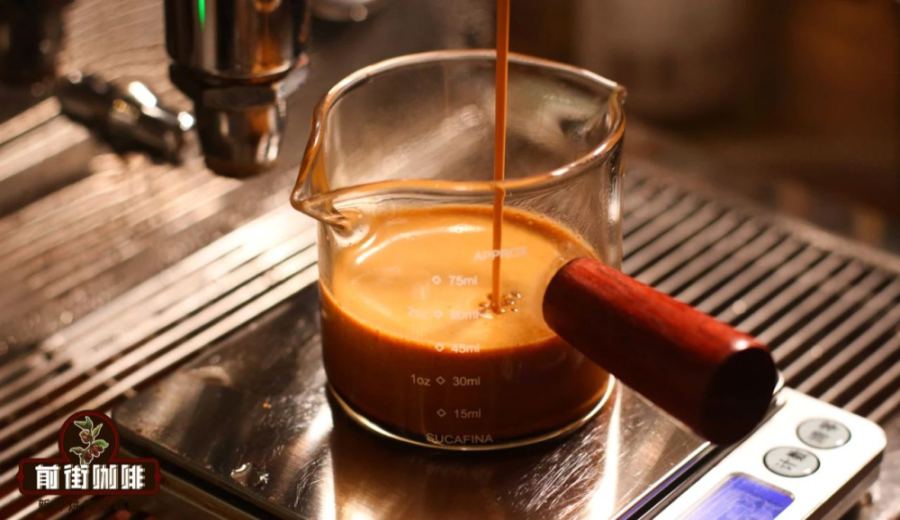
Introduction:Have you ever extracted an espresso with a smooth surface devoid of crema, and found the flavor greatly diminished? The rich golden crema is not only the hallmark of a good espresso, but also key to its flavor and mouthfeel. This article delves into five common theoretical and operational mistakes—including coffee bean roast level, freshness, extraction pressure, grind size, and water temperature control—and provides practical parameter suggestions to help you identify the root cause and adjust your technique to achieve a perfect shot with thick, velvety crema and a well-rounded flavor.
A shot of espresso brimming with crema is the ideal beverage many coffee lovers aspire to. Yet when you eagerly operate your machine, only to find that your shot has no trace of that captivating golden layer, confusion and disappointment are inevitable. In truth, the amount and quality of crema are closely tied to several critical factors.
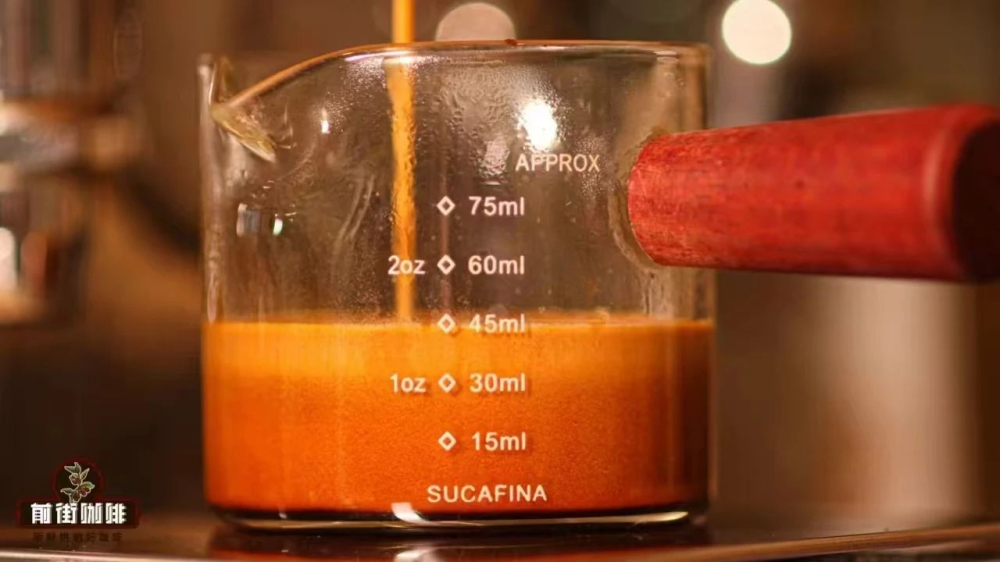
A normal espresso should have a golden crema covering about one-third of the surface of the dark coffee liquid. When gently shaken, this crema exhibits a buttery fine texture and shows clear clinging properties. Once the crema disappears, it often indicates that something went wrong during the extraction process—whether it’s the choice of coffee beans, their storage condition, the performance of your machine, or even the extraction parameters.
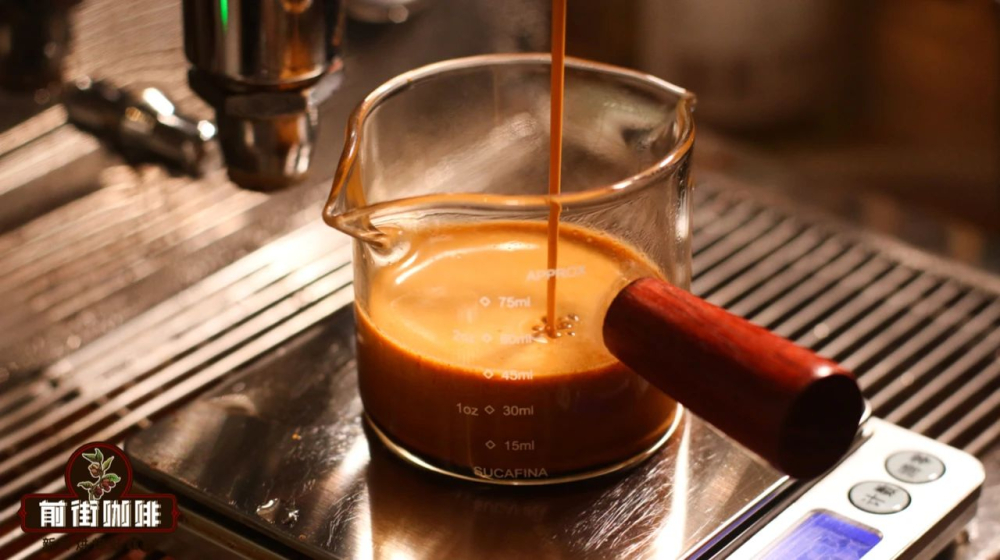
Below, we’ll explore the five most common causes, helping you systematically troubleshoot the issue while providing practical adjustment suggestions, so you can gradually master the secrets to pulling rich-crema, flavorful espresso shots.
1. Coffee Bean Roast Level Too Light
Commercially available coffee beans are generally divided into light roast beans suitable for pour over brewing, and medium to dark roast blends mainly used for espresso machines. The former are mostly single-origin beans with bright, fresh flavors but relatively light roast levels; the latter are often blends or single-origin SOEs with darker roasts that better bring out rich crema.
Espresso made from light roast beans usually produces a thinner crema, with a pale white or light yellow color and poor stability. If you’re aiming for a shot with thick crema and intense flavor, it’s recommended to choose medium to dark roast blends specifically designed for espresso machines. For example, combining the richness of Mandheling, the smoothness of Brazilian beans, and the dense crema-producing quality of Robusta can create complex flavors like butter, toasted bread, chocolate cookies, and caramel. Not only does this offer a layered taste experience, but even beginners can easily pull beautiful latte art.
2. Coffee Beans Are Not Fresh
Even if you’ve chosen the correct roast level, using beans that aren’t fresh enough can still severely impact crema production. Especially for espresso, bean freshness is highly sensitive. Freshly roasted beans contain high levels of carbon dioxide right after roasting. Using them immediately may result in an unstable crema with lots of bubbles that dissipate quickly.
It’s generally recommended to let espresso beans degas for about 7 to 10 days after roasting, allowing internal gases to gradually release before extraction stabilizes. The optimal period for both flavor and crema performance is typically between 30 to 60 days post-roast. After two months, aroma and crema both noticeably decline, unless special packaging such as nitrogen flushing is used (not tested in this case). Therefore, it’s advisable to buy beans in appropriate quantities and pay attention to storage conditions to prevent premature oxidation.
3. Insufficient Coffee Machine Pressure
Among many home espresso machines, unstable pressure is a common issue. To extract thick crema, the machine needs to provide a stable 9-bar extraction pressure to effectively press out the essential substances and gases from the coffee puck, forming a dense crema.
If you’re using a small or entry-level home machine, it might not be able to reach 9 bar, making it naturally difficult to produce rich crema. It’s recommended to check your machine’s specifications or consider upgrading to equipment capable of consistently delivering 9-bar pressure to ensure extraction quality.
4. Incorrect Coffee Grind Size
Grind size is another crucial factor affecting crema. If the grind is too coarse, water will pass through the coffee grounds too quickly, not only resulting in a short extraction time but also causing channeling—where some areas are over-extracted while others are under-extracted. This leads to pale, thin crema and an overall dull flavor in the espresso.
A simple way to judge is by observing extraction time and flow rate. It’s generally recommended that a double shot (about 18–20 grams of coffee) be extracted within 20 to 30 seconds. If the extraction finishes in under 20 seconds, it’s very likely the grind is too coarse—you should adjust to a finer grind to extend extraction time and improve crema performance.
5. Water Temperature Too Low or Machine Not Properly Preheated
Water temperature is equally vital for crema formation. It’s generally recommended to maintain a hot water temperature of around 93°C for extracting espresso. If the water temperature is too low, it suppresses the release of aromatic compounds and oils from the coffee, resulting in a thin extraction with significantly less crema.
Additionally, some home espresso machines require 10 minutes or more to heat up after being turned on. Starting extraction before the machine has reached a stable operating temperature may also lead to insufficient water temperature, negatively affecting crema formation and making the coffee taste overly sour. It’s recommended to ensure the machine is fully preheated before each extraction, or use a model with stable temperature control features to achieve the best extraction results.
The above content is compiled by CoffeeHunters, a coffee news website.


