







Introduction:After acquiring Teavana in 2012, Starbucks attempted to break through in the tea beverage market. From setbacks in its U.S. specialty stores to adjustments in the Chinese market, it eventually found success in Japan with the launch of Starbucks Tea & Cafe. This article delves into the evolution of Starbucks’ tea beverage strategy, explores the logic behind its market adjustments, and examines how it tailored products and positioning according to regional consumer preferences.
Following its acquisition of the Teavana tea brand in 2012, Starbucks actively explored business opportunities in the tea beverage market, hoping to develop new growth points beyond coffee. From launching Teavana Tea Bars in North America, to the strong sales of tea beverages in the Chinese market, to the introduction of Starbucks Tea & Cafe in Japan—combining tea drinks with a small selection of coffee—Starbucks continuously adjusted its strategy, eventually finding a suitable direction for development in the tea sector.
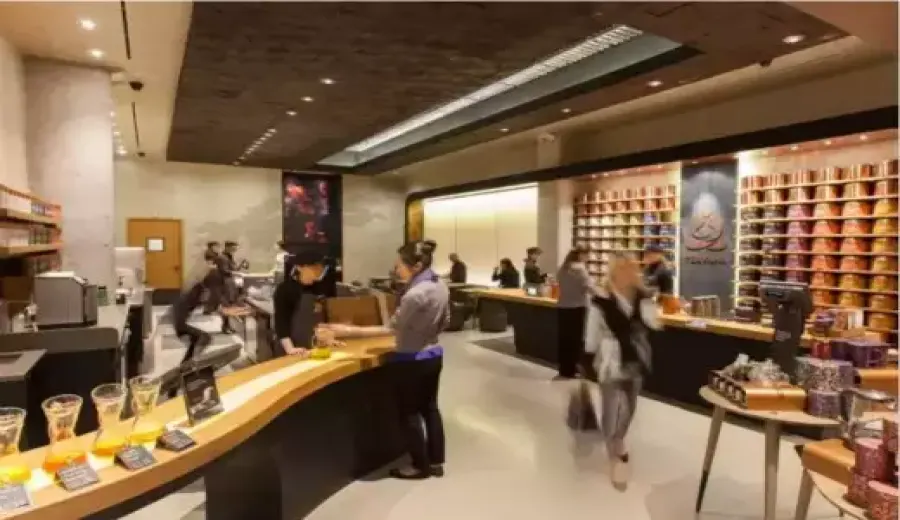
As early as 2013, Starbucks tested the waters with four “Teavana Tea Bars” in the U.S. that served only tea beverages. These stores did not sell any coffee products, focusing instead on traditional and creative teas, along with light food options. The in-store ambiance was designed to be more comfortable and tranquil than a typical Starbucks, but the prices were relatively high. However, due to the general lack of tea-drinking culture among American consumers and the relatively high pricing of the tea beverages, these specialty stores were gradually closed or converted into coffee shops around 2016.
Although it did not succeed in the North American market, Starbucks did not give up on its tea beverage business. Subsequently, it observed that Chinese consumers showed strong interest in the Teavana series of tea beverages, including iced shaken teas, tea-flavored Frappuccinos, and tea bag products—so much so that in some stores, tea beverage sales even surpassed those of coffee. As a result, Starbucks had planned to introduce the Teavana Tea Bar model to China in 2016, but the plan ultimately failed to materialize due to the rapid rise of new-style tea beverage brands in China at the time.
Faced with fierce competition in the Chinese market, Starbucks turned to the Japanese market for a breakthrough. Japanese consumers already have a deep affinity for tea beverages, and younger demographics are highly receptive to new types of drinks. However, to avoid repeating the mistake of alienating consumers by offering only tea, Starbucks launched Starbucks Tea & Cafe in 2020. In addition to a range of specialty tea beverages, it retained a small selection of coffee options, while also setting more affordable prices for the tea drinks.
In the Japanese market, Starbucks conducted in-depth research on the taste preferences of local young consumers and introduced a variety of innovative tea beverages, such asYuzu Citrus Lavender Sage Tea Frappuccino,Strawberry Passion Fruit Tea,Wasanbon Matcha Latte, andJapanese Brown Sugar Tea Latte. These drinks not only catered to Japanese consumers’ preference for layered flavors and natural spices, but also featured transparent cups to enhance visual appeal, making them highly photogenic and shareable.
Initially, Starbucks Tea & Cafe only opened three stores in the Kanto region, generating anticipation among consumers in the Kansai region. To meet market demand, Starbucks opened a fourth Starbucks Tea & Cafeon February 25, 2022, in Osaka, further expanding its presence in the tea beverage market.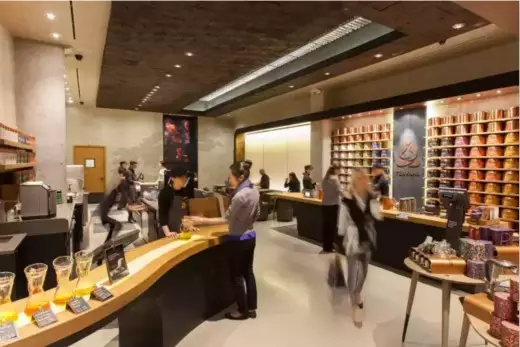
Looking back at Starbucks’ exploration in the tea beverage field, although the initial Teavana Tea Bars in the U.S. were not successful, the brand eventually found a suitable development model in the Japanese market through continuous adjustments to its product mix, pricing strategy, and market positioning. This process demonstrates that even a globally recognized coffee brand like Starbucks must flexibly adapt its strategy when facing different market cultures and consumer habits in order to establish a foothold in new domains.
The story of Starbucks’ tea beverage development is not only an attempt at brand diversification, but also a reflection of its deep understanding of and response to consumer behavior across global markets. For businesses in the coffee and tea beverage industries, this series of strategic adjustments and market feedback offers valuable insights.
The above content is compiled by CoffeeHunters, a coffee news website.


