







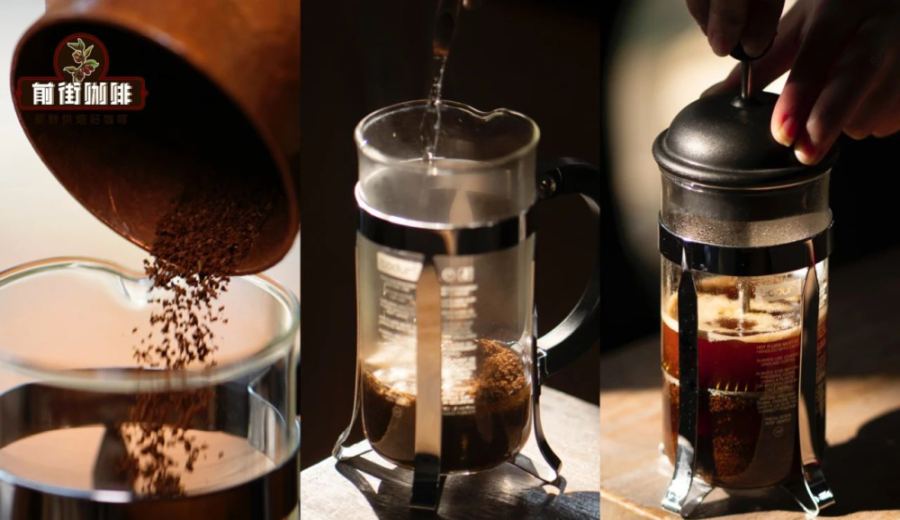
Introduction:The French press, known for its simple operation and rich flavor, has become the go-to brewing device for many coffee beginners. This article takes an in-depth look at the extraction principles of the French press, the types of beans that suit it best, and the standard brewing process — including key parameters such as coffee-to-water ratio, water temperature, grind size, and steeping time. It also explores whether the French press can be reused and how to maintain consistent extraction quality. The article further explains aspects such as crema release and the characteristics of the device to help you master a cup of rich and smooth French press coffee.
The French press (also called a coffee plunger or simply French press) is a coffee brewing device with a simple structure but great expressive potential. Its history dates back to around 1850 in France. The basic design consists of a heat-resistant glass (or transparent plastic) carafe paired with a plunger fitted with a metal filter. Initially, it was mostly used for brewing black tea, which is why it’s also nicknamed a “tea infuser.”
The popularity of this device mainly stems from its intuitive operation — it doesn’t require precise control of water flow yet can achieve extraction results close to those of professional cupping. The French press fully highlights the oils, aromas, and multi-layered flavors in coffee, delivering a smooth, sweet, and full-bodied taste, making it a staple brewing tool for many coffee enthusiasts.
However, although simple to use, the French press does have certain requirements for the quality and freshness of coffee beans. As a full immersion brewing method, coffee grounds are in contact with hot water for a long time, which can easily amplify any flaws or defects. Therefore, it is recommended to use freshly roasted, high-quality, and stable beans to fully experience its charm.
At the same time, the French press is also excellent for achieving consistent extraction results. As long as you use the same device, coffee beans, water temperature, coffee-to-water ratio, and steeping time, even different people can brew coffee with similar flavors. This is an advantage that is hard to achieve with pour over or siphon brewing, especially beneficial for beginners seeking a stable start.
Next, let’s delve into the brewing principles and standard operation procedures of the French press. First, because the French press uses immersion brewing, the contact time between coffee grounds and hot water is relatively long. It is generally recommended to use medium or medium-dark roasted beans. While light roast beans may have brighter flavors, prolonged soaking tends to release excessive acidity, which can mask the intended floral, fruity notes and delicate layers.
Medium-roasted beans typically offer a balanced acidity and sweetness and are more likely to express mellow flavors like caramel, nuts, and chocolate — making them the best match for the French press.If you prefer slightly more pronounced fruitiness, you can opt for medium-roast single-origin beans with more prominent fruity notes.If you want to reduce acidity and enhance body, consider medium-dark roast beans, such as representative medium-dark roast varieties.
In terms of brewing parameters, when using a two-cup French press, it is recommended to control the coffee-to-water ratio between1:14 and 1:18. Adjust flexibly based on personal taste preferences and bean characteristics. Some French presses come with measurement markings for easy pouring; if yours doesn’t, it’s advisable to use an electronic scale to assist with measurement. Note that for presses with markings, it’s better to pour hot water first and then add coffee grounds to accurately control the coffee-to-water ratio.
Regarding grind size, the grind for a French press should be roughly similar to that of brown sugar, falling under the category ofcoarse grind. This is because the metal filter of the French press has a relatively low density. If the coffee grounds are too fine, it can lead to over-extraction, and fine particles may also pass through the filter into your drink, affecting the taste. Therefore, maintaining a uniform and coarse grind is key to ensuring smooth extraction.
The standard brewing steps are as follows:
1. Use freshly roasted coffee beans. For a two-cup brew, it is recommended to start with about 20 grams as a baseline.
2. Water temperature is recommended to be between85 and 95°C. For lighter roasts, a higher temperature can help bring out aroma, while for darker roasts, a slightly lower temperature can reduce bitterness. Adjust according to personal preference.
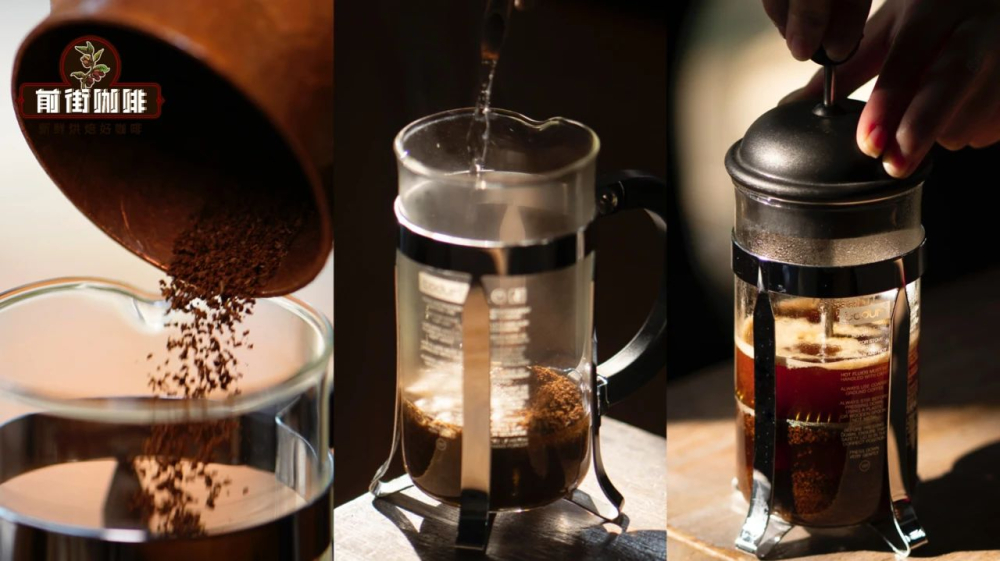
3. Pour the ground coffee into the preheated French press.
4. Begin pouring water. It is recommended to pour in a circular motion using a pour over kettle to ensure all coffee grounds are evenly saturated.
5. For the initial pour, it is suggested to add about 300 grams of hot water, which equates to a coffee-to-water ratio of approximately 1:15. You can adjust within the range of 1:14 to 1:18 based on taste.
6. Gently stir the coffee grounds and water to promote even extraction.
7. Place the lid on the press, butdo not press the filter down immediately. Let it steep for about 4 minutes. This duration can be adjusted slightly based on your preferred strength, but avoid going too short or too long.
8. Once the time is up, slowly press the filter down to the bottom of the press. Be sure to do so smoothly and avoid using excessive force, which could push fine particles through the filter and affect the taste.
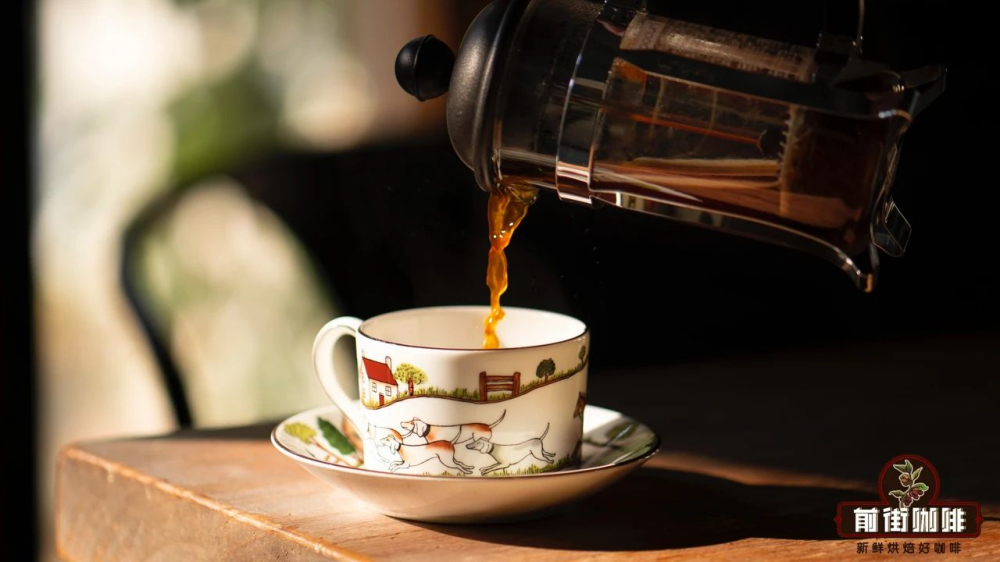
9. Finally, pour the coffee out slowly. Avoid vigorous shaking, which might resuspend settled coffee grounds at the bottom and impact the overall flavor.
10. Now you can enjoy a cup of rich and aromatic French press coffee.
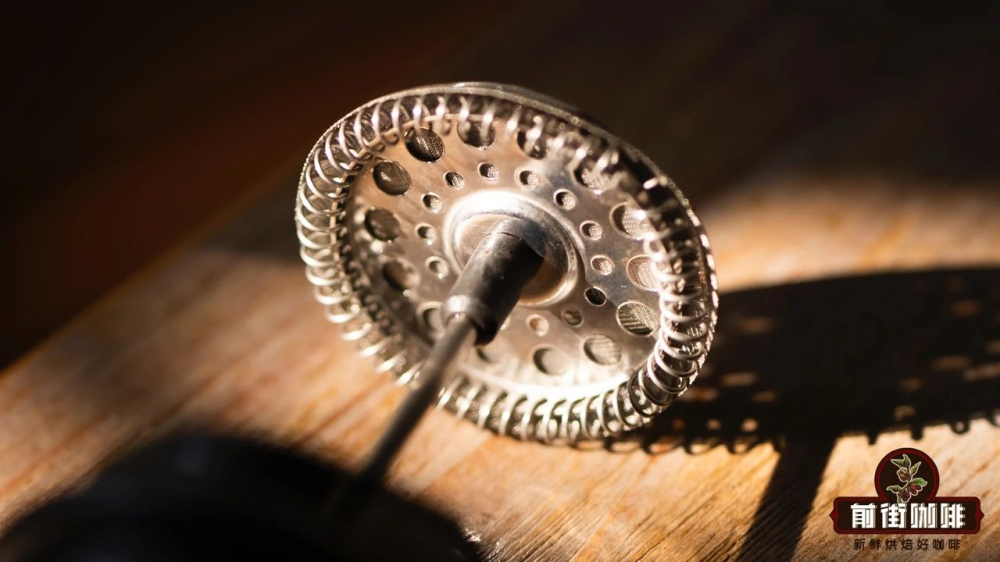
As for a question many people care about: How much crema does French press coffee have? The answer is that its crema release is between that of pour over and espresso, consideredmoderately high. This is thanks to the metal filter allowing some of the micro-oils to pass through, resulting in a smoother and fuller mouthfeel, though not as concentrated and intense as that from espresso machine filters.
Finally, regarding the common question “Can you brew French press coffee multiple times?”, the short answer is:It is not recommended to reuse the same batch of coffee grounds for multiple brews. The first infusion already extracts most of the soluble flavor compounds. Subsequent infusions will only yield weak, one-dimensional liquid that may also carry off-flavors from over-extraction. If you’re looking to maximize the number of brews, it’s better to use devices designed for multiple extractions, such as a siphon (Siphon), or adjust your pour over technique accordingly — rather than relying on repeated use of a single French press brew.
In summary, the French press is an easy-to-use yet highly capable coffee brewing tool. By mastering the right coffee-to-water ratio, water temperature, grind size, and steeping time, you can consistently brew a delicious cup of coffee with full flavor and appropriate crema. Why not start today and experience the unique charm of the French press for yourself by following the steps above?
The above content is compiled by CoffeeHunters, a coffee news website.


