








Introduction:Did you know? Smoky flavors in coffee aren't necessarily a flaw—when handled properly, they can become an intriguing highlight of flavor. This article delves into an innovative project where Hokkaido University in Japan collaborated with local coffee shops to infuse coffee beans with woody smokiness using century-old timber from demolished campus buildings. From wood selection and roasting techniques to suitable origin beans, we explore the craftsmanship and flavor secrets behind this unique smoked coffee.
In most cases, smoky notes in coffee are considered roasting defects, often resulting from insufficient cooling or smoke backflow that causes burnt flavors to cling to the beans. But when professionally controlled, such smoky flavors not only become a signature trait but also add deep and captivating complexity. Especially in dark roasts, certain Central American origins like Guatemala, or through specific wood-smoking processes, smoky flavors can be a positive sensory experience.
Recently, Hokkaido University in Japan partnered with a well-known local café in Sapporo, Ritaru Coffee, on a highly creative initiative: repurposing century-old trees felled during the demolition of old campus buildings. After proper drying, these trees were used as fuel to smoke the coffee beans. The woods included locust, ginkgo, and oak, some over a hundred years old, which were originally destined for disposal due to being unsuitable for furniture or crafts.
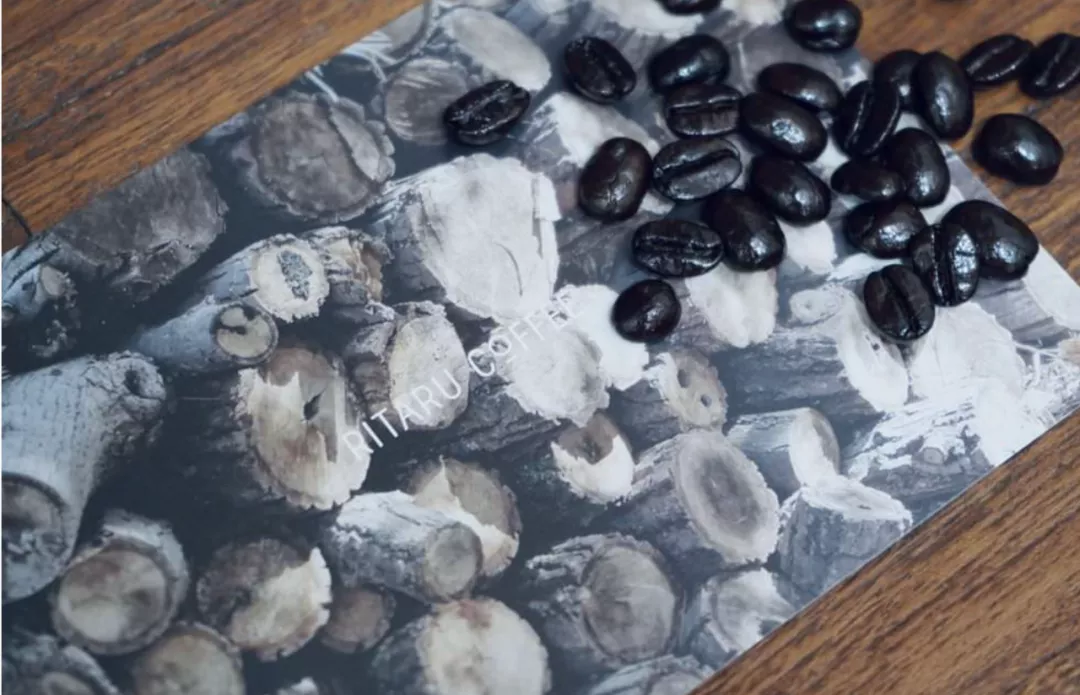
The roaster in charge of the project explained that each type of wood has its own distinct smoky characteristics, influenced significantly by factors such as tree species, wood moisture content, season of felling, thickness of the timber, and burning temperature. For example, oak imparts a rich sweetness with subtle spicy notes, while ginkgo wood may offer gentle herbal and woody tones. These nuanced differences ultimately translate into unique flavor expressions in the coffee.
However, the process of smoking with wood is full of challenges. Roasters must repeatedly test and adjust to ensure the smoke released during combustion is just right. If the wood is too moist or too much is added at once, excessive smoke can be produced, causing the coffee to absorb overly smoky off-flavors, leading to unpleasant harshness or a burnt aftertaste. Thus, each smoking experiment is a process of trial and error—only when the wood emits stable and mild aromas is it officially used for treating the beans.
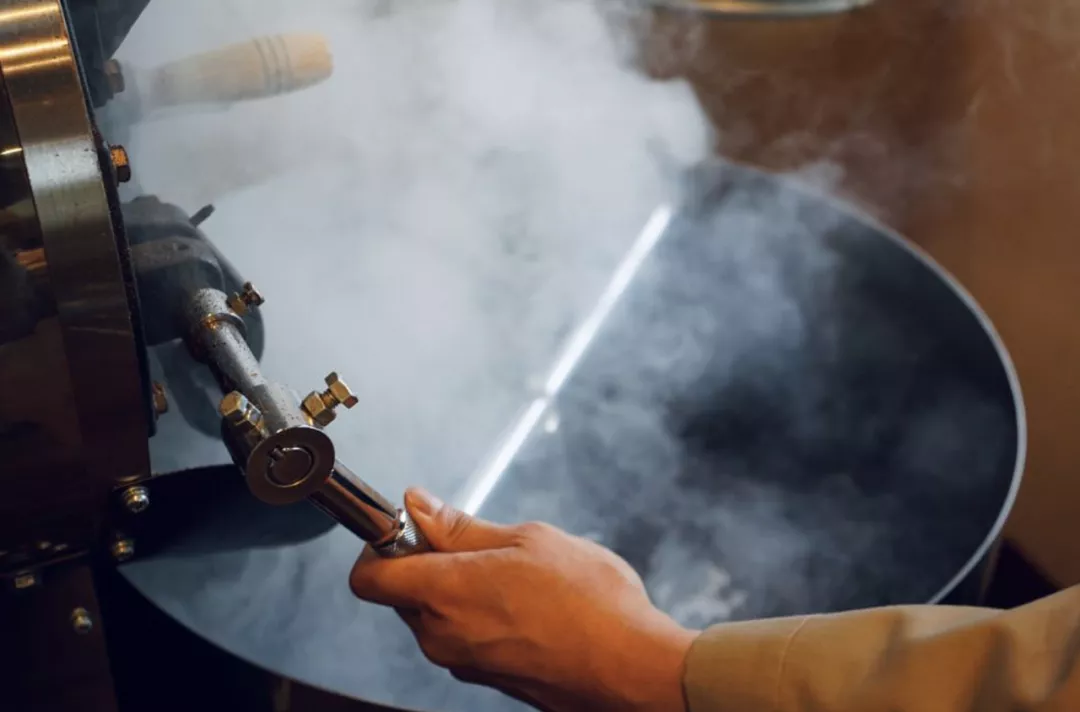
As for the beans chosen for smoking, Guatemalan and Tanzanian varieties are primarily used. These origins inherently possess certain smoky or nutty characteristics that harmonize well with the woody smoke, avoiding any jarring dissonance. Sometimes, other origin beans are selected based on the special aromas emitted by a particular batch of wood, further highlighting the interaction between wood and coffee.
This smoking method is fundamentally different from common commercial liquid smoke flavorings or surface-smoked processing. It involves actually burning wood so that the beans absorb natural woody smoke during roasting—a more natural and refined technique for flavor shaping. To preserve the unique scent of the wood, the roasters also custom-built a smoking kiln tailored for wood combustion and smoke circulation, ensuring precise control over the direction and concentration of the smoke.
This initiative that combines environmental consciousness with coffee roasting innovation is not only a continuation of the life of old trees but also allows coffee lovers, through smell and taste, to sense the woody memories from the deep forests of Hokkaido. For those seeking to explore the depth of dark roasts or enjoy uniquely flavored pour over coffees, these smoky beans undoubtedly offer a new and worthwhile direction to savor.
The above content is compiled by CoffeeHunters, a coffee news website.


