







Introduction:Interested in pour over coffee but not sure where to start? This article rounds up diverse self-learning approaches, from systematic books and the nuanced coffee elements in films to easy-to-understand professional documentaries, helping you gradually master brewing techniques. Taking the film
Learning pour over coffee doesn’t necessarily require signing up for a course. Many coffee enthusiasts build their foundational knowledge through books or draw inspiration from visual works. The Japanese film 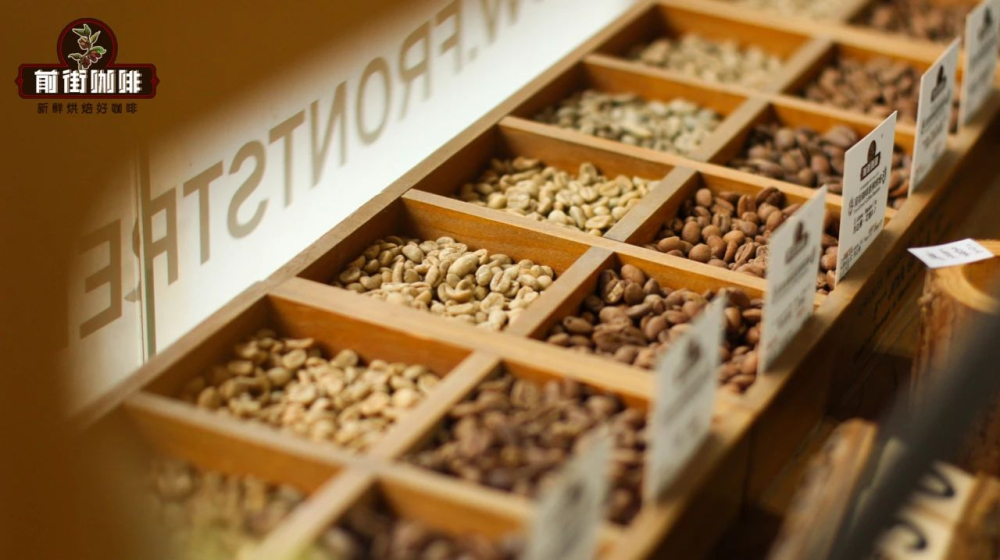
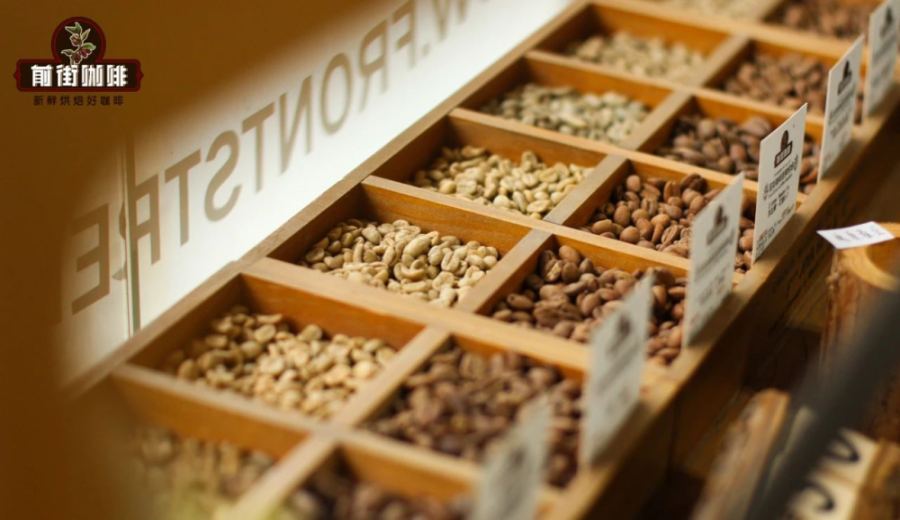
The protagonist, Yumisaki Yoshida, is a coffee roaster from Tokyo. Her seaside café is equipped with a Fuji Royal R105 roaster, showcasing her attention to equipment. Notably, the café displays its roasted beans not in pre-packaged bags, but in large glass jars, scooping and weighing them for customers on the spot—this bulk retail model can still be seen in small independent cafés in Japan, in contrast to the modern packaging strategy of mainstream brands like Maruyama Coffee.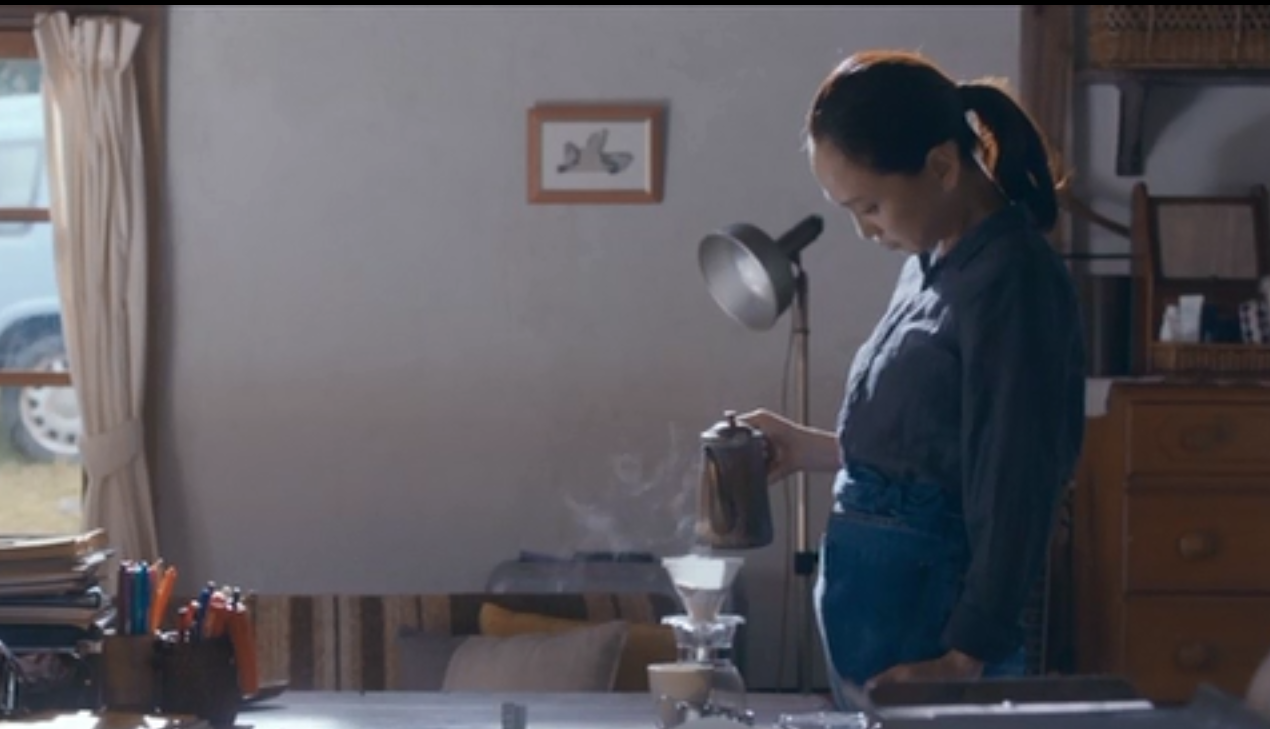
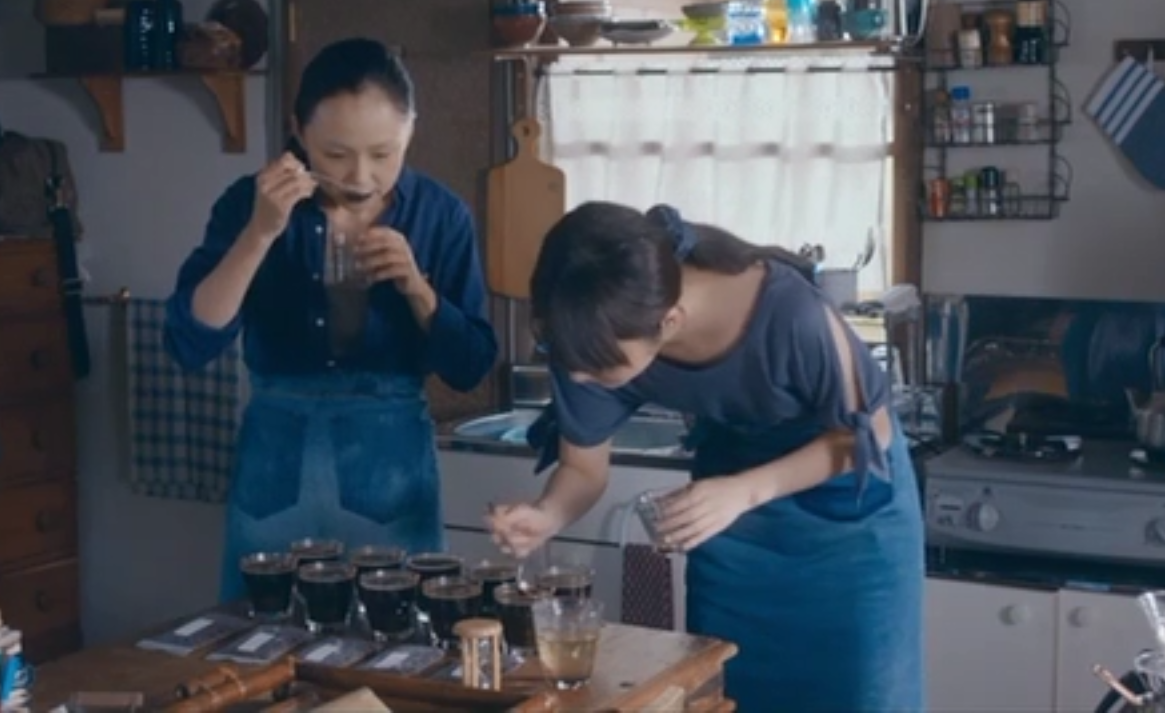
Even more surprising is that the film also features a professional coffee cupping session, demonstrating the rigor of the evaluation process. For coffee enthusiasts seeking deeper knowledge, these details are undoubtedly rich observational material. Of course, for narrative aesthetics, the film makes certain adjustments; if you want a systematic understanding of the coffee supply chain and brewing science, documentaries are a more reliable source of information.
Take CCTV’s
In terms of practical operation, self-learners can start by adjusting three key parameters: grind size, water temperature, and extraction time. A common beginner setup includes a medium-fine grind (similar to white sugar granules), water temperature controlled at 90–93°C, and a single extraction time of about 2 minutes, then fine-tuning based on personal taste preferences. Remember to use freshly roasted coffee beans (ideally within 7–21 days post-roast), and ensure the filter paper is fully wetted to minimize paper taste interference.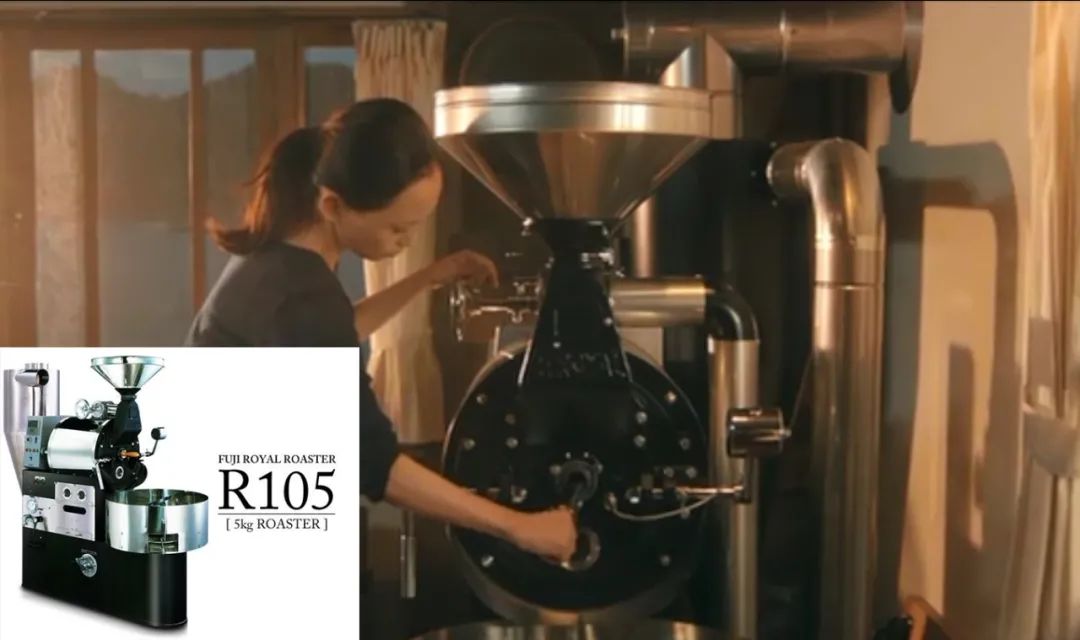
If you prefer visual learning, watching coffee-themed films can spark your imagination about flavor profiles and brewing rituals. In addition to the practical details in
In summary, the self-learning path for pour over coffee can be flexibly combined: use books to establish a theoretical foundation, films to develop sensory sensitivity, and documentaries to fill in industry background gaps. Maintain an experimental spirit, record the variables and feelings of each brew, and you’ll gradually find your own flavor balance point.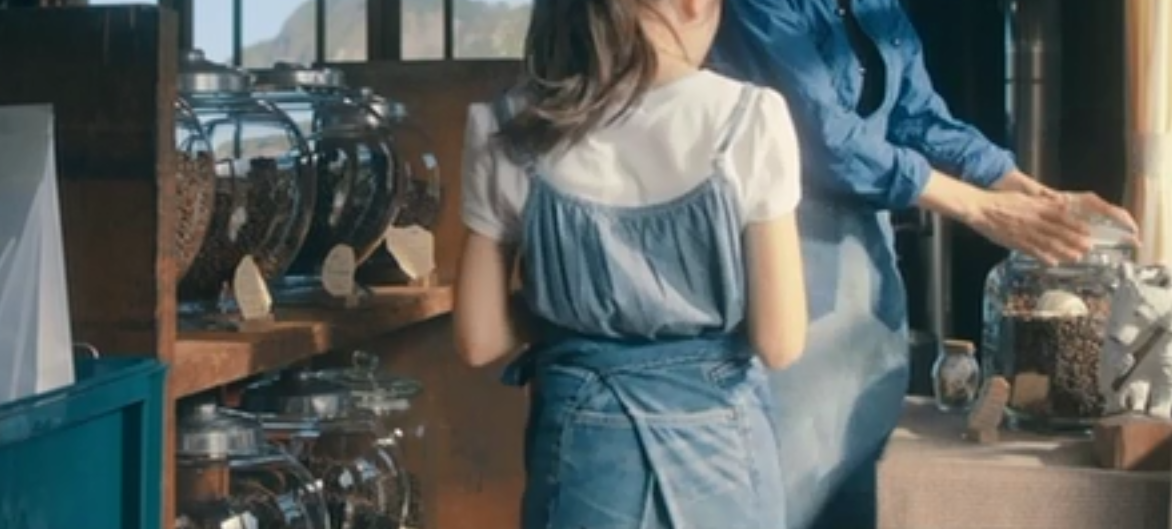

The above content is compiled by CoffeeHunters, a coffee news website.


