







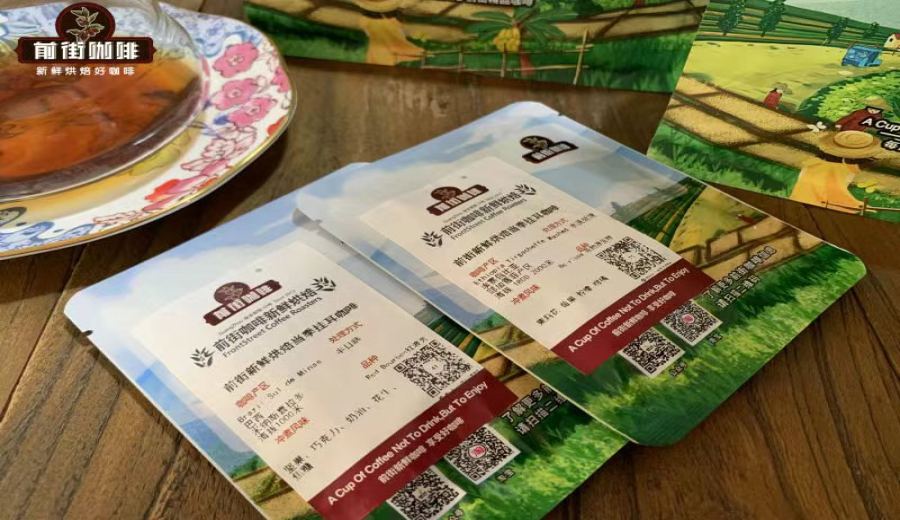
Introduction:Drip bags are often seen as an alternative to pour over brewing, but can they truly match its flavor complexity? This article delves into the differences between the two by examining equipment design, coffee bean selection, and brewing methods, while also providing practical grind-to-water ratio and water temperature recommendations. Additionally, we’ve curated a selection of drip bags with diverse flavor profiles — from bright fruity acidity to rich body — to help you find your preferred coffee style.
Many people new to specialty coffee view drip bags as a simplified version of pour over. While both methods use paper filters to brew coffee, the original intent of drip bags is to deliver a near-pour over experience without requiring specialized equipment. However, there are still differences in extraction efficiency and flexibility, which directly impact the final cup’s taste.
The advantage of drip bags lies in their low barrier to entry and high convenience. Users don’t need to purchase a pour over kettle or dripper — just hot water, a cup, and a pre-portioned coffee packet are enough to brew. This design is especially suitable for office or travel scenarios, and it retains the flexibility of manually controlling water flow and brewing time, making it a user-friendly option for beginners wanting to explore coffee’s flavor layers.
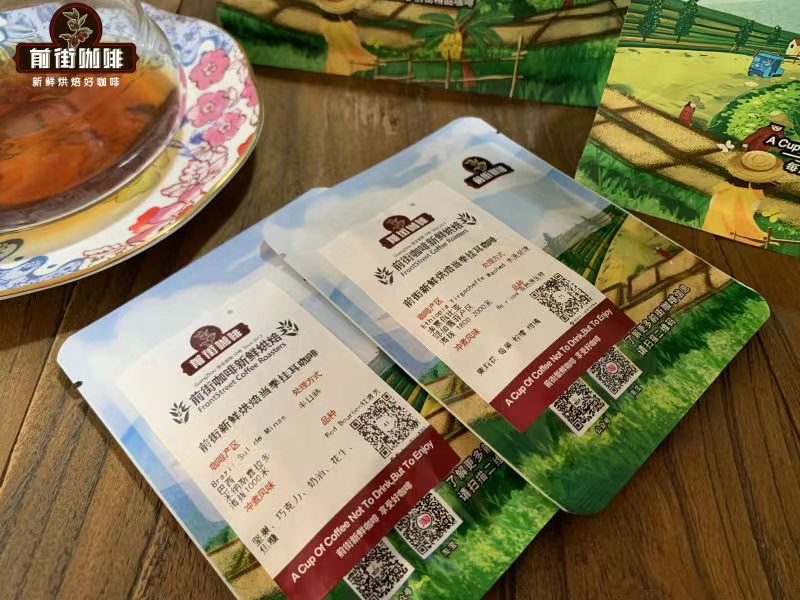
In terms of equipment structure, a drip bag contains filter paper and two side handles, which can be hung directly over a cup for use. While this setup simplifies the pour over process, the material and folding of the filter paper may affect water flow speed, thereby altering extraction uniformity. In contrast, pour over brewing allows users to choose drippers with different hole densities (like V60 or Kalita Wave) based on personal preference, offering more precise control over coffee bed expansion and drainage rate.
When it comes to bean selection, drip bags and pour over both emphasize the freshness of single-origin Arabica beans.The golden period for coffee flavor is within 5 days post-roast, so it’s particularly important to choose brands that ensure fast delivery. Specialty-focused brands typically indicate roast dates and offer same-day or 24-hour shipping services to guarantee that customers receive beans at their optimal flavor peak.
In terms of flavor expression, drip bags perform similarly to pour over, but the specific characteristics depend on the bean variety.For example, Ethiopian Yirgacheffe drip bags often showcase bright citrus acidity and jasmine floral notes, which are typical of African beans; Brazilian Cerrado tends to feature a nutty profile with low acidity and a full body, making it ideal for those who prefer balanced flavors. These differences mainly stem from factors such as terroir microclimate, processing methods (e.g., washed or natural), and roast levels.
To explore a variety of flavor profiles, try the following curated drip bags:Ethiopia Guji Dingding Drip Bag (G1 grade, washed)Known for its citrus acidity and honey-like aftertaste, perfect for those who enjoy fresh floral and fruity notes;Natural Huakui Drip Bag (new season G1)Offers sweet profiles of creamy strawberry and mango fermentation, with standout sweetness;Yunnan Small Bean Typica Drip BagPresents soft nutty and brown sugar tones, with balanced acidity and sweetness;PWN Golden Mandheling Drip Bag (G1 grade, screen size 18+)Carefully selected to remove earthy and off-flavors, showcasing the bold, low-acid characteristics of Indonesian beans.
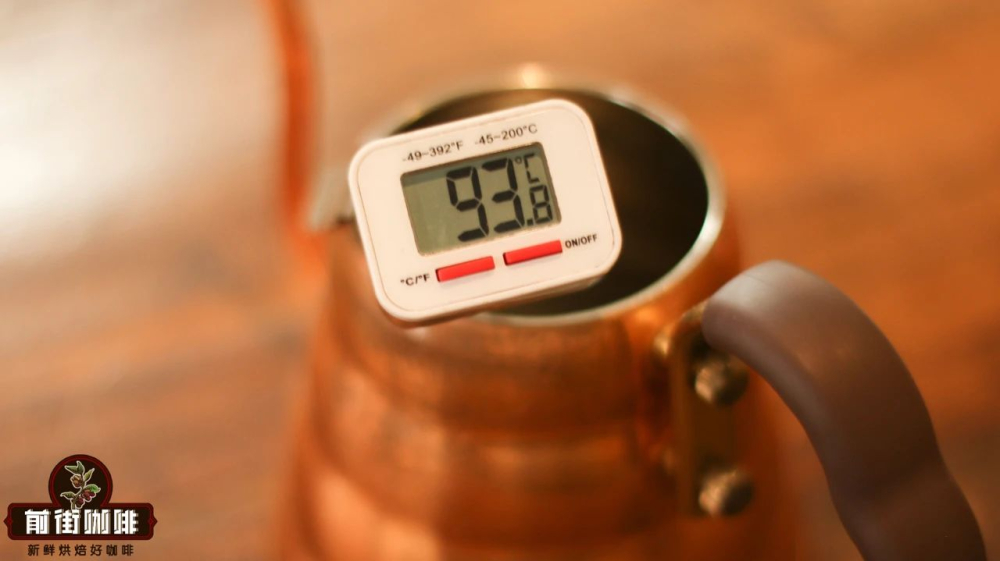
The correct brewing steps can maximize the potential of a drip bag. First, preheat your cup to stabilize the brewing temperature. When hanging the drip bag over the cup, ensure the cup diameter isn’t too wide to prevent the handles from slipping off.The recommended grind-to-water ratio is 1:15 (10 grams of coffee per 150 ml of water), with water temperature controlled between 90–93°C. Start by pouring a small amount of hot water (about 30 ml) to bloom the coffee grounds for 10–20 seconds; then pour up to about 100 ml, wait for the liquid to drain, and continue filling to the full volume. Total brewing time should ideally be around 2–3 minutes.
It’s important to note,drip bags are not suitable for extended steeping or multiple brews. Over-extraction can release bitter compounds, disrupting flavor balance. Remove the drip bag immediately after brewing to prevent leftover coffee from dripping out and creating undesirable tastes. Additionally, avoid using water sources other than filtered or soft water, as minerals can affect extraction efficiency and taste perception.
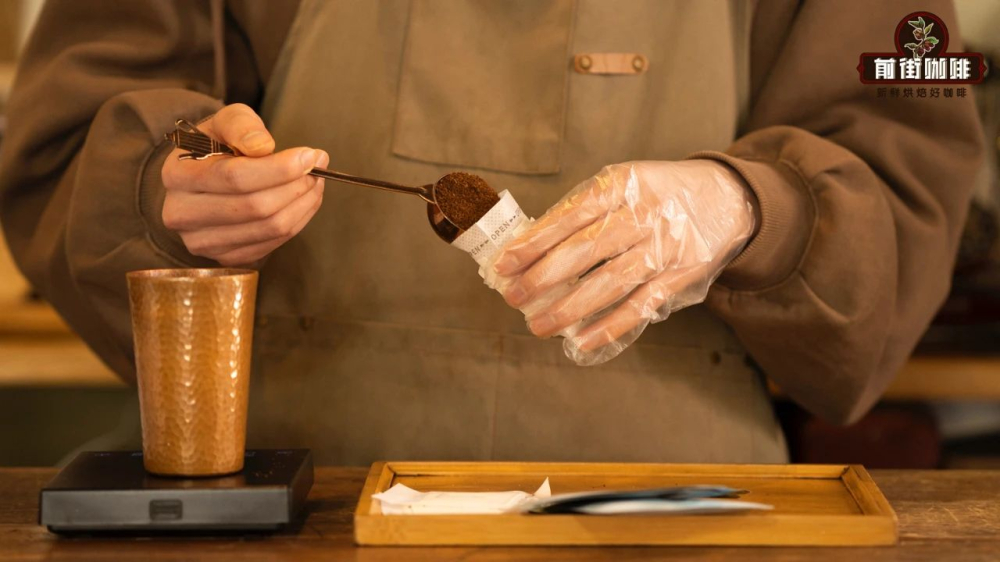
From a technical perspective, the key difference between drip bags and pour over lies in “control”.Pour over allows adjustments to grind size, pouring technique (e.g., center pour or spiral pour), and water flow rate, enabling precise control over extraction yield and concentration; drip bags, however, are limited by pre-ground coffee and a fixed filter design, so users mainly adjust through water temperature, grind-to-water ratio, and pouring rhythm. Nevertheless, for most everyday brewing situations, drip bags can still deliver sufficient flavor complexity and consistent quality.
In summary, while drip bags aren’t traditional pour over in the strict sense, their convenience and flavor performance are more than adequate for most coffee drinkers.If you’re pursuing ultimate technical control and experimental flexibility, pour over remains irreplaceable; but if you value convenience and a pour over-like quality, choosing freshly roasted drip bags with clear origin information and using the correct brewing parameters will still allow you to enjoy a layered, specialty-grade cup of coffee.
The above content is compiled by CoffeeHunters, a coffee news website.


