








Introduction:As a representative origin of Geisha coffee, Finca La Esmeralda classifies its products into different grades: Auction, Red Label, Green Label, and Blue Label. Each grade varies in terms of plot origin, quality standards, and pricing. Additionally, Gesha Village Estate also uses similar naming conventions, but the two are completely unrelated. This article explores the micro-lot distribution on Finca La Esmeralda’s interactive map to help you understand the meaning and characteristics of each grade, enabling you to choose the most suitable Geisha coffee beans based on your preferences.
As a benchmark origin for Geisha coffee, Finca La Esmeralda categorizes its products into multiple grades such as Auction, Red Label, Green Label, and Blue Label, based on quality and origin. Each label not only represents different plot sources but also reflects specific quality standards and price ranges. Meanwhile, there is another estate called Gesha Village that uses naming conventions such as Gold Label, Red Label, and Green Label, but these two systems are entirely unrelated. This article will use Finca La Esmeralda’s interactive map to examine the distribution of micro-lots in detail, clarify the actual meanings and differences between the various labels, and help coffee enthusiasts gain an in-depth understanding of its grading logic. With professional recommendations, you can select the Geisha coffee that best suits your taste.

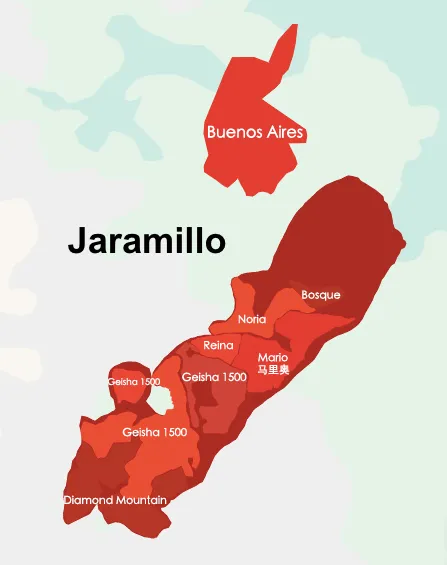
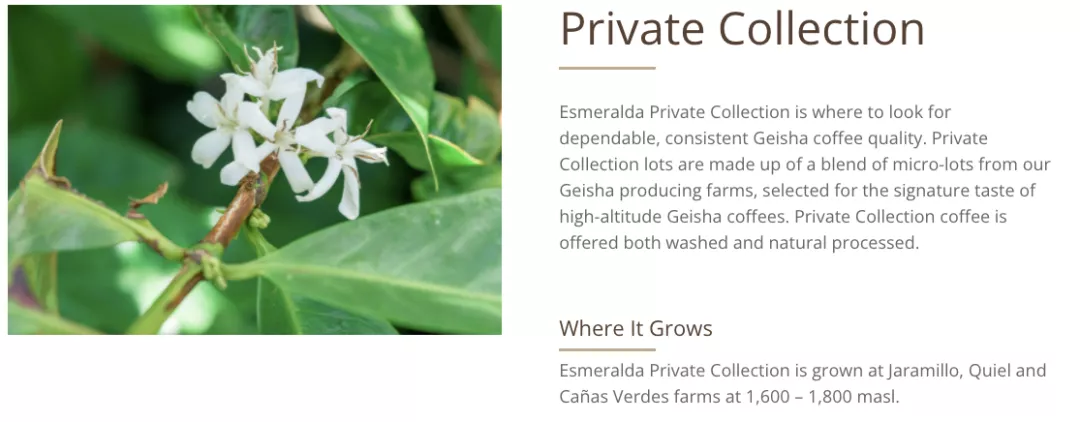
Through the interactive map launched by Finca La Esmeralda, you can clearly see the division of micro-lots across its four sub-farms. Taking the well-known Jaramillo growing area as an example, as you zoom in on the map, the names of individual small plots gradually appear. Notably, plots labeled “Geisha1500” produce coffee beans that belong to the Blue Label grade. Thanks to their altitude and microclimate conditions, this block produces Geisha beans with representative flavor profiles.
The Blue Label grade typically comes from specific higher-altitude micro-plots. While its green bean selection criteria are stringent, it is not as rare as the Auction-grade lots. It still retains the delicate floral and fruity notes and clear layered structure characteristic of Geisha beans. For coffee lovers who want to experience high-quality Geisha without the high cost of bidding, the Blue Label offers excellent value. Additionally, the recommended roast level for Blue Label is usually medium-light to highlight its bright acidity and citrusy, floral notes.
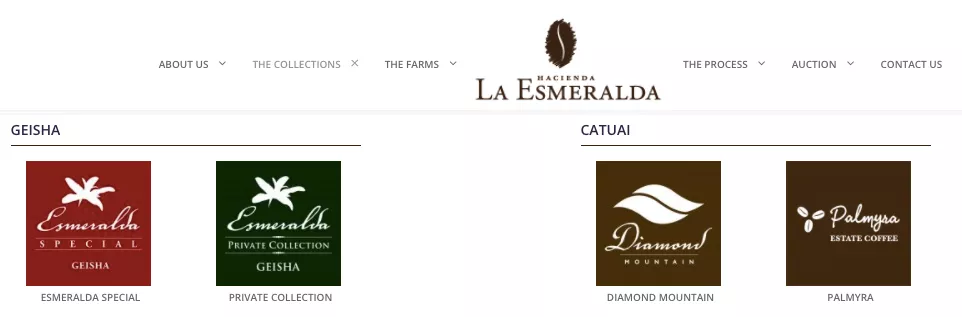
The Red Label is one of the flagship grades from Finca La Esmeralda. Its plot sources are similar to those of the Auction grade, though the selection criteria are slightly more lenient, yet it still maintains the classic characteristics of the Geisha variety. Red Label coffee typically features prominent floral notes, tropical fruit flavors, and rich sweetness, making it a staple offering in many specialty coffee shops. This grade is suitable for medium-light to medium roasting, which balances acidity, sweetness, and bitterness while showcasing the unique charm of the Geisha variety. For pour over brewing, a water temperature of 90–93°C is recommended to extract the optimal flavor profile.
The Green Label is the more accessible grade from Finca La Esmeralda. Although it does not consist of Geisha beans, its origin and microclimate still offer advantages, and it is often presented as a blend. Green Label coffee generally has a balanced flavor and moderate acidity, making it suitable for everyday drinking or for consumers trying the Gesha region for the first time. This grade offers greater flexibility in roast levels, ranging from medium to medium-dark, allowing adjustments based on personal flavor preferences. If you prefer a fuller body, opt for a medium-dark roast; if you wish to preserve more of the original flavors, a medium roast is more appropriate.
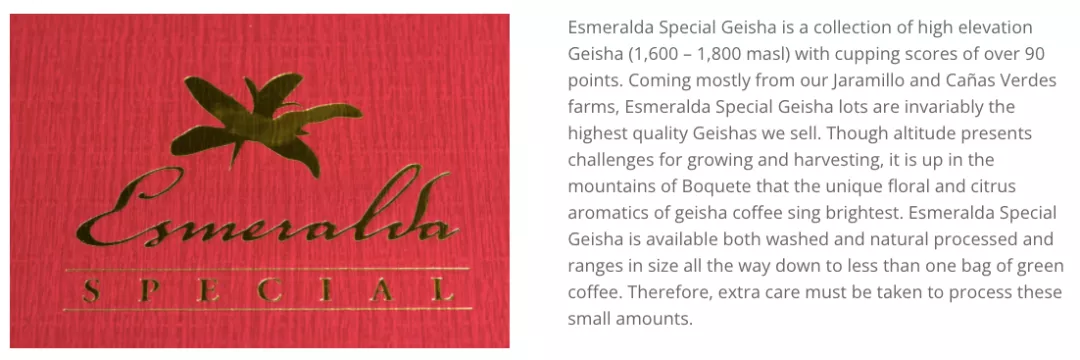
The Auction-grade Geisha coffee is considered the pinnacle representation of the variety. Only a limited quantity is produced each year and sold through international auctions. These beans come from the most carefully selected micro-plots of Finca La Esmeralda and undergo rigorous cupping selection. They not only possess exceptional aroma and complexity but also showcase the rare delicacy and layered structure of the Geisha variety. The flavor profile of Auction beans often includes white floral notes, honey-like sweetness, citrus acidity, and a tea-like finish. They are highly sought after by coffee professionals and collectors. Due to their limited availability and high prices, coffee enthusiasts are advised to purchase shared bottles through professional roasters to experience their unique charm.
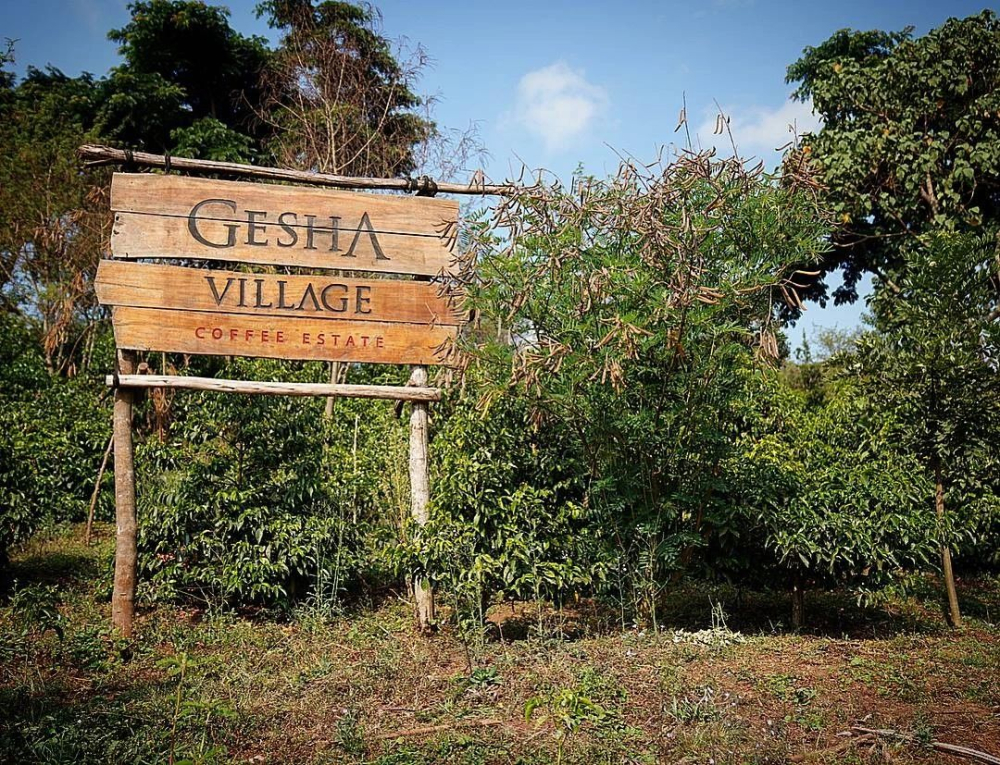
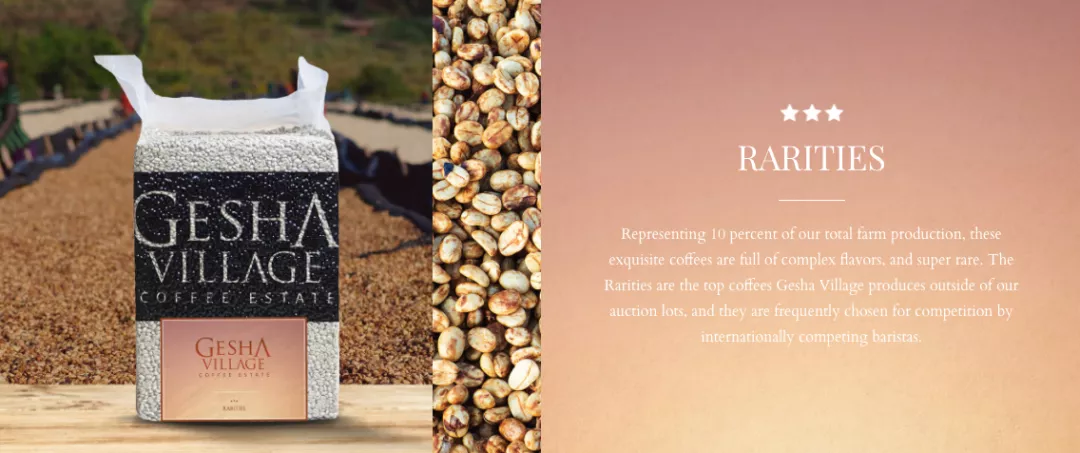
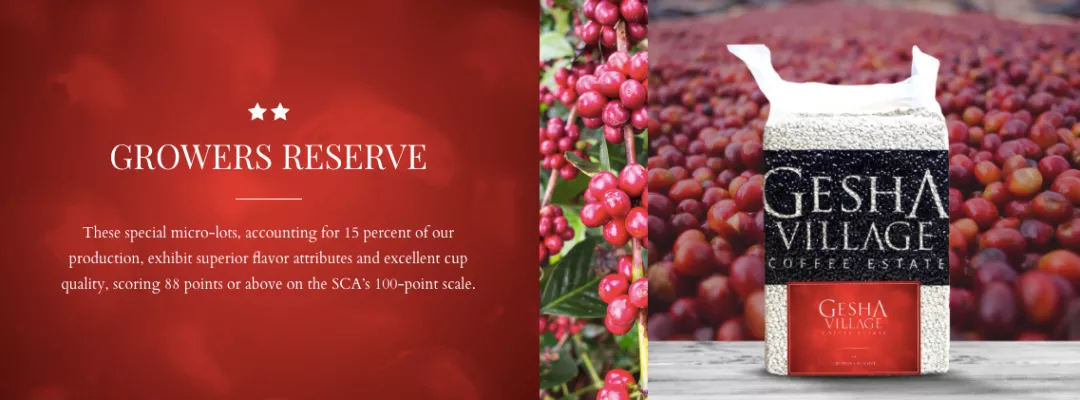
It is important to note that, aside from Finca La Esmeralda’s own grading system, there is also Gesha Village Estate that uses naming conventions such as Gold Label, Red Label, and Green Label. However, the product lineup of Gesha Village has no affiliation or partnership with Finca La Esmeralda, and the grading logic and plot origins of the two are entirely different. Therefore, when making a selection, it is essential to carefully identify the origin and estate information to avoid confusion. Finca La Esmeralda’s grading system is regarded as one of the industry benchmarks due to its transparency and consistency.
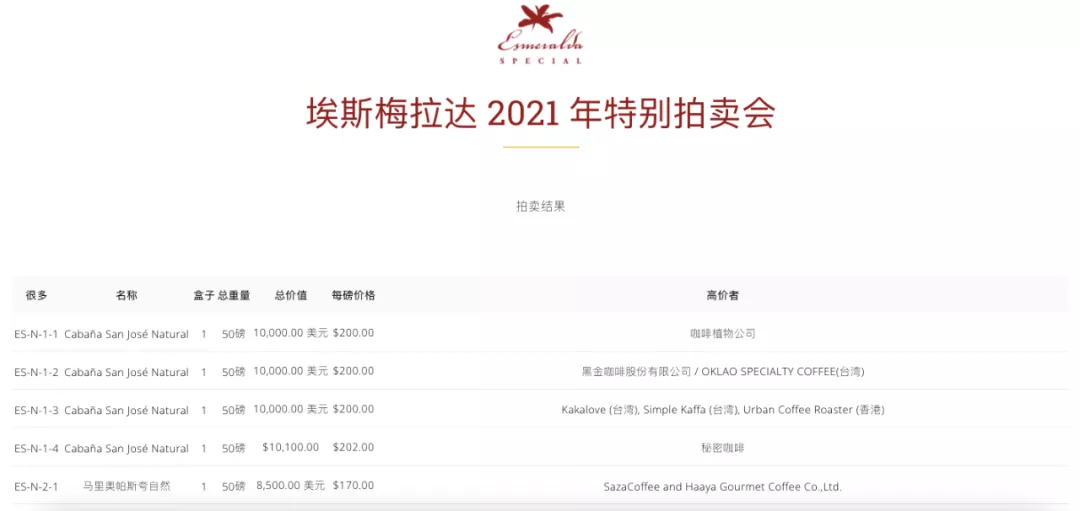
Overall, Finca La Esmeralda’s Auction, Red Label, Green Label, and Blue Label each have their own characteristics and target consumer groups. If you are pursuing ultimate quality and collectible value, the Auction grade is undoubtedly the top choice. If you wish to experience the classic flavors of Geisha in your daily coffee routine, the Red Label and Blue Label are both worthwhile options. The Green Label is suitable for budget-conscious consumers who still want to explore the flavors of this region. By understanding the origin and characteristics of each grade, consumers can more accurately select the most suitable Geisha coffee beans based on their needs and budget.
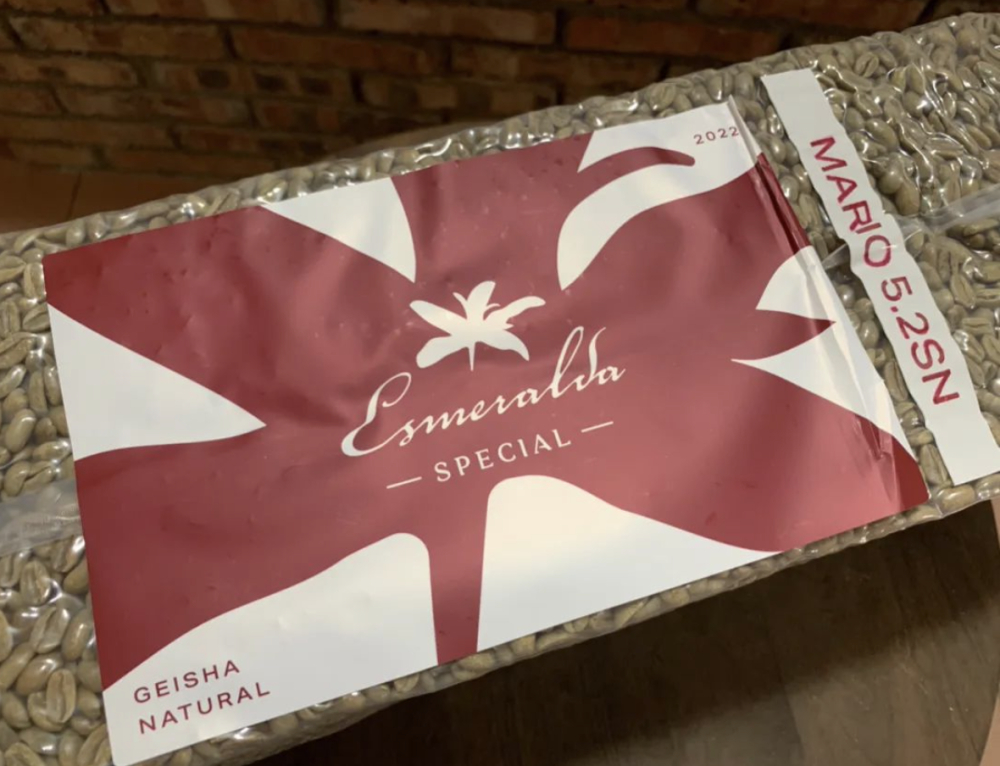
In addition, the roasting method and brewing parameters also significantly influence the flavor expression of Geisha coffee. It is generally recommended that medium-light roasting highlights its floral and fruity notes and bright acidity, while medium-dark roasting brings out a richer body and sweetness. For pour over brewing, a water temperature of 90–93°C is recommended, along with a medium-fine grind, to achieve the best balance. Regardless of which grade you choose, proper extraction and brewing methods can elevate the unique charm of Geisha coffee to new heights.
In summary, Finca La Esmeralda’s Geisha coffee grading system not only reflects the differences in microclimates and plots of the estate but also provides consumers with a diverse range of choices. From the top-tier treasures of the Auction grade to the more accessible Blue Label, each grade has its unique flavor characteristics and suitable occasions. Through this article’s analysis, readers can better understand the actual differences between each label and, based on personal preferences and needs, select the Geisha coffee that best suits them, enjoying the endless charm of this coffee variety.
Whether you are a beginner in the world of coffee or an experienced enthusiast, understanding Finca La Esmeralda’s grading logic and the characteristics of each grade can help you make wiser choices among the many Geisha coffees available. Remember, the best coffee is the one that suits you. Through continuous tasting and exploration, you will find the Geisha coffee that perfectly matches your palate.
The above content is compiled by CoffeeHunters, a coffee news website.


