








Introduction:The moka pot is the go-to brewing device for many coffee enthusiasts who want to make espresso-style coffee at home. Though it’s intuitive to use, extracting coffee with rich crema and balanced flavors still requires mastering details such as coffee dosage, water volume, grind size, and heat control. This article will delve into the structure and extraction principles of the moka pot, and from a practical perspective, guide you in adjusting optimal parameters—including coffee-to-water ratio, heating time, and how to maintain puck integrity—so you can consistently brew layered, espresso-like coffee at home.
Among the many home coffee brewing tools, the moka pot stands out with its simple operation and relatively affordable price, making it many people’s first step into the world of espresso. However, brewing coffee with an authentic Italian flair using this small copper pot is not as simple as just adding water, coffee, and heat. Every step—from controlling coffee dosage and managing water temperature, to adjusting grind fineness and tamping methods—affects the final extraction, especially the release of crema and the concentration of flavors.
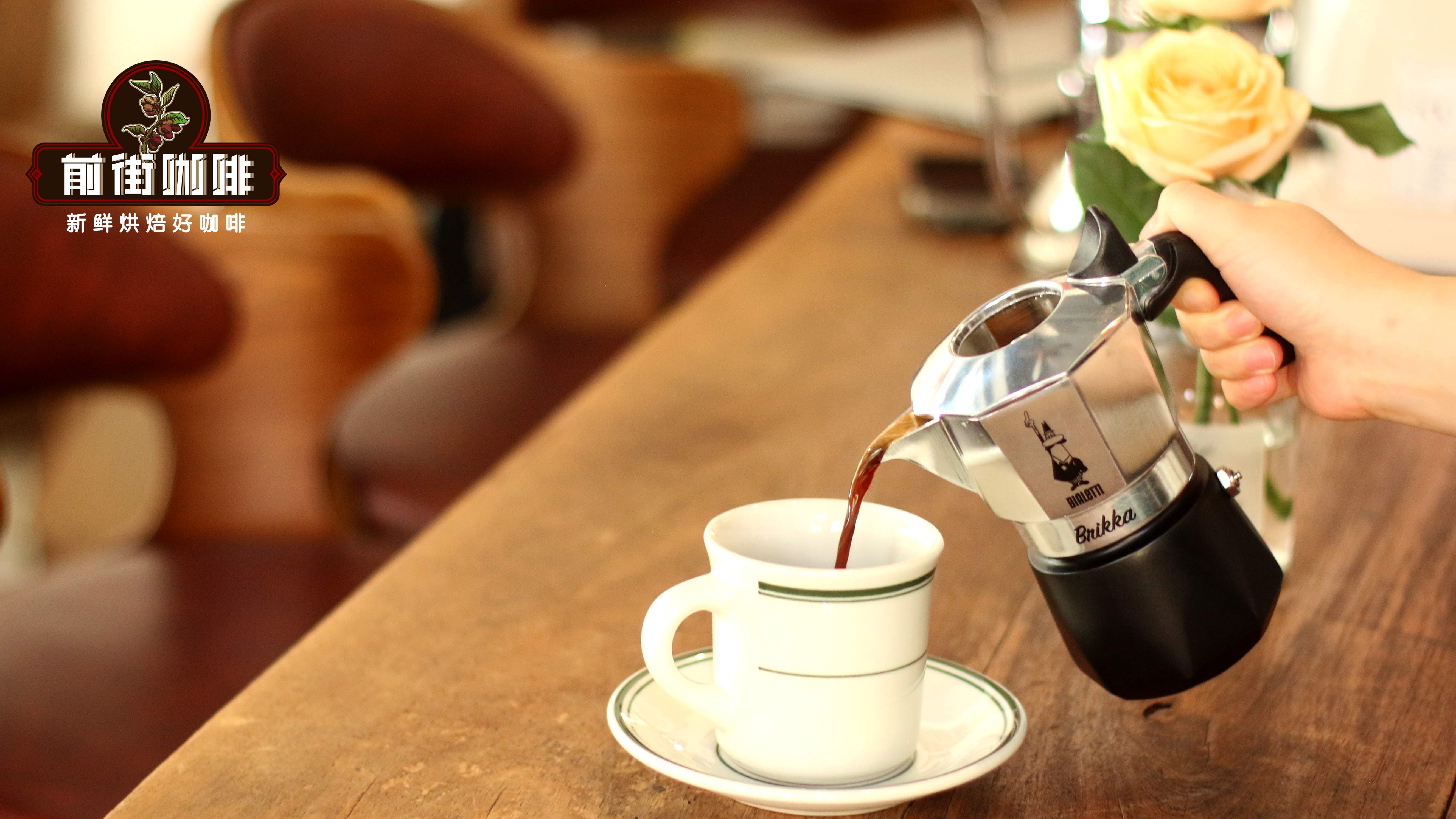
The moka pot mainly consists of three parts: the upper chamber, the middle filter basket, and the lower base. There are various capacity options available on the market, whether for single servings or small households, you can find a suitable size. Its working principle is to use steam pressure generated by heating water in the lower chamber, which forces the hot water upward through the coffee grounds in the filter basket, and finally drips into the upper chamber, producing an espresso-like concentrated coffee. This pressurized extraction method allows the moka pot to quickly extract a rich body and aroma from the coffee.
When it comes to choosing coffee beans, it is recommended to use medium to dark roasted beans, as this roast level can withstand the moka pot’s high temperature and fast extraction, helping to release intense crema and complex aromas. Generally, freshly roasted beans can better showcase the full flavor profile, so it is advised to select beans roasted within five days to ensure optimal flavor. If you prefer pre-ground coffee, also pay attention to storage methods and the time after grinding, to avoid aroma loss that could affect extraction quality.
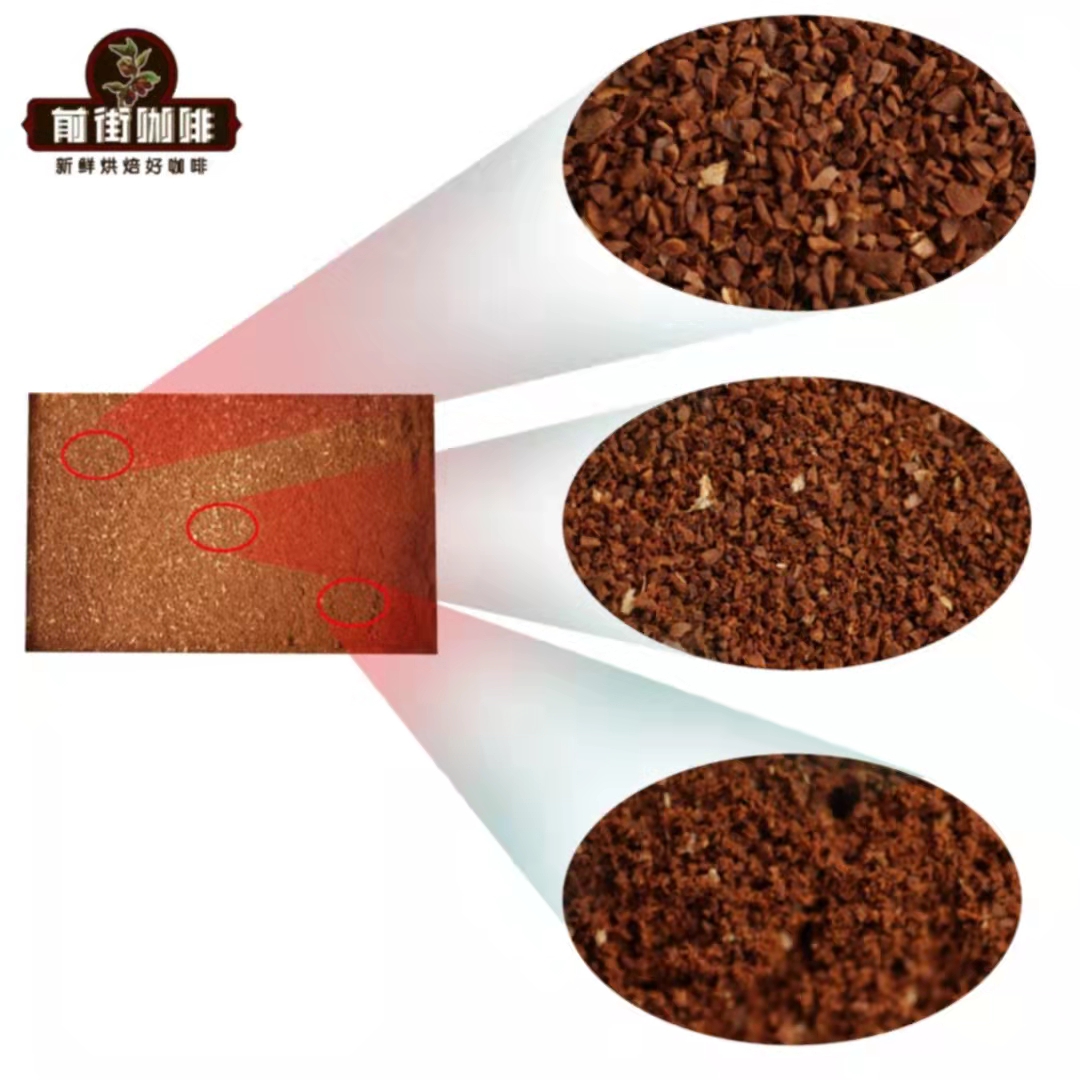
In terms of grind size adjustment, the coffee grind for a moka pot should be similar to that of fine sugar or slightly coarser than what is used for espresso machines. A grind that’s too fine may lead to over-extraction and channeling, while one that’s too coarse may result in under-extraction, leading to thin-bodied coffee with little crema. If you don’t have a professional grinder at home, you might consider asking your coffee shop to grind it for you in advance, but try to use it as soon as possible to minimize aroma loss. When filling the basket, evenly distribute the coffee grounds and gently tap or press to make the coffee bed compact—but avoid pressing too hard, as it may hinder water flow and damage puck integrity.

The coffee-to-water ratio is one of the key factors influencing coffee strength and flavor balance. The moka pot doesn’t have a strictly fixed standard, but it is generally recommended to fill the water level to about 0.5 cm below the safety valve. At this point, using around 20 grams of coffee in the filter basket corresponds to approximately 100 grams of water, translating to a coffee-to-water ratio of roughly 1:5. For a smaller serving, you can adjust proportionally—for example, with 15 grams of coffee, use about 60 grams of water, with the water level around 1 cm below the valve. Additionally, when using too little coffee, the internal pressure may become unstable, leading to boiling and splattering. After filling, gently shake the basket to allow the coffee to settle naturally, then lightly level it with the back of a spoon to help stabilize extraction.
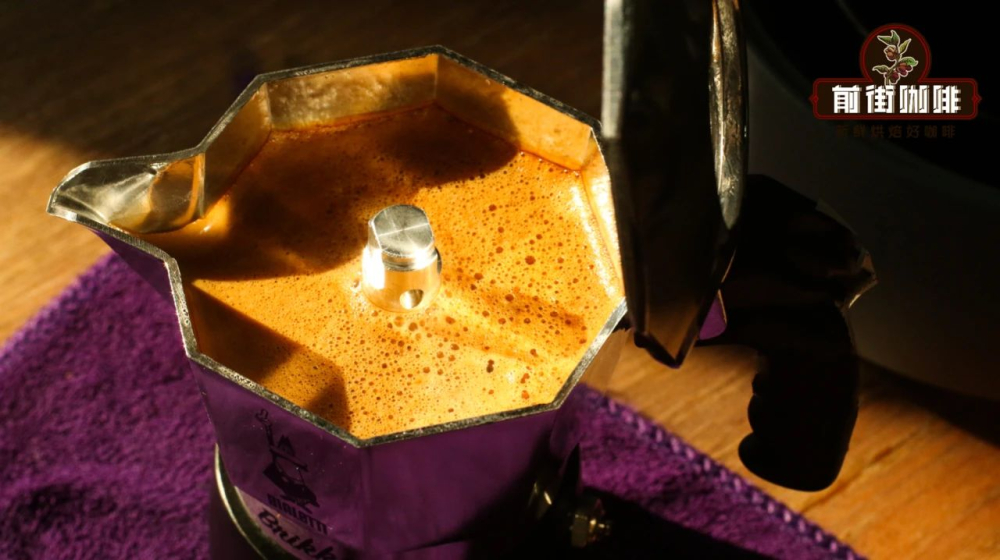
Regarding the water quality and temperature for brewing, it is recommended to use pre-heated hot water rather than cold water, as cold water increases the contact time between water and coffee grounds, raising the risk of over-extraction. It may also lengthen the extraction time, affecting the final taste. Using water close to boiling point can shorten the extraction duration and help control brewing temperature, avoiding excessively high heat that can lead to sour or burnt bitter notes. In practice, observe the heating of the moka pot; when you hear continuous fine bubbling sounds or see coffee beginning to drip from the upper chamber, reduce the heat to stabilize pressure and avoid over-extraction.
Extraction time is another important parameter. It is generally recommended to keep the time from heating start to the completion of coffee dripping within 25 to 30 seconds. If the extraction time is too long, it may lead to over-extraction and bitterness; if too short, it may result in under-extraction and lack of flavor complexity. When the coffee flows steadily and the stream gradually becomes thinner, it is time to turn off the heat to avoid over-extraction. Additionally, if you hear unusual hissing noises during use but no coffee is coming out of the upper chamber, it may be due to a blocked spout—turn off the heat source immediately to prevent pressure build-up and potential hazards.

Finally, safe use of the moka pot should not be overlooked. Moka pots are mostly made of metal and conduct heat quickly, so the outer surface gets extremely hot during use. It is recommended to use heat-resistant gloves or a damp cloth to handle the pot and avoid burns. Also, regularly check the sealing of the safety valve and all joints to ensure there are no dangerous pressure issues during use. With the correct parameters and operational details, the moka pot can become a reliable tool for brewing delicious espresso-style coffee at home.
The above content is compiled by CoffeeHunters, a coffee news website.


