







Introduction:Starbucks and PepsiCo have joined forces to launch a new energy drink, BAYA Energy, in the Americas, positioning it with low calories, high vitamin C, and a strong caffeine kick to carve out a niche in the growing energy beverage market. This article analyzes the product’s formulation, market background, and the strategic thinking and challenges behind Starbucks’ foray into the energy drink category.
Recently, Starbucks announced a collaboration with PepsiCo to release three new fruit-flavored energy drinks, “BAYA Energy,” in the American market starting March 1. Each 12-ounce serving contains 160 mg of caffeine, 90 calories, and 90 mg of vitamin C, emphasizing low calories and high functionality—marking Starbucks’ official entry into the energy drink arena. With the U.S. energy drink market’s annual sales surging from $15 billion to $18 billion post-pandemic, the market is watching closely whether Starbucks can break through the consumer loyalty of established energy drink brands with its low-calorie, high-vitamin positioning.
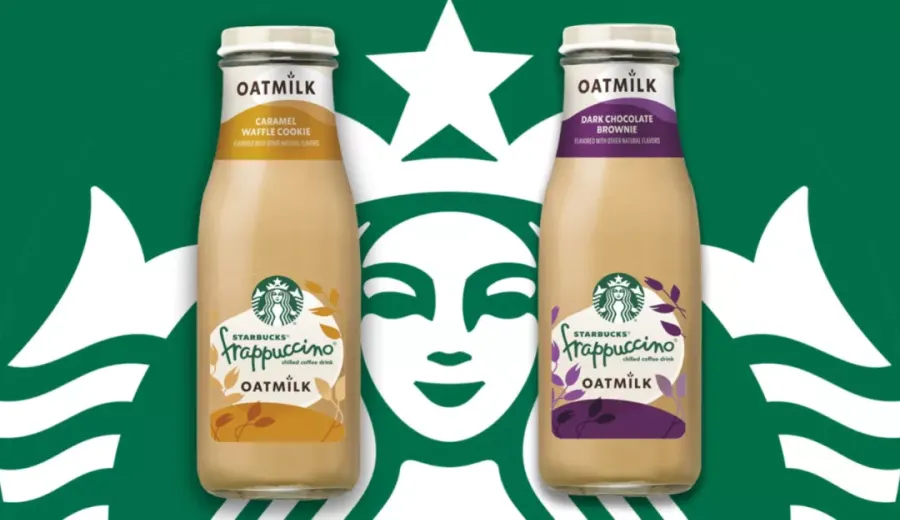
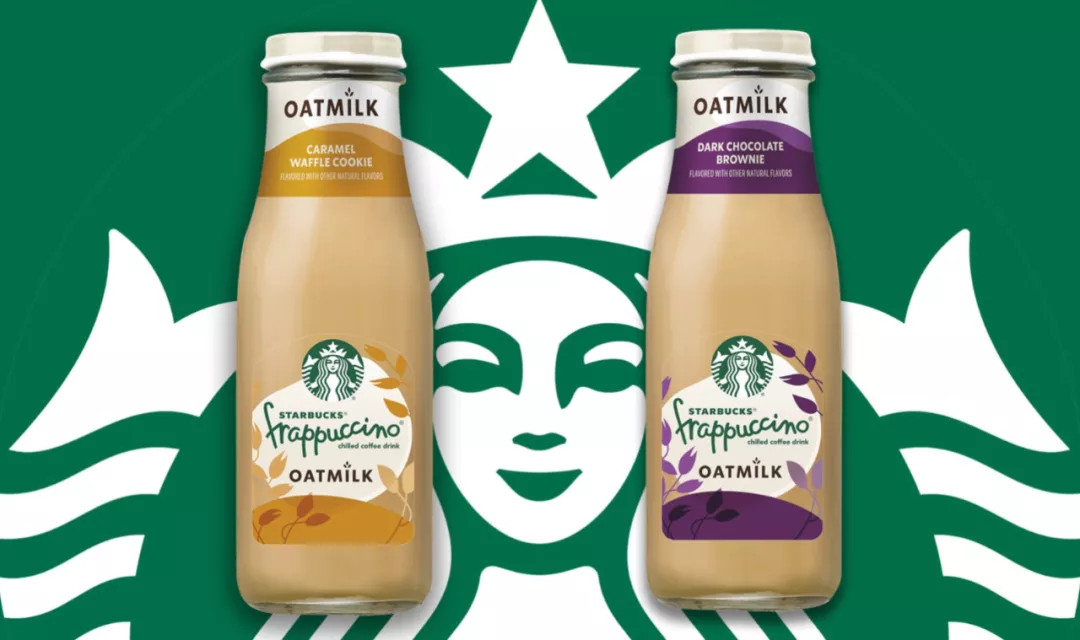
In fact, Starbucks has long accumulated experience in the ready-to-drink coffee market, continuously launching diverse products including canned black coffee and oat milk coffee. Now, further expanding into energy drinks reflects the brand’s keen insight into market demand and strategic adjustments. Can the BAYA Energy, launched in partnership with PepsiCo, become a key step for Starbucks to explore new territory?
BAYA Energy is a series of energy drinks jointly developed by Starbucks and PepsiCo, with three fruit flavors initially launched. The product’s positioning is clear: each 12-ounce serving provides 160 mg of caffeine for a quick energy boost, contains only 90 calories as a low-calorie option, and is specially fortified with 90 mg of vitamin C, emphasizing health and functionality. This combination is clearly targeting health- and performance-conscious consumers, setting it apart from most mainstream energy drinks that are high in sugar and calories.
Chanda Beppu, Starbucks’ vice president of U.S. market development, stated: “We continuously monitor consumer drinking habits and market trends. Recently, we’ve clearly seen an upward trajectory in energy drink sales, which prompted us to enter this category.” This cross-industry move is one of Starbucks’ strategic responses to market shifts.
According to market data, since the outbreak of the pandemic, the demand for energy drinks in the U.S. has grown rapidly, with annual sales rising from approximately $15 billion in 2019 to $16 billion in 2020 and reaching $18 billion by 2021. This growth is linked to the multiple pressures consumers faced during the pandemic, with many seeking quick-energy beverages but turning to ready-to-drink options due to reduced outings. However, traditional ready-to-drink coffees generally have low caffeine content, and many are high in sugar, which can actually induce fatigue rather than meet the demand for a “quick wake-up.”
Additionally, the ready-to-drink coffee market is highly competitive, with brands constantly launching new products and price wars squeezing profit margins. Coupled with the impact of the pandemic on physical store sales, Starbucks urgently needs to find new growth drivers. The energy drink market has thus become a new strategic target. However, this market demands high brand loyalty, with consumers typically favoring major or established brands. While Starbucks enjoys high recognition in the coffee space, it remains a newcomer in the energy drink category, making its success in attracting consumers uncertain.
Market analysts note that past cases show cross-industry ventures are not easy. For example, in early 2020, Coca-Cola attempted to launch an energy drink but met with lukewarm market response and ultimately exited the Americas market in the second half of 2021, sustaining the strategy for just over a year. This outcome has made Starbucks more cautious, leading it to focus on two key health appeals—“low calories” and “high vitamin C”—hoping to attract health-conscious consumers seeking effective energy solutions through differentiated positioning.
Starbucks has already gained considerable experience in the ready-to-drink coffee sector, offering everything from traditional canned black coffee and milk coffee to plant-based milk alternatives like soy, oat, coconut, and almond milk, continuously expanding its product line to meet the needs of diverse dietary preferences. The launch of BAYA Energy also continues its “health-oriented” and “functional” product strategy, aiming to create a unique position for Starbucks in the energy drink market through low calories and high nutrition.
In summary, Starbucks’ collaboration with PepsiCo to launch BAYA Energy is a strategic attempt following market trend observations. By designing a product with low calories, high caffeine, and high vitamin C, it aims to carve a new path in the crowded energy drink market. Whether it can successfully win over consumers in the future remains to be seen.
The above content is compiled by CoffeeHunters, a coffee news website.


