







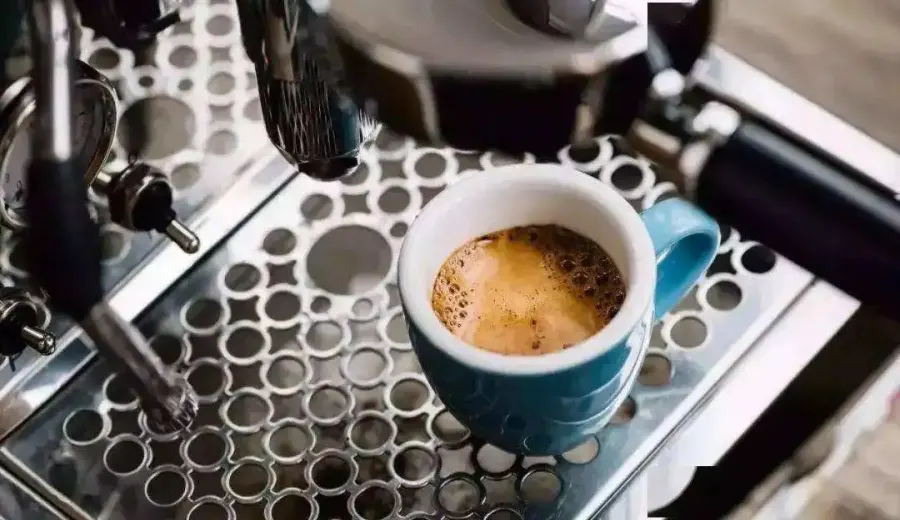
Introduction:From the birth of the steam-powered coffee machine in the late 19th century to its current status as a standard fixture in coffee shops worldwide, the century-long evolution of the espresso and its machines bears witness to the deep interweaving of Italian industry and culture. This article takes you on a journey exploring how the espresso machine transformed from a tool for quick extraction into a cultural symbol representing the Italian way of life, and also follows the latest developments in its application for UNESCO Intangible Cultural Heritage status.
Espresso is not only an indispensable part of daily life for Italians, but also carries the profound cultural heritage and technological innovations of the country’s industrial revolution. From the emergence of the first steam-powered coffee machine in the late 19th century to the widespread adoption of semi-automatic and fully automatic machines today, the evolution of this beverage and its brewing equipment deeply reflects the changes in Italian society. Meanwhile, since 2016, Italy has actively pushed for espresso to be recognized as an Intangible Cultural Heritage by UNESCO, and the application has now entered the formal review stage.
This strong and quickly prepared coffee was initially not created for flavor, but to meet the demands of the then-busy social pace. In late 19th-century Italy, coffee was a small respite companion that helped many male laborers maintain work efficiency, mainly using the then-common Robusta coffee beans. However, traditional brewing methods were time-consuming and couldn’t match the efficiency-focused lifestyle of the time, which led to the invention of the steam-powered coffee machine. In 1884, an inventor in Turin successfully obtained the patent for the first steam-powered coffee machine. Although the resulting coffee at the time was burnt and bitter, it achieved rapid extraction, hence being called “espresso,” meaning “fast” in Italian.
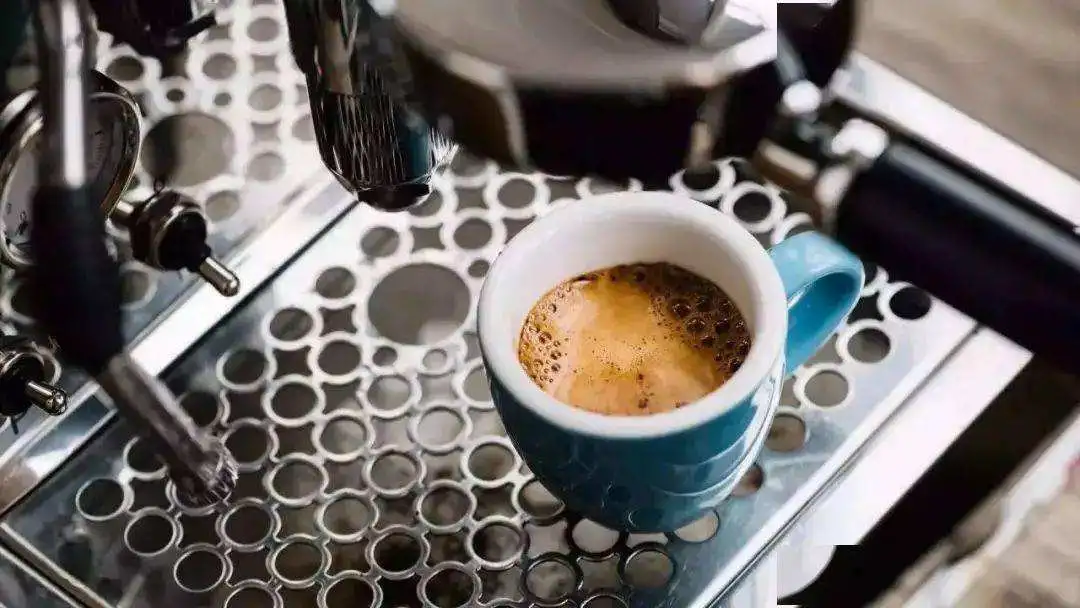
With improvements in technology, Milanese designer Luigi Bezzera, after acquiring the steam machine patent, made numerous innovations. He added a portafilter and basket, and by adjusting the grind size of the coffee, he allowed the coffee bed to be evenly compressed under high-pressure water flow, thereby enhancing extraction efficiency and flavor expression. Additionally, he introduced a cooling mechanism to prevent burnt and bitter tastes caused by excessively high water temperatures, and officially applied for a patent in 1901. What truly popularized this kind of coffee machine across Italy was the La Pavoni company, which, after obtaining the patent, launched the Ideale model and added a pressure relief valve and steam wand. These features made the extraction process more stable and allowed users to froth milk, laying the foundation for later specialty coffee drinks.
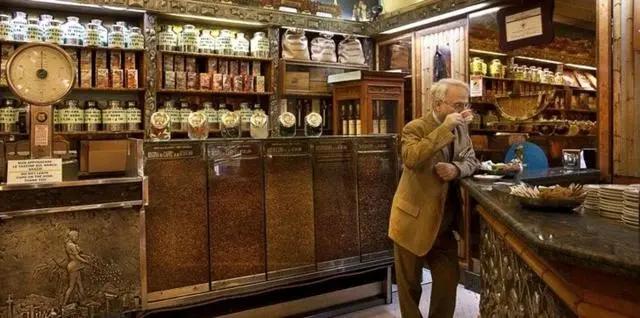
The Ideale model, launched in 1906, gradually brought espresso into the public eye and was officially included in the dictionary in 1920, defined as “espresso made using a pressurized machine or filter.” In the 1940s, Pier Arduino of Turin further improved the coffee machine by adding a manual spring-piston system, raising the extraction pressure from the original 1.5–2 bar to 8–10 bar, significantly increasing the coffee’s intensity and bringing it closer to the prototype of modern espresso. At the same time, he emphasized fine and uniform coffee grinding, which is crucial to extraction quality.
By 1961, the Italian brand Faema launched the E61 model coffee machine, which for the first time replaced the manual spring-piston mechanism with automated operation, greatly improving extraction stability and consistency. It became the world’s first semi-automatic espresso machine. With its simple operation, compact size, and affordable price, the E61 quickly became widespread in coffee shops across Italy and also shaped the unique social culture of Italians gathering in cafés to enjoy coffee together.
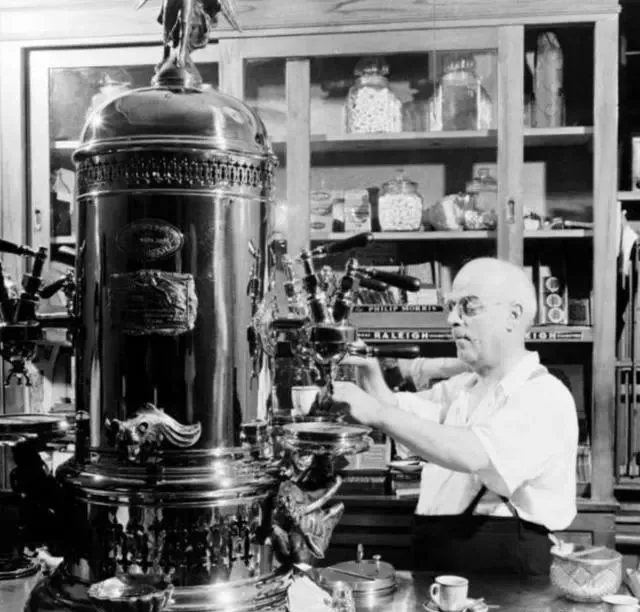
As time went on, coffee machine technology continued to advance. Starting in the 1970s, the Ulka company introduced semi-automatic coffee machines suitable for home use, freeing espresso from the confines of cafés. In 1987, Starbucks began mass purchasing commercial espresso machines, bringing this Italian-origin beverage to the global market and also making the espresso machine a standard fixture in coffee shops around the world.
Today, espresso has become an important element of global coffee culture, widely enjoyed not only in Italy but also in every corner of the world. Whether it’s a cup to energize a busy morning or the base for specialty drinks like lattes and cappuccinos, the influence of espresso is far-reaching. Even during the pandemic, this small cup of coffee remained an essential source of ritualistic comfort in the daily lives of many.
As early as 2016, Italy initiated the process of applying for espresso to be recognized as intangible cultural heritage, emphasizing that it is not just a beverage but a symbol of Italian culture and lifestyle. After years of effort, the application has now officially entered the approval process of UNESCO. The Italian Ministry of Agriculture, Food, and Forestry has also submitted the official nomination documents to UNESCO headquarters, marking the final stage of this application. Centinajo stated that he feels deeply honored to see espresso receive international recognition as one of the candidates for human intangible cultural heritage.
The above content is compiled by CoffeeHunters, a coffee news website.


