







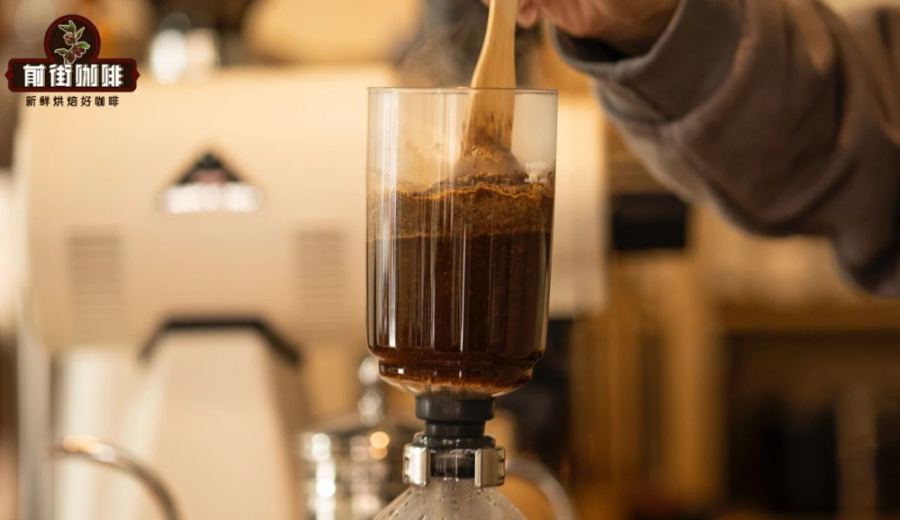
Introduction:Siphon coffee is renowned for its unique brewing method and rich flavor profile, combining scientific principles with hands-on enjoyment to win the hearts of coffee enthusiasts. This article delves into the invention history and naming origins of the siphon, as well as the bold bitterness and smooth texture brought by its high-temperature extraction. It also explores how using a filter or cloth filter can enhance flavor complexity, offering a comprehensive look at the charm of this classic coffee brewing device.
The appearance of the siphon coffee maker often reminds people of scientific instruments from 19th-century laboratories. Its classic design not only serves a practical purpose but also exudes a strong nostalgic vibe. Invented about two hundred years ago, this coffee device utilizes the vacuum siphon principle for extraction. The relatively high brewing temperature quickly releases the essence of the coffee, resulting in its distinctive rich flavor and pronounced bitterness, making it an ideal choice for coffee aficionados seeking bold tastes.
The prototype of the siphon can be traced back to the 1830s when S. Leoff in Berlin, Germany, invented the first glass vacuum pot. This innovative technology quickly spread across Europe and inspired numerous improved versions. By 1841, Madame Vassieux in Lyon, France, designed a siphon resembling the modern upright style and successfully patented it, establishing the fundamental structure of today’s siphon. Interestingly, it is said that the musician Beethoven used to personally select 60 coffee beans each morning and brew his coffee using a double-layered glass pot with a siphon-like structure. Though he passed away in 1827, this habit suggests that siphon-style coffee makers may have existed even earlier than documented.
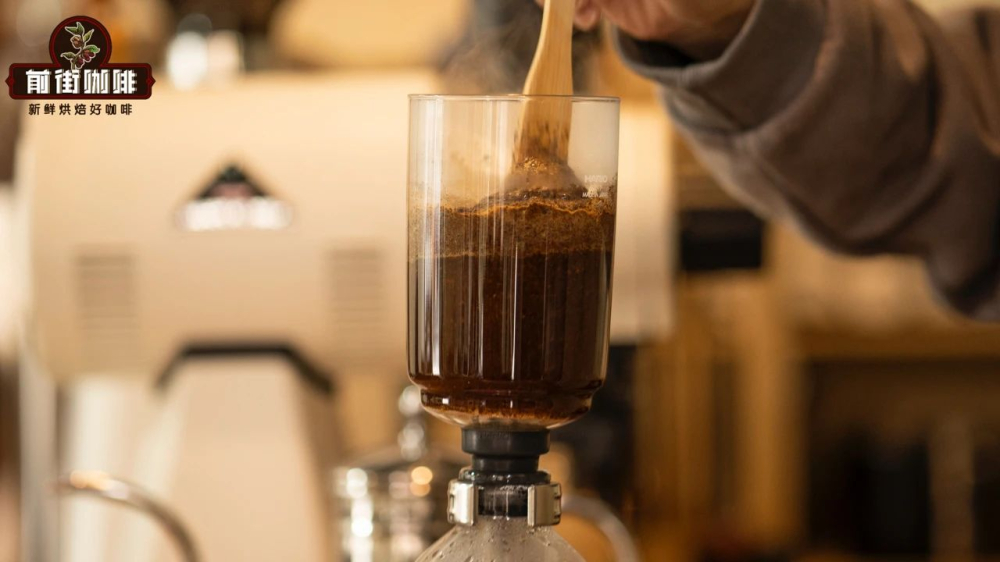
Another common name for the siphon is “赛风壶” (sai feng hu), with its English name being Syphon. Due to the similarity in pronunciation, it became widely known in Chinese-speaking regions. This name not only reflects the device’s scientific background but also adds a touch of exotic flair. Understanding the origin of this name helps gain deeper insight into the cultural meaning and historical roots of the siphon.
The operation of the siphon is based on thermodynamics and vacuum technology. The device consists of two glass chambers, connected by a tube. When the water in the lower chamber is heated to boiling, the steam pressure forces the hot water up through the tube into the upper chamber. At this point, finely ground coffee is added to the upper chamber, where it mixes with the hot water for extraction. Once the heat source is removed, the temperature in the upper chamber drops, creating a vacuum that pulls the brewed coffee back down through a filter or metal mesh filter and the tube into the lower chamber, completing the brewing process.
This unique brewing method gives siphon coffee distinct characteristics of high-temperature extraction, where flavor compounds are rapidly released in large quantities, resulting in a rich and noticeably bitter taste. Compared to pour over coffee, the siphon better highlights the bold qualities of coffee, making it suitable for those who prefer dark roasts or emphasize body.
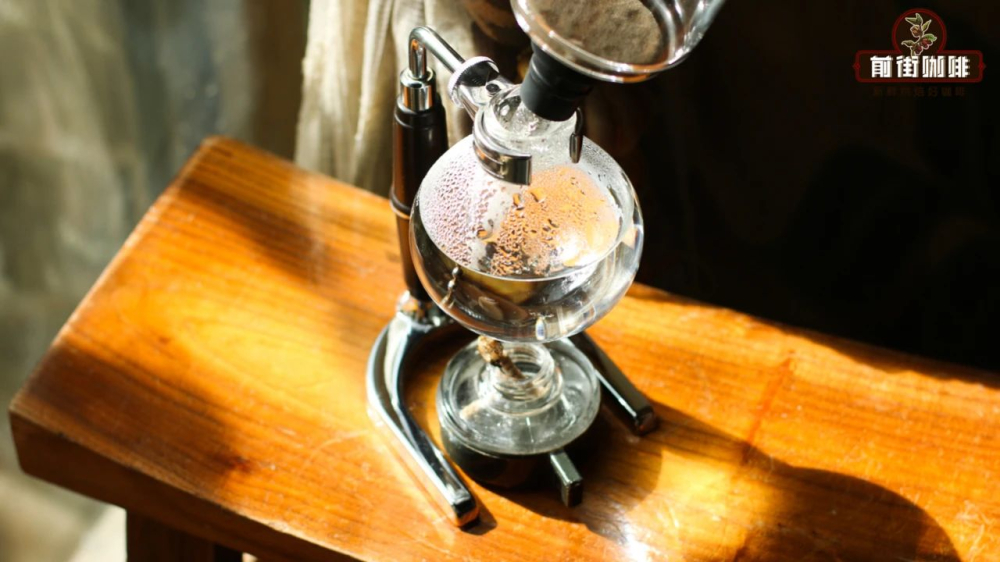
In terms of flavor, siphon coffee retains more coffee oils due to the use of cloth filters or metal mesh filters, thus delivering a smoother and fuller mouthfeel. A stainless steel filter effectively separates coffee grounds while preserving an appropriate amount of oil. Meanwhile, a cloth filter can capture more subtle flavor molecules, enriching the coffee’s complexity. However, cloth filters require regular cleaning and maintenance to prevent residual oils from affecting subsequent brews.
For beginners using a siphon, it is recommended to start by controlling flame intensity, mastering water temperature changes, and paying attention to grind size and other parameters, gradually getting familiar with the unique operating logic of this device. Whether as a fun challenge in home brewing or as an entry tool for understanding coffee science, the siphon offers a wealth of learning and tasting experiences.
The above content is compiled by CoffeeHunters, a coffee news website.


