







Introduction:Although drip bags are convenient, brewing them to a professional-grade flavor involves hidden nuances—from water temperature control and pouring techniques to timing your consumption. This article uses three popular drip bag coffees—Yirgacheffe, Brazilian Queen Estate, and Sidamo Huakui—as examples to break down expert-level brewing steps, while deeply analyzing how different processing methods affect flavor. We also provide real-tested flavor shelf-life data to help you find the golden moment for drinking.
Drip bags may seem simple to use, but if you want to brew a cup with distinct layers and balanced flavors, you actually need to carefully manage every aspect—from water temperature settings and pouring rhythm to the timing of drinking. This time, we’ll take three representative drip bag products—Yirgacheffe Guodingding, Brazilian Queen Estate, and Sidamo Huakui—as examples, to thoroughly explain the correct brewing process for filter-style drip bags. We’ll also debunk common questions such as “how long they can be kept after opening” and “when is the best time to drink them,” and analyze the differences in each flavor profile from the perspective of origin characteristics and processing techniques, so that your home brewing becomes more stable and outstanding.
[Drip Bag Coffee Selection Guide] The three drip bags selected this time each have their own unique features: First, we recommend a certain brand’s Yirgacheffe Guodingding, grown in Ethiopia’s renowned Gedeo Zone at high altitudes (1900–2300 meters), processed by the Guodingding Cooperative using the washed method on local native beans. It delivers a bright citrus tone with berry and green tea undertones, and an acidic brightness as lively as lemon soda. Next is the medium-dark roasted Brazilian Queen Estate, using the Yellow Bourbon variety hand-picked at the Mogiana region (1400–1950 meters). Sun-dried processing gives it a rich base of black chocolate, cream, and nuts, paired with sugarcane sweetness and a clean aftertaste, suitable for drinkers who prefer a bold flavor. Lastly, there’s the 2017 TOH Sun-Dried Group Champion Huakui, from Sidamo (2250–2350 meters) native beans, introduced by a certain trading company. With sun-dried processing, it locks in the rich aromas of strawberry cream, honey, and black tea, featuring layered berry tartness and floral tea aftertastes. It’s a competition-grade option with an exceptionally outstanding flavor performance.
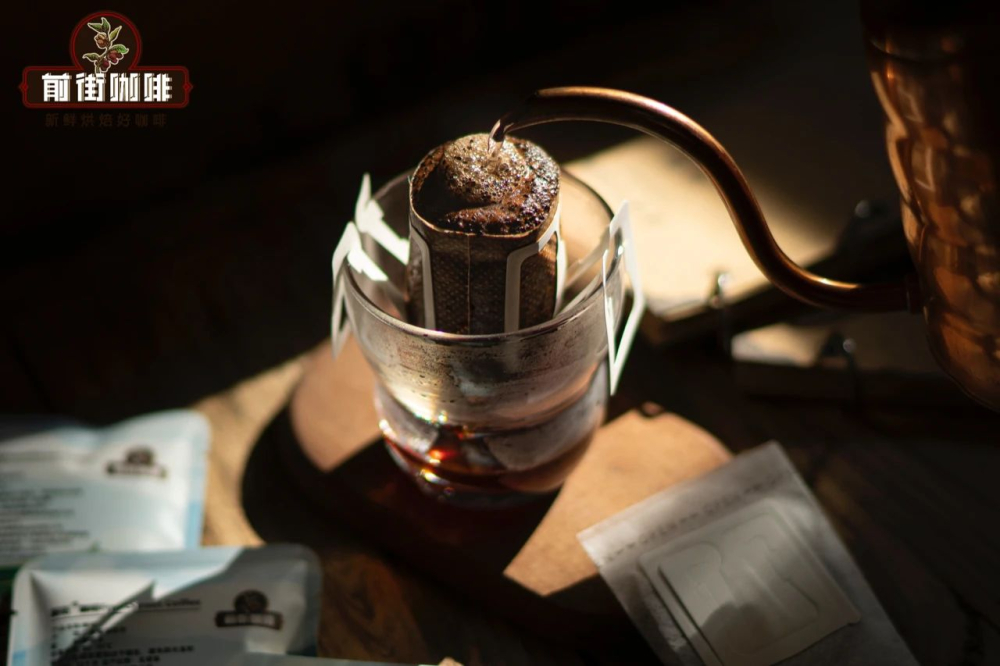
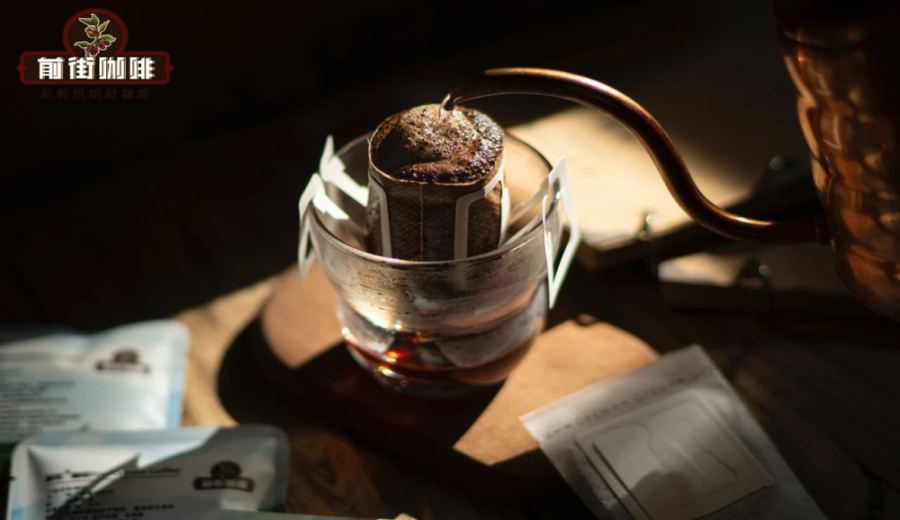
For actual brewing, let’s take Yirgacheffe Guodingding as an example: prepare clean utensils (a sharing pitcher or a drinking cup both work), a gooseneck kettle, and hot water at 90–93°C (Note: Water that is too hot can amplify bitterness and astringency, while water that is too cool may lead to under-extraction of flavors). After opening the sealed package, tear along the dotted line to open the non-woven fabric drip bag, pull the two “ears” outward, and hang them on the edge of your container to secure. For the first step, pour a small amount of hot water (about 30 ml) to evenly wet all the coffee grounds, then let it bloom for about10–15 secondsto release carbon dioxide. Then proceed with a steady stream of fine water, keeping the total water volume between 150–180 ml (adjust according to personal strength preference), using a “center-outward then back to center” spiral path to avoid directly hitting the edge of the filter paper. When the liquid level drops to the surface of the coffee bed, continue pouring until full, then wait for all the coffee to drip through before gently stirring and enjoying.
Regarding the best time to drink, it’s important to clarify the difference between “expiration date” and “optimal flavor period.” Although roasted coffee beans are often labeled with a shelf life of 1–2 years, flavor compounds actually begin to slowly degrade after roasting. Real tested data shows that, from the date of roasting, drip bag coffeetastes best within approximately 20–30 days—during this stage, you can still distinctly experience bright acidity, fruity notes, and sweetness. If more than three weeks have passed, although the basic flavors (bitterness, sweetness, saltiness) remain, aromatic notes such as citrus and floral scents will noticeably fade. Special reminder: drip bags are pre-ground coffee, meaning the coffee has much greater exposure to air. As a result, carbon dioxide and volatile aromatic compounds dissipate faster, so it’s recommended to consume them soon after opening to prevent prolonged storage from degrading the flavor.
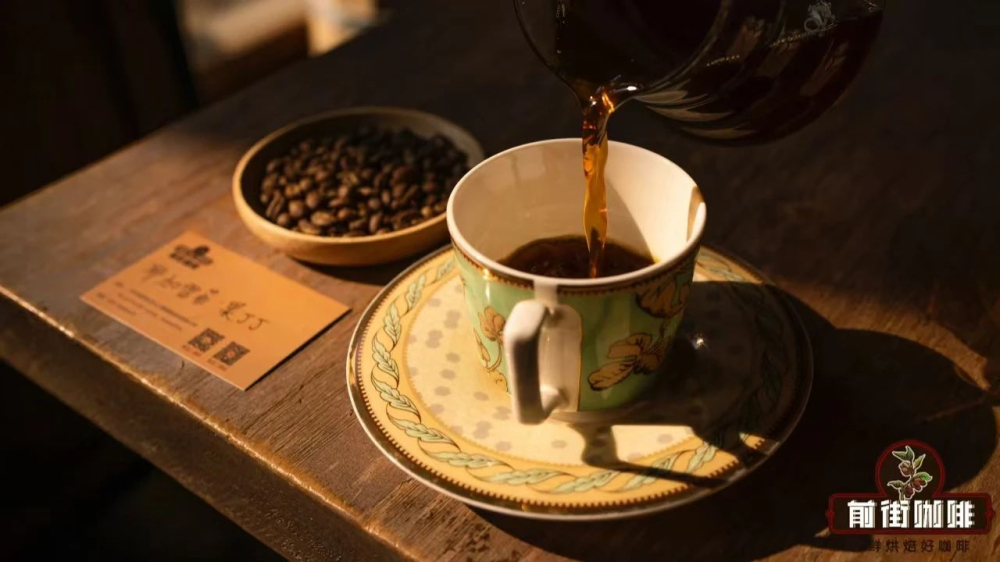
Why does a certain brand emphasize “finish drinking within 20 days of receipt”? Because every step from roasting to grinding and bagging affects the final flavor. When made on-site, efforts are made to minimize the time coffee grounds are exposed to air, reducing aroma loss. But once consumers purchase them, factors like a humid or hot storage environment can accelerate flavor deterioration. If you buy large packs of drip bags, it’s advisable to divide them into smaller portions based on your drinking frequency and store them in a cool, dry place (avoid direct sunlight and environments with extreme temperature changes like near the fridge), to maintain the best drinking condition.
The above content is compiled by CoffeeHunters, a coffee news website.


