








Introduction:As the world’s largest coffee-producing country, Brazil is often misunderstood as growing “ordinary” beans. This article takes you deep into the official grading standards of Brazilian coffee beans—from the NY.2 classification, 18-mesh sieve, to the Good Cup cupping requirements—to analyze why these beans offer great value for money while maintaining balanced flavors. Through real-life examples, we’ll also explore consumer misconceptions about coffee pricing, providing practical advice on choosing Brazilian beans for pour over brewing, along with flavor profile references to help you find your own Brazilian coffee experience.
In the global coffee supply chain, Brazil has always played a pivotal role—not only leading in production but also serving as an indicator for market prices. However, many coffee enthusiasts still perceive Brazilian beans as merely “affordable commercial-grade,” even believing their flavors are less exciting compared to other origins. In fact, the value of Brazilian coffee is often underestimated, especially in the pour over segment—when the right grade and roast level are chosen, it can also deliver surprisingly layered taste experiences.
Looking back at the development trajectory of China’s coffee market—from the early popularity of instant coffee to the rise of fresh-ground culture—consumers’ pursuit of quality has gradually shifted from “just having coffee” to “enjoying better coffee.” Throughout this transformation, discussions about coffee bean evaluation criteria have become increasingly diverse, with price, flavor performance, and professional cupping scores being the three most frequently mentioned metrics. Interestingly, many people still intuitively believe that “higher price equals higher quality,” yet overlook the complex factors behind the price, including origin grade, processing costs, and market positioning.

Regarding what constitutes a “good coffee bean,” the industry generally refers to the grading system established by the SCA (Specialty Coffee Association) as a benchmark. According to the standard, when evaluating a 350g sample of green beans, no Class 1 defects are allowed, Class 2 defects must be limited to five or fewer, and the beans must pass standard cupping evaluation. Only those scoring 80 points or above can be classified as specialty coffee beans; anything below this threshold—even just 0.25 points lower—is considered commercial-grade. But does such a small score difference really result in a significant flavor gap? In reality, many commercial beans, due to their stable flavor profiles and affordable prices, remain excellent choices for everyday drinking.
The impact of price on consumer psychology often exceeds expectations. A coffee brand once shared an interesting anecdote: the same coffee beans, priced at around 30 RMB per 100g, were rated by most people as offering “good value for money” when their actual price was undisclosed. However, when the price was adjusted to 100 RMB, they received high praise such as “bright acidity” and “long-lasting aftertaste.” Though this was an informal test, it clearly reflects how price perception can influence taste judgment. In fact, many reasonably priced coffee beans, as long as they meet specific grade standards, can also showcase satisfying flavor characteristics.
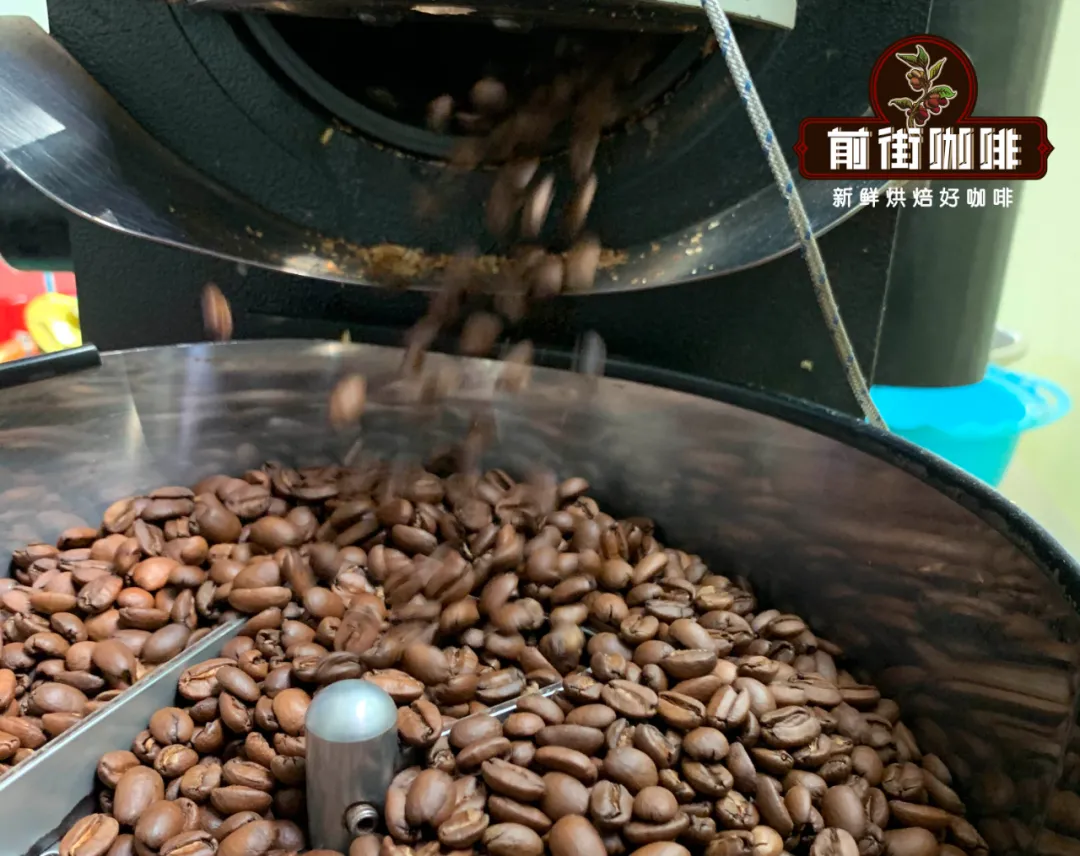
Focusing on the grading system for Brazilian coffee beans, the most frequently mentioned NY.2 standard represents a comprehensive evaluation of bean size, defect rate, and cup quality. The “18-mesh” sieve size (approximately 8mm) ensures plump and uniform beans, reducing the proportion of broken or overripe beans. Meanwhile, the Good Cup evaluation refers to a balanced ratio of acidity, sweetness, and bitterness during cupping, with no obvious off-flavors. Notably, these standards do not aim for extremely prominent flavor characteristics but emphasize stability and harmony—making them highly suitable for pour over enthusiasts who prefer mild-tasting coffees.
Taking commonly available Brazilian everyday beans on the market as an example, many products, despite being priced at just 25 RMB per 100g, strictly adhere to the NY.2 grade specifications, using 18-mesh screening and Good Cup cupping standards. After moderate roasting, these beans typically exhibit flavors characterized by low acidity, medium body, and notes of nuts and chocolate—making them suitable for single-origin pour over or as a base for blends. For consumers new to pour over brewing, these affordable yet quality-stable options not only lower the barrier to entry but also help in understanding the basic flavor profile of coffee.

When selecting Brazilian coffee beans, it’s recommended to pay attention to the following practical parameters: First, confirm whether the green bean grade meets the NY.2 standard; second, note the sieve size (18-mesh is a common premium choice); and finally, refer to the roaster’s cupping report to see if its flavor descriptions include keywords such as “balanced,” “medium body,” or “nutty tones.” Additionally, the roast level significantly affects the final flavor—light to medium roasts highlight the nutty and caramel aromas of Brazilian beans, while medium to dark roasts enhance body and chocolate notes. Consumers can adjust based on their personal taste preferences.
In summary, the charm of Brazilian coffee beans lies in their “extraordinary ordinariness”—there’s no need to chase extreme high scores or intense flavors. Their stable and harmonious characteristics actually better showcase the nuances of pour over brewing skills. Whether as a daily staple or a starting point for exploring different origin flavors, Brazilian beans that meet grade standards can deliver unexpectedly satisfying experiences. The next time you sip a cup of affordable Brazilian pour over, you might realize that the definition of good coffee has never been solely about its price.
The above content is compiled by CoffeeHunters, a coffee news website.


