







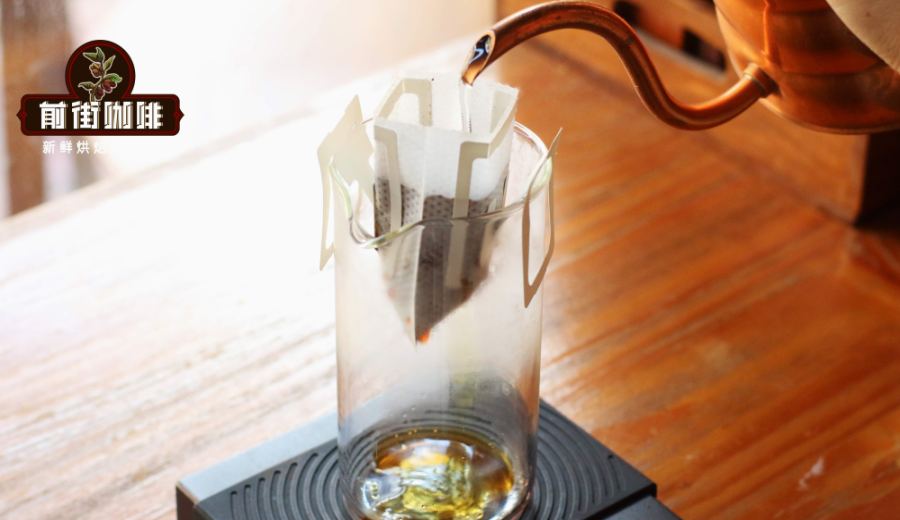
Introduction:Drip bags offer both convenience and flavor, making them a popular choice for daily use or travel. But do you know what water temperature to use when brewing drip coffee? How long should the total extraction time be for the best results? What kind of cup and water volume will not affect the taste? This article explains the principles of drip bag brewing in detail, helping you master the coffee-to-water ratio, staged pouring, and temperature control. We also recommend five popular seasonal drip bags, ranging from fruity and floral profiles to nutty and chocolatey notes, so you can find the one that suits your taste best.
Because of their ease of use and ability to deliver the aroma of freshly ground coffee, drip bags have become an ideal choice for many coffee lovers on the go or in the office. However, to brew a drip bag with balanced flavor and excellent mouthfeel, in addition to choosing the right coffee beans, factors such as water temperature, brewing time, water volume, and cup selection are crucial.
Drip bags actually share a similar brewing principle with pour over methods — both involve slowly passing hot water through a bed of coffee grounds to extract their aroma and flavor. Mastering the correct brewing technique not only enhances overall flavor but also helps avoid common issues like over-extraction or under-extraction.
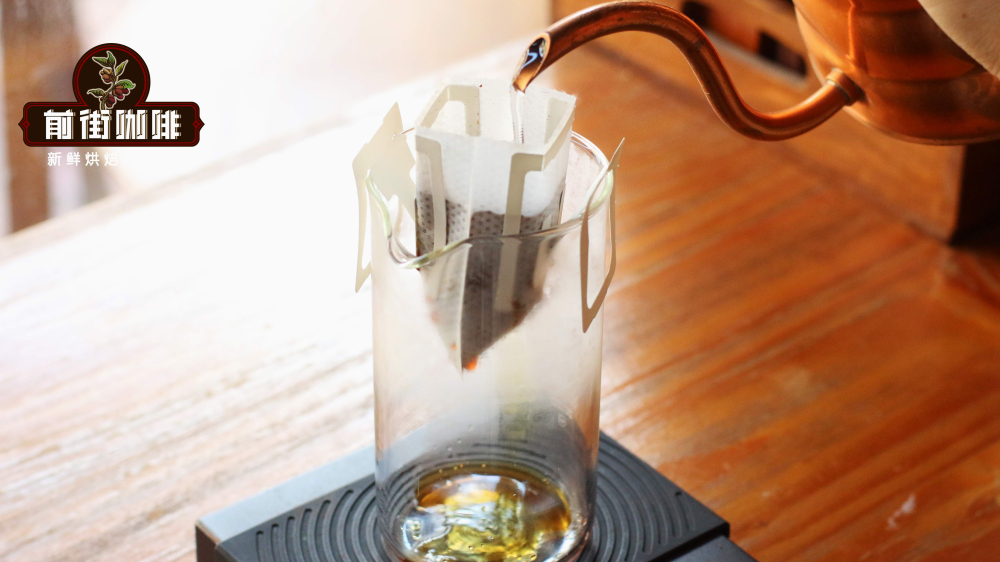
Most drip bags contain 10 grams of coffee grounds. Following the commonly used coffee-to-water ratio of 1:15, you’ll need approximately 150 milliliters of hot water. It’s generally recommended to divide the entire brewing process into 2–3 pours, keeping the total extraction time within1 minute and 20 seconds to 2 minutesto help fully release the layered flavors of the coffee without making the taste overly strong or thin.
Many people mistakenly think that drip bags can just be steeped like tea bags, but in fact, the choice of water temperature greatly affects the extraction result. For light to medium roasted coffee beans, a water temperature of90–93°Cis suitable, as it highlights floral, fruity notes, and acidity. For medium-dark to dark roasted beans, it’s recommended to use86–89°Cto bring out caramel, nutty, and chocolatey tones. Letting boiled water sit for about60–90 secondscan lower the temperature to around 92–95°C, while letting it sit for90–120 secondswill bring it down to approximately 87–90°C, suitable for drip bags with different flavor profiles.
Choosing the right cup also impacts the final taste. It’s recommended to use atall glass or ceramic mug with a height of over 12 cm and a mouth diameter of less than 9 cm, as this helps the coffee flow evenly and avoids re-immersion or over-steeping, which can lead to bitterness. If the cup is too shallow or wide, the coffee grounds may be re-soaked, resulting in a heavy or even burnt flavor.
In terms of water volume, based on the commonly used pour over coffee-to-water ratio of 1:15 to 1:18, you typically need 150–180 milliliters of hot water. If you prefer a stronger taste, you can do a three-stage pour: first pour a small amount to wet the coffee grounds, let it sit for about 20 seconds, then pour twice more to near full, with a total time of about 1 minute and 30 seconds and a total water volume of around 140–160 milliliters. If you want a lighter and fresher taste, you can add an additional pour to reach a total of 200 milliliters, resulting in an overall smoother and more layered flavor.
Additionally, before brewing, you can gently shake the coffee grounds inside the drip bag to distribute the grounds more evenly, which helps achieve consistent extraction. When pouring, try to maintain a stable water pressure and flow rate, avoiding pouring too much on one side or having inconsistent water flow. Otherwise, it may cause uneven extraction, leading to flavor imbalance, sharp acidity, or unpleasant bitterness.
If you’d like to try drip bags with different flavor profiles, here are five popular seasonal options, each with unique characteristics to suit different taste preferences:
1. Natural G1 Huaguai Drip Bag
After 21 days of raised bed natural processing, it showcases complex notes of tropical fruits like mango and jackfruit, along with citrus, honey, and floral tones. It has a bright sweet-and-sour profile with a honeyed finish.
2. Yirgacheffe Guodingding Drip Bag
With a solid flavor profile, it emphasizes fermentation aromas and tropical fruit notes. As it cools, you can detect berry and cream aromas, with a lingering citrusy sweet-and-sour finish.
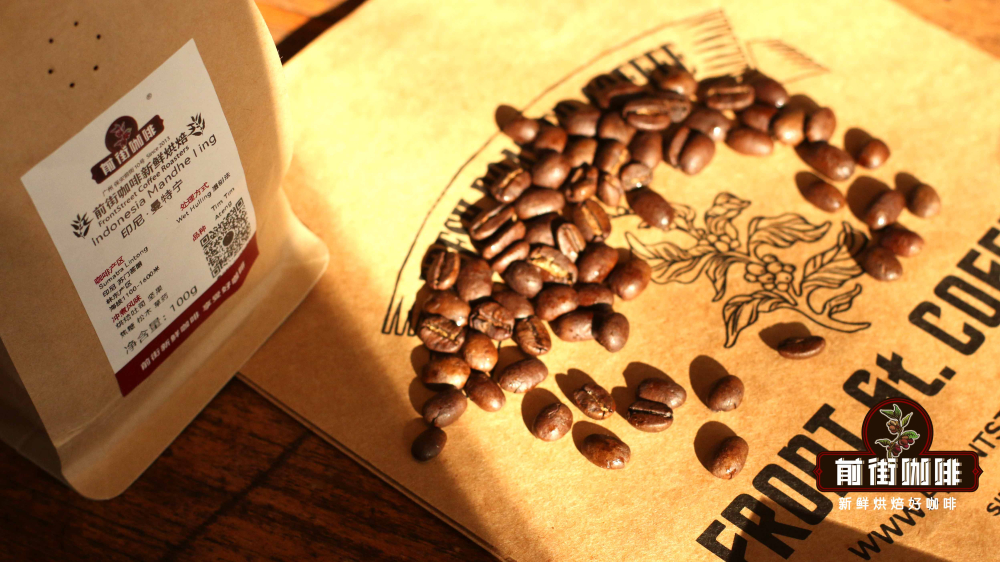
3. Indonesian Mandheling G1 Drip Bag
It features a rich base of herbal and spicy notes paired with sweet undertones of caramel, nuts, and dark chocolate. It has low acidity, is full-bodied, and carries a wild flavor character.
4. Yunnan Peaberry Drip Bag
As one of the representatives of domestic specialty coffee, this medium roast highlights nutty, herbal, and chocolate flavors. It has a smooth mouthfeel with a slightly tangy aftertaste.
5. Brazilian Cerrado Red Bourbon Drip Bag
Medium roasted, it offers a balanced taste dominated by nutty aromas, with neither strong bitterness nor acidity, making it suitable for drinkers who prefer a mild and well-rounded cup.
The above content is compiled by CoffeeHunters, a coffee news website.


