







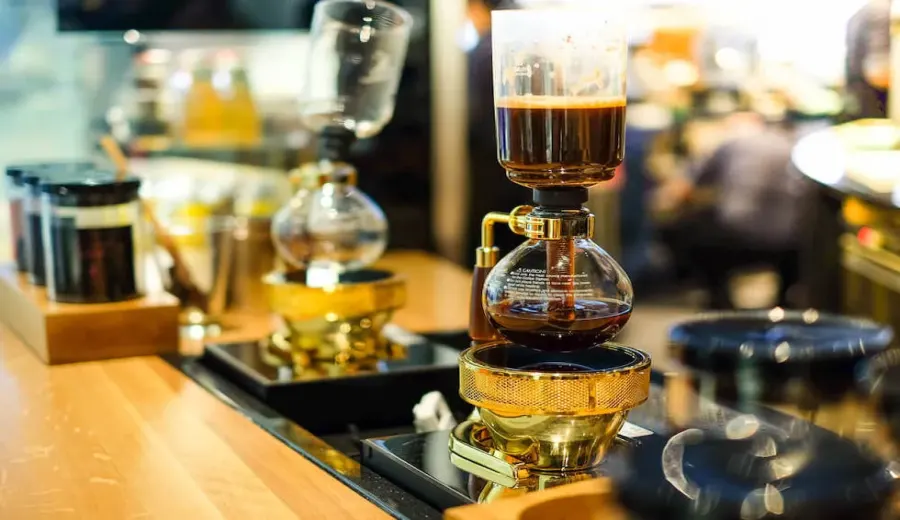
Introduction:Siphon coffee, with its unique brewing method and visual appeal, has become a classic brewing device cherished by many coffee enthusiasts. This article delves into the evolution of the siphon, recommended extraction parameters including grind size, coffee-to-water ratio, time control, and stirring techniques, and compares it with pour over coffee to help you master this ritualistic brewing method.
As one of the historically significant coffee brewing tools, the siphon’s operating principle and visual effect have always captivated many. Not only can it stably extract coffee with layered flavors, but it also allows one to witness the focus and craftsmanship of the barista during the process. This article will take you through the historical background of the siphon, practical brewing parameters, and its role and challenges in modern coffee culture.
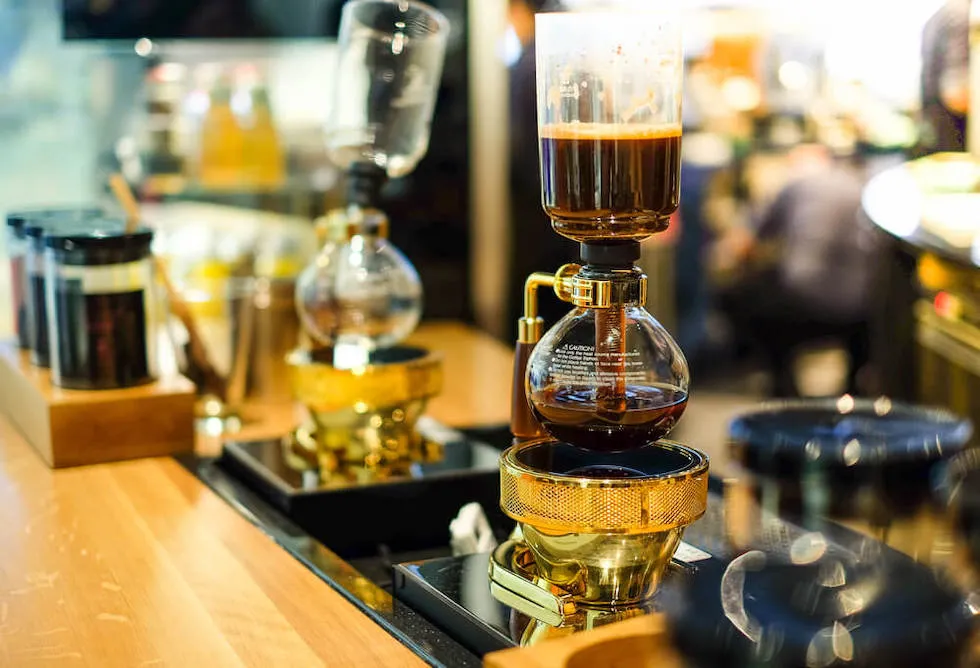
The history of the siphon can be traced back to the mid-19th century, more than a century earlier than the popularization of pour over coffee. Although early versions of the siphon were not yet refined, by the 1840s, Madame Vassieux of France improved upon its design, creating a more upright form resembling modern siphons. Later, between 1924 and 1925, Japan’s KONO Company introduced its own version of the siphon, a design that became the foundation for many subsequent siphon models and had a profound influence on siphon culture in East Asia.
The siphon’s popularity in Japan and later in Hong Kong, Macau, and Taiwan is inseparable from the local coffee culture. Japanese-style coffee emphasizes concentrated aroma and rich body, and the siphon is well-suited to highlight the intensity and layers of coffee flavor. This style spread to Hong Kong, Taiwan, and mainland China through cultural exchange, becoming a shared coffee memory for many.
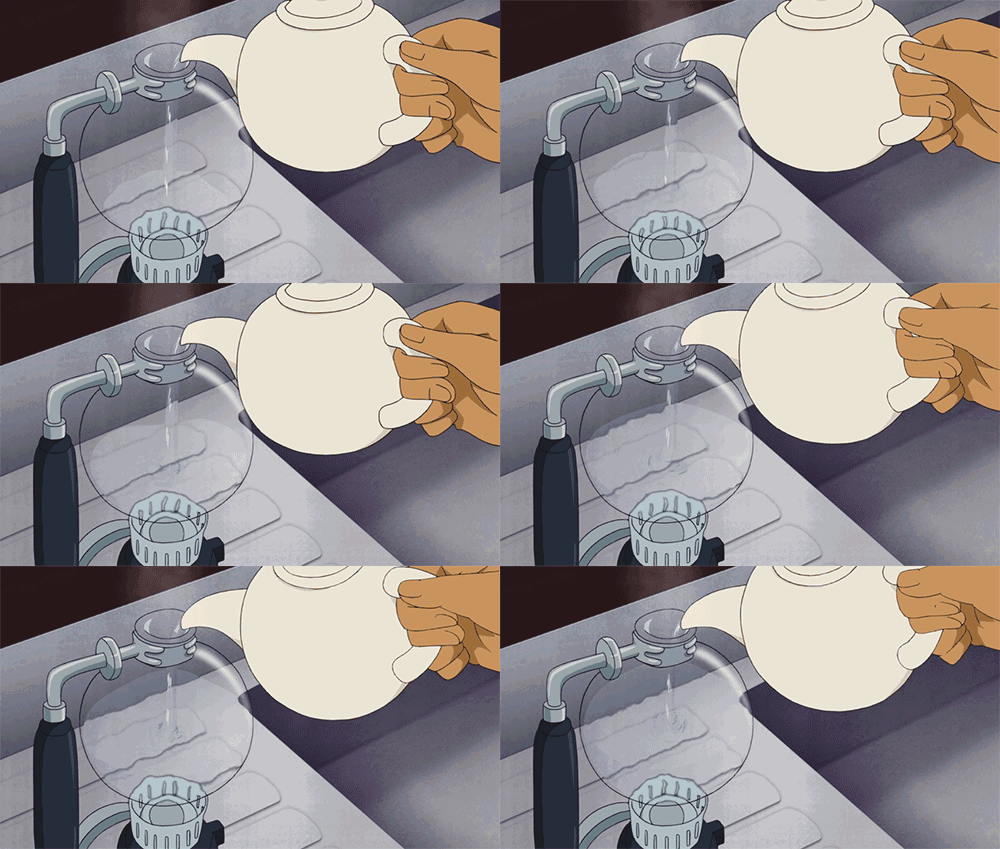
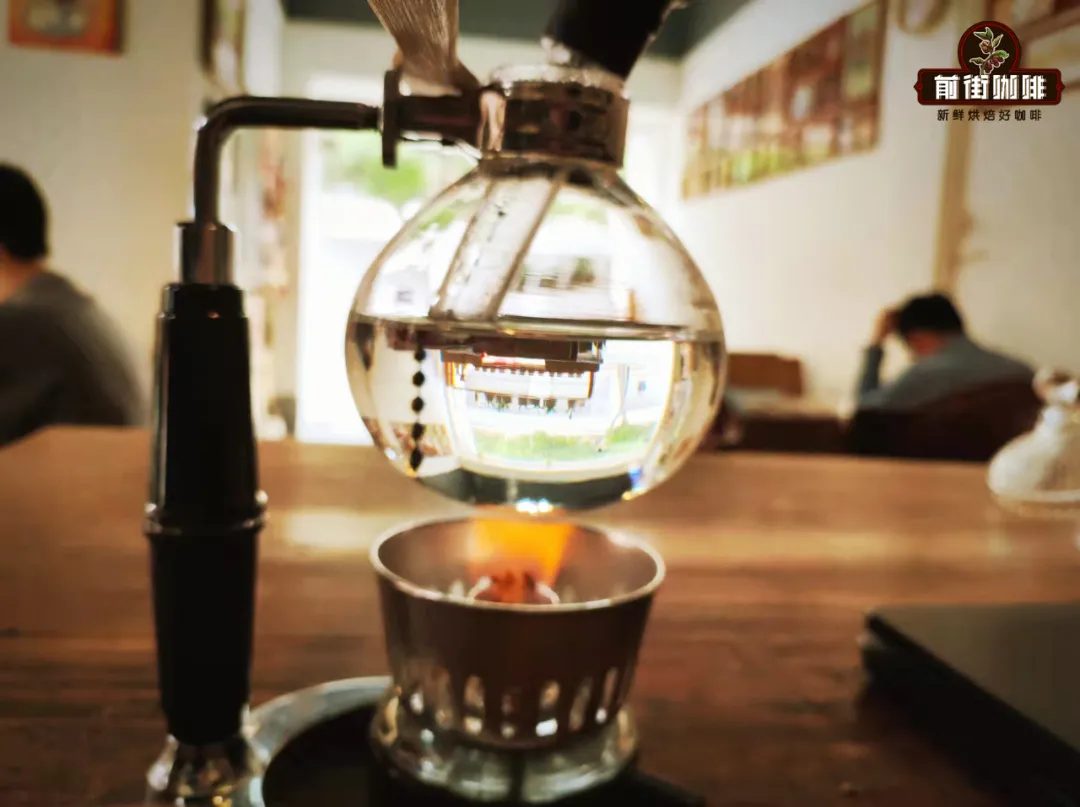
The sense of ritual during the siphon brewing process is another reason for its enduring appeal. Turning on the heating source, watching the water gradually heat up and rise to the upper chamber under steam pressure, adding coffee grounds and evenly mixing them with a stirring wand, then turning off the heat and observing the coffee slowly flowing back into the lower chamber — the whole process resembles a small coffee ceremony, both relaxing and fascinating. In addition, compared to other professional equipment, the siphon has a relatively low learning curve, which is why many coffee lovers and even regular households choose to own one to enjoy the pleasure of brewing their own coffee.
Taking common home or café use as an example, the recommended siphon brewing parameters are as follows: first, the grind size should be finer than pour over, approximately around 90% passing through a #20 sieve, which helps achieve full extraction. The coffee-to-water ratio is generally set at 1:12, meaning that for a two-person serving, you can use 20 grams of coffee grounds with 240 milliliters of water. The overall brewing time is recommended to be controlled between 50 to 60 seconds.
In terms of specific steps, once the water in the lower chamber is drawn up to the upper chamber, you can add the coffee grounds and use the stirring wand to evenly press the coffee bed into the water, ensuring every coffee particle is wetted. Around the 25-second mark, it is recommended to perform a stir for about 7 seconds to create a three-layer structure: an upper layer of oils, a middle layer of coffee grounds, and a lower layer of water. This helps ensure more even extraction later on. At around the 55-second mark, turn off the heat source, and perform a final light stir for 5 seconds just before the coffee begins to flow back down. Then, wait for the coffee to completely return to the lower chamber — and the brewing is complete.

So, is siphon coffee outdated? Not entirely. Although the first Japan Siphon Championship was held by the Specialty Coffee Association of Japan (SCAJ) in 2003 and expanded to the World Siphon Championship (WSC) in 2009, showcasing a golden period for the siphon in East Asia, its international influence still remains niche compared to competitions like the World Barista Championship or the World Brewers Cup.
Industry analysis suggests two main reasons for the decline in the siphon’s status. First, today’s mainstream coffee flavors lean toward bright fruit and floral notes, especially from light roasts, whereas the siphon is less effective at highlighting these delicate and explosive aromas. In contrast, pour over better showcases such flavor characteristics. Second, pour over offers greater convenience in operation and ease of cleaning, especially in high-volume café settings, making the siphon gradually fade from the mainstream commercial market.
However, the charm of the siphon has not disappeared. Beyond traditional coffee brewing, some coffee enthusiasts have discovered its “alternative uses,” such as using it to cook instant noodles — though opinions on the flavor may vary, the visual effect certainly adds a fun twist. Others have tried using it to heat dishes, such as Tom Yum soup, showcasing the siphon’s creative potential in the kitchen.

The above content is compiled by CoffeeHunters, a coffee news website.


