








Introduction:South Korea has implemented a disposable paper cup deposit policy since June this year. Consumers are required to pay an additional deposit of 200 to 500 KRW when purchasing beverages, which is fully refundable upon returning the cup. This measure is part of the government’s efforts to reduce plastic pollution, with plans to extend the policy to disposable plastic bags in convenience stores and bakeries in November. This article explains how the policy is being enforced, the reasons behind it, as well as international precedents and hygiene considerations, helping readers stay informed about the latest environmental regulations and practical tips.
Coffee lovers in South Korea have recently faced multiple adjustments, from Starbucks raising its prices to the government tightening plastic restrictions. Now, even disposable paper cups are being regulated. According to the latest rules, starting from June this year, coffee shops and fast food restaurants in South Korea that provide disposable paper cups will require customers to pay an additional200 to 500 KRWdeposit along with the cost of the drink. Customers can get this deposit back after finishing their beverage and returning the cup.
The implementation of this policy is divided into two phases: the first phase began in June, applying the paper cup deposit system to coffee shops and fast food restaurants; by November, the scope will be further expanded,with convenience stores and bakeries completely banning the provision of disposable plastic bags. This measure aims to reduce the use of single-use plastic and paper containers and alleviate the country’s waste accumulation problem.
The reason South Korea has introduced such a strict anti-plastic policy is mainly due to disruptions in international shipping, which have prevented previously exportable waste from leaving the country, leading to a buildup of waste domestically. To reduce waste from single-use items at the source, the government has decided to enforce a deposit system to encourage people to return used paper cups.
In fact, the Korean coffee industry has made similar attempts before. In 2021, Starbucks launched a reusable coffee cup program in its U.S. stores, where customers could opt to pay an extra1 USD depositfor a reusable cup, which would be refunded upon return. In the same year, Starbucks also initiated the “Cup Loop” program in South Korea, allowing customers to obtain reusable cups by paying a small deposit, which is also refundable upon return.
However, this seemingly eco-friendly policy sparked considerable discussion during the pandemic. As of mid-January this year, South Korea reported over 4,000 new COVID-19 cases per day, with cumulative cases exceeding 700,000. Epidemic experts predict that the Omicron variant may become the dominant strain this week. Against this backdrop, the hygiene and safety of deposit cups have become a major public concern.
Regarding the recycling process, reports indicate that returned disposable paper cups are handled by professional recycling companies. Taking Starbucks’ previous trial as an example, these cups undergoprofessional cleaning and disinfectionbefore being reused. Nevertheless, some consumers remain skeptical about hygiene issues, believing that such measures carry relatively high risks amid the ongoing pandemic.
The implementation of the new policy is bound to change the purchasing habits of many coffee enthusiasts. For those who frequently take away coffee, in addition to adapting to the extra deposit payment process, they also need to pay attention to the channels and deadlines for returning cups to ensure their deposits are successfully refunded. Meanwhile, businesses also need to adjust their service procedures to ensure the smooth operation of cup recycling and refund mechanisms.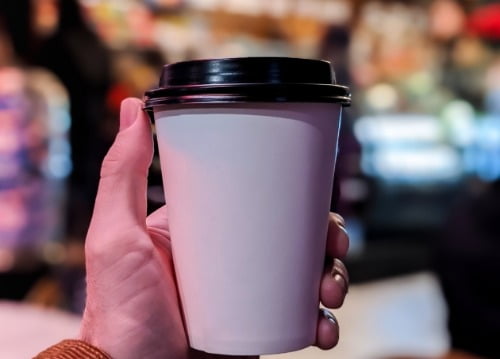
How to strike a balance between environmental protection and hygiene remains a focal point of debate. This new policy not only affects the daily habits of South Korean consumers but also provides a reference case for global plastic reduction efforts. Whether more countries will follow suit with similar measures is worth continued observation.
The above content is compiled by CoffeeHunters, a coffee news website.


