







Introduction:The new-style tea beverage market is fiercely competitive among brands, making trademark protection a crucial aspect of brand development. Tea’s Fan and Mixue Ice Cream & Tea once jointly filed an opposition against the trademark "Tea’s Smile & Ice" (茶颜冰城), but the application was ultimately rejected by the National Intellectual Property Administration, which allowed its registration. This article delves into the details of the incident, the historical background of copycat brands, and explores the challenges faced by the new tea beverage industry between innovation and imitation, helping readers understand the importance of trademark protection.
As public awareness of intellectual property rights continues to grow, disputes over trademarks among brands remain frequent. Particularly in the new-style tea beverage sector, well-known brand trademarks are often targeted for imitation. In this case, the names of two popular beverage brands—Tea’s Fan and Mixue Ice Cream & Tea—were mimicked by a new trademark called "Tea’s Smile & Ice," which was ultimately approved for registration.
The incident began when "Tea’s Smile & Ice" was published in the preliminary examination bulletin. Both Tea’s Fan and Mixue Ice Cream & Tea filed oppositions, claiming that the trademark copied and imitated their registered brands and could easily cause consumer confusion. However, after review by the National Intellectual Property Administration, it was determined that the existing evidence was insufficient to prove similarity between the marks. Therefore, in accordance with relevant provisions of the Trademark Law, the registration application for "Tea’s Smile & Ice" was approved.
In fact, this is not the first time Tea’s Fan has faced issues with brand imitation. As early as 2015, a brand with a similar style, "Chali Yishi," emerged. The packaging and product designs of the two were nearly indistinguishable, leading to confusion among consumers at one point. This time, "Tea’s Smile & Ice" not only has a name similar to Tea’s Fan and Mixue Ice Cream & Tea, but also attempts to walk a fine line in brand positioning, attracting the consumer base originally belonging to those brands.
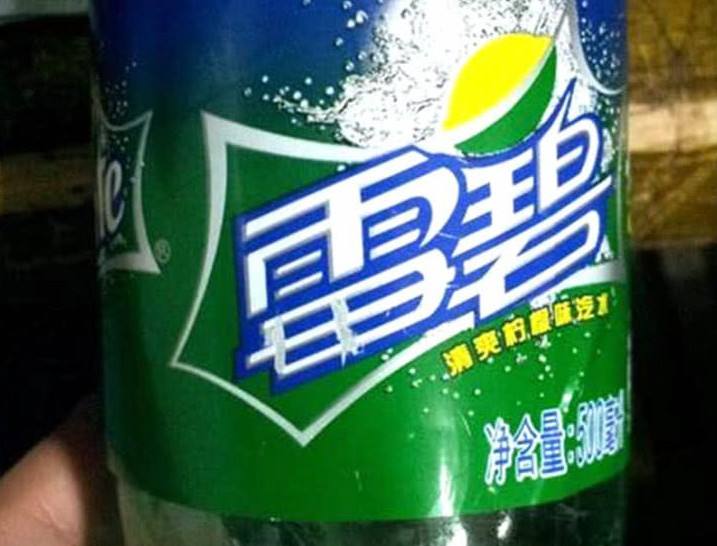
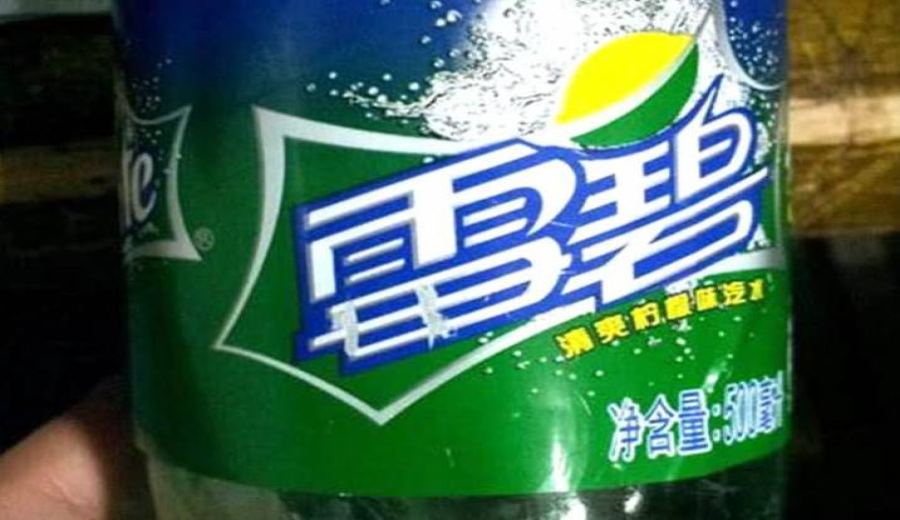
Looking back, the culture of copycat brands is nothing new in the Chinese market. From beverages—such as "Lei Bi" (fake Sprite) and "Yun Bi" (fake Yunyi)—to snacks, daily necessities, and various other products, many brands have encountered imitation. Interestingly, the term "shanzhai" (copycat) originally emerged in Shenzhen in the 1990s, where some manufacturers replicated international brand mobile phones but, out of fear of revealing the true origin, only printed "SZ" on them. Over time, consumers jokingly referred to these as "shanzhai phones," and the term later extended to all kinds of counterfeit goods.
In the tea beverage market, similar imitation phenomena are also rampant. For example, the well-known milk tea brand COCO, has seen variants such as "Coco AMY," "COCO TALE," and "COCO miller" appear on the market. These names are extremely similar to the original, making it easy for consumers to mistake them for part of the official chain.
The "Tea’s Smile & Ice" trademark was officially submitted for application in June 2020, intended for use in Class 32 (such as beer and non-alcoholic beverages) and Class 30 (such as tea, coffee, candies, and other convenience foods). It was finally registered and announced on December 21, 2021, with the exclusive right valid until February 13, 2031. This means that the trademark will enjoy legal protection for nearly a decade, and other brands will not be allowed to operate related businesses under the same or similar names without authorization.
Although Tea’s Fan and Mixue Ice Cream & Tea jointly filed an opposition, they ultimately failed to change the outcome. At present, although "Tea’s Smile & Ice" has been successfully registered, whether it will actually open physical stores remains unknown. However, it is certain that such highly imitative business practices of well-known brand names may have negative impacts on consumer trust and long-term brand development. For consumers, while some may try copycat brands out of curiosity, the quality and innovation of the product itself are the key factors in determining whether a tea beverage brand can sustain its operations.
This incident also serves as a reminder to all emerging brands that trademark registration and rights protection should be incorporated into planning from the early stages of brand establishment, to avoid potential long-term legal disputes or market confusion in the future. At the same time, brand operators should pay more attention to product research and development and customer experience to stand out in a highly competitive market.
The above content is compiled by CoffeeHunters, a coffee news website.


