







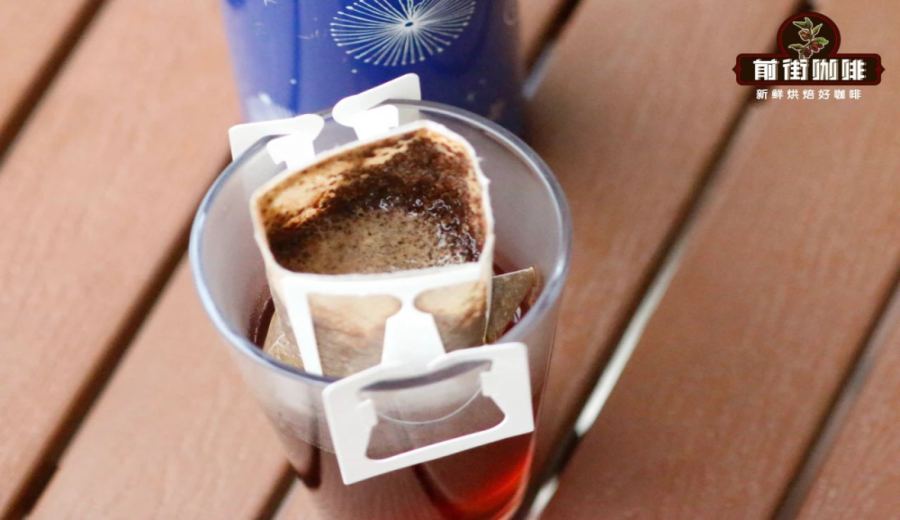
Introduction:Is drip bag coffee considered pure black coffee? What are the long-term health benefits and potential concerns of drinking it regularly? This article delves into the definition, origin, and extraction characteristics of drip bag coffee, compares it with pour over and freshly ground coffee, and provides guidance on selecting beans based on flavor profiles such as fruity and bright, rich and nutty, or bold and wine-like. This helps readers make suitable choices according to their taste preferences and usage scenarios.
Is drip bag coffee considered pure black coffee? The answer is yes. Drip bag coffee consists of pre-ground coffee packed in a filter bag. Hot water is poured through to extract the flavors, resulting in a cup of pure black coffee without added sugar or milk. You can enjoy it as is or customize it by adding milk according to your preference. A typical drip bag contains about 10 grams of coffee grounds, yielding approximately 130 to 150 milliliters of brewed coffee—just the right amount for one person’s daily consumption.
The concept of drip bag coffee originated in Japan. As early as 1990, Yamasan Industry Co., Ltd. introduced this brewing method, inspired by tea bags with strings. To mimic the pour over dripping effect, the designers placed ground coffee in a non-woven fabric filter bag and attached paper “ears” on both sides of the bag so it could sit steadily on the rim of a cup—hence the name “drip bag coffee.” This innovation was officially patented in 2002 and quickly gained popularity in the market, becoming a convenient choice for busy individuals and coffee beginners.
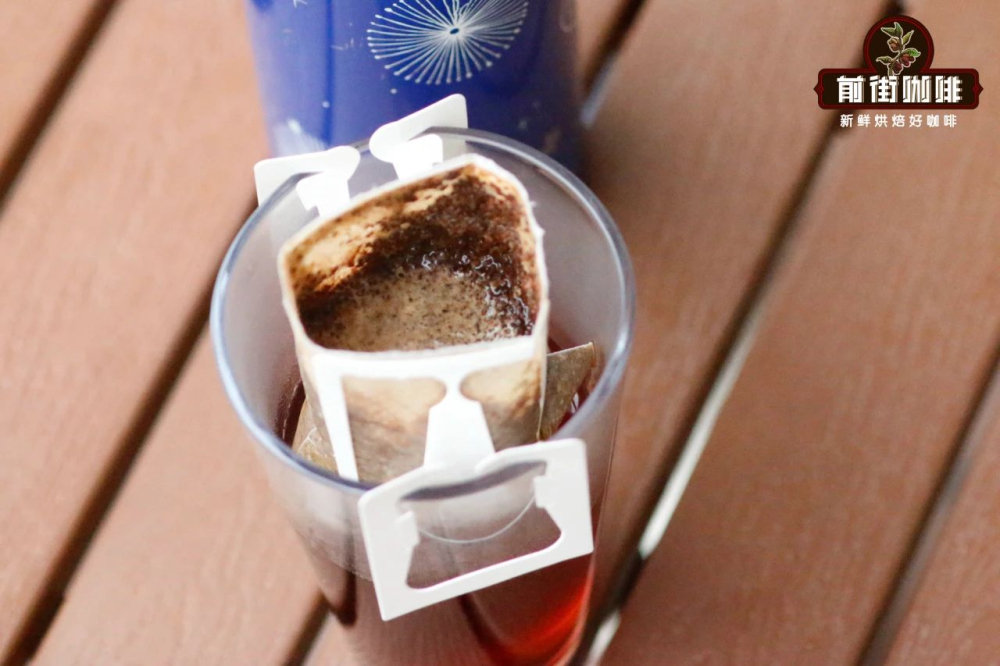
Using drip bag coffee is very simple—all you need is a kettle of hot water and a cup to enjoy a rich cup of coffee. After brewing, you only need to discard the filter bag along with the coffee grounds, with no need to clean complicated equipment, making it especially convenient for office or on-the-go use. With the rise of specialty coffee trends, drip bags now offer a wide selection of single-origin beans from different regions and processed using various methods. Whether at home, in the office, or outdoors, you can enjoy a personalized coffee experience.
However, drip bag coffee does have some limitations. Compared to pour over or freshly ground coffee, drip bags don’t require complex tools, nor do they demand precise control over water temperature, pouring technique, or brew time ratios. As long as you use sufficiently hot water and maintain an appropriate coffee-to-water ratio, you can achieve a good brew. Yet, due to its flexible operation, it’s often harder to extract the nuanced and diverse flavor layers that pour over can achieve. Additionally, the coffee grounds in drip bags are pre-ground. Compared to freshly ground coffee, the aroma dissipates more quickly, and the overall flavor richness is usually slightly inferior. If stored for too long—over three months—you might even notice woody or off flavors. Therefore, it’s recommended to consume the drip bag coffee within one month of receipt to enjoy its optimal flavor.
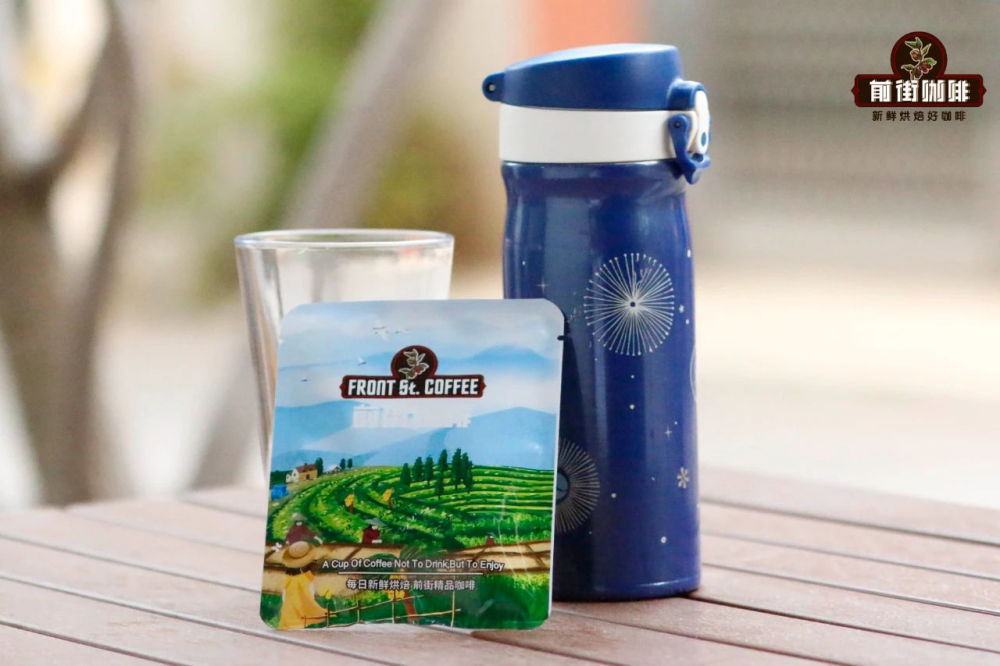
Based on different taste preferences, drip bag coffee on the market can generally be divided into three main types, making it easy for consumers to choose according to their personal likes:
1. Fruity and Bright Type
For those who prefer refreshing acidity and floral notes, look for product descriptions that mention words like “lemon,” “citrus,” “white flowers,” “rose,” “tropical fruits,” or “dried fruits.” These drip bags typically use light to medium roasted beans, offering bright acidity and a clean, refreshing taste. They are ideal for those who enjoy distinct layers and a clean aftertaste. Common flavor profiles in this category include Gu Ding Ding, washed Geisha, cherry tomato, butterfly pea, Bahia, red cherry, and Hua Kui.
2. Rich and Nutty Type
If you prefer a richer, more robust coffee with intense aroma, medium to dark roasted drip bags are a better choice. These coffees often showcase notes of nuts, chocolate, caramel, cream, or cocoa, with low acidity and high body. They are smooth, full-bodied, and perfect for those who enjoy a more grounded flavor. Examples in this category include Queen Estate, Bird of Paradise, Golden Mandheling, Blue Mountain, and Huilan—great for pairing with meals or as a morning pick-me-up.
3. Bold and Wine-like Type
For those seeking complex layers and unique fermentation flavors in their coffee, opt for drip bags with winey or fruity profiles. Flavor descriptions such as sherry, Mozart, strawberry candy, or Sidamo often come with lingering notes of wine, berries, or sweetness. Others like Dorothy or Bahia lean toward intense fruitiness, appealing to consumers who enjoy creative flavors and layered complexity.
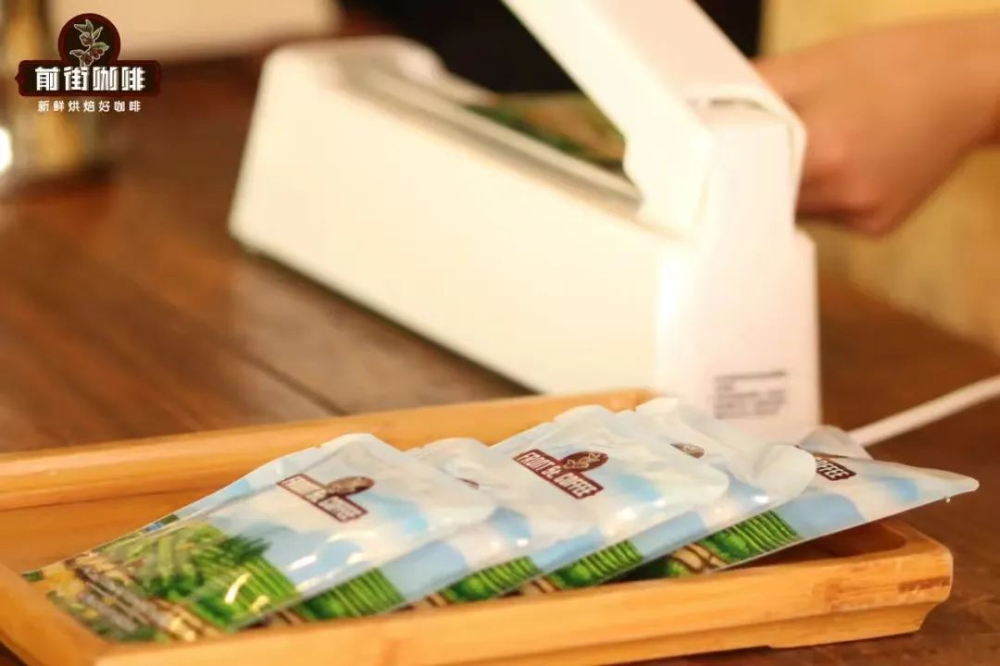
To preserve the original flavors of the coffee as much as possible, the coffee grounds used in drip bags usually come from freshly roasted beans. Generally, the optimal flavor development period for coffee beans is 4 to 5 days post-roast, which is also the recommended time to start brewing. However, if left unused for too long, the aroma and flavor compounds will gradually diminish, and undesirable off-flavors may emerge. Therefore, it’s best to enjoy your drip bag coffee while it’s fresh. If you’re aiming for the most complete and nuanced coffee experience, consider purchasing whole beans with a recent roast date and grinding them yourself for brewing—the flavor layers are usually richer.
Lastly, although drip bag coffee is pure black coffee without added sugar or milk and is very low in calories, it makes an excellent choice for staying alert or as a daily beverage—especially beneficial for those managing their weight. Black coffee can also boost metabolism, help reduce bloating, and may enhance fat-burning efficiency when consumed before exercise. However, caffeine intake should still be moderate, as excessive consumption may lead to discomforts such as palpitations or dizziness. It’s advisable to keep daily intake within reasonable limits to maintain a healthy balance.
The above content is compiled by CoffeeHunters, a coffee news website.


