







Introduction:With the rise of the guochao (national trend) movement, Nayuki’s Tea has transformed its Dream Factory branch into a brand-new space infused with the charm of traditional Chinese opera, launching over twenty new Chinese-style desserts inspired by classic theatrical productions. From mochi to butterfly pastries, each dessert draws inspiration from renowned operas such as "Drunken Concubine" and "Peony Pavilion," paired with theater-themed décor to create a rich cultural atmosphere. This article takes you behind the scenes to explore the design ingenuity and market strategy behind this wave of guochao innovation.
In recent years, guochao culture has gained significant momentum, with many consumer brands incorporating local elements to seek breakthroughs. As a leader in the new-style tea beverage market, Nayuki’s Tea has moved away from its previously Japan-inspired design aesthetic and reimagined its Nayuki Dream Factory as a distinctive space brimming with the ambiance of traditional Chinese opera. This transformation is not only reflected in the brand’s visual identity but also manifests in the launch of over twenty new Chinese-style tea desserts, presented in classic forms such as mochi and butterfly pastries. Each product is thoughtfully paired with popular operatic classics like "Drunken Concubine," "Peony Pavilion," and "Farewell My Concubine."
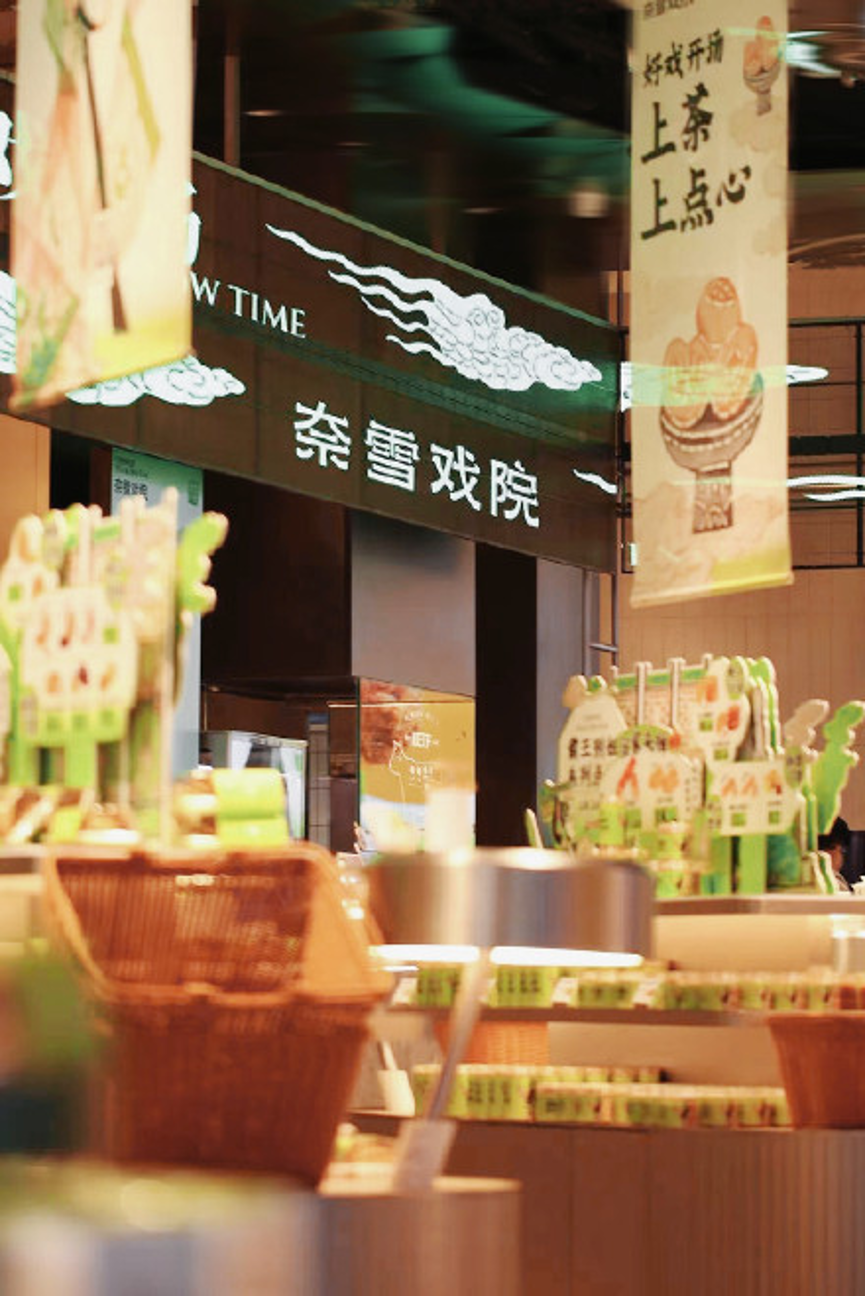
These innovative desserts not only cleverly integrate operatic motifs in their designs but also closely align in naming and detailing with their corresponding plays. The interior of the store has also been meticulously crafted: in addition to displaying traditional opera-related merchandise such as covered bowls and folding fans for customers to purchase, the space features Chinese-style hanging drapes and stacked displays that transport visitors into the timeless world of classical opera, offering an immersive experience of traditional culture.
Looking back at the brand’s development trajectory, Nayuki’s Tea initially rose to prominence with a dual-category business model of “tea beverages + soft European bread,” with its product line long leaning toward European-style bread and even retaining the Japanese hiragana character “の” in its brand name. However, the revamp of the Dream Factory marks a significant strategic shift for the brand—from a Japan-inspired style to a fully immersive opera-themed space filled with Chinese charm, showcasing a deeper interpretation and tribute to local culture.
Notably, this guochao trend is not unique to Nayuki. Earlier, Heytea also launched the “Ah Xi Teahouse,” incorporating elements of Sichuan opera and testing the traditional culture market with specialty bread products. In a market environment where tea beverage prices have generally risen, Heytea successfully captured consumer attention with its affordable nine-yuan pricing. In comparison, Nayuki had previously faced criticism for its high-price positioning and operational pressures. Now, by turning to the guochao pastry market and competing directly with Heytea, its market performance and consumer feedback are worth ongoing observation.
In fact, attempts by brands to integrate opera culture are not new. Starbucks had previously launched limited-time Spring Festival activities such as writing spring couplets, but Nayuki’s larger-scale opera-themed space represents a more profound practice of cultural immersion. This shift reflects a clear trend: more and more brands are beginning to tap into the value of traditional culture, repackaging design elements once seen as outdated and transforming them into niche cultural trends that appeal to younger generations, further boosting cultural confidence among the Chinese public.
From a market strategy perspective, the opera-themed transformation of Nayuki Dream Factory is not merely a simple visual upgrade but a comprehensive brand narrative strategy. By turning the tea beverage space into a cultural experience venue, the brand has successfully created a differentiated competitive advantage, offering consumers sensory enjoyment and cultural resonance beyond the products themselves. This transformation approach provides a valuable reference case for other beverage brands, demonstrating the important value of deep cultural exploration in modern commerce.
The above content is compiled by CoffeeHunters, a coffee news website.


