







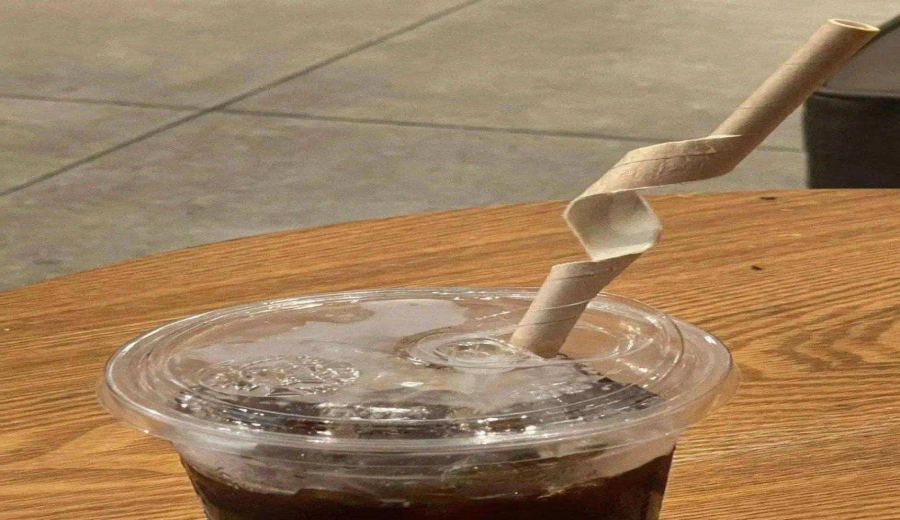
Introduction:As global plastic reduction trends continue, paper straws and PLA straws have become common alternatives, but their user experience often leaves much to be desired. Recently, a team from the University of Science and Technology of China has developed an innovative "coconut jelly straw" made from a composite of bacterial cellulose and sodium alginate. Not only does it surpass traditional paper straws in strength and toughness by more than double, but it can also fully decompose within 60 days. This article takes an in-depth look at the principles, advantages, and practical application prospects of this new technology.
In recent years, as plastic restriction policies have gradually been implemented, many beverage shops have switched to using paper straws or PLA (polylactic acid) straws in an effort to reduce their environmental impact. However, paper straws tend to soften when wet, negatively affecting the drinking experience—especially with hot beverages. PLA straws, while heat-resistant, are not easily degradable in normal environments and still require specific conditions to break down. Faced with these challenges, Academician Yu Shuhong’s team from the University of Science and Technology of China has taken a different approach and successfully developed a revolutionary "coconut jelly straw."
This innovative straw is based on bacterial cellulose and undergoes a composite treatment with sodium alginate. It not only has edible properties, but its overall strength, modulus, and toughness are more than twice that of traditional paper straws. Even when thinner, it maintains durability. Through a special manufacturing process, the straw can even be produced in a variety of colors, adding visual appeal. Practical tests show that when buried in soil, it nearly completely decomposes in about 45 days and fully integrates into the natural environment within 60 days.
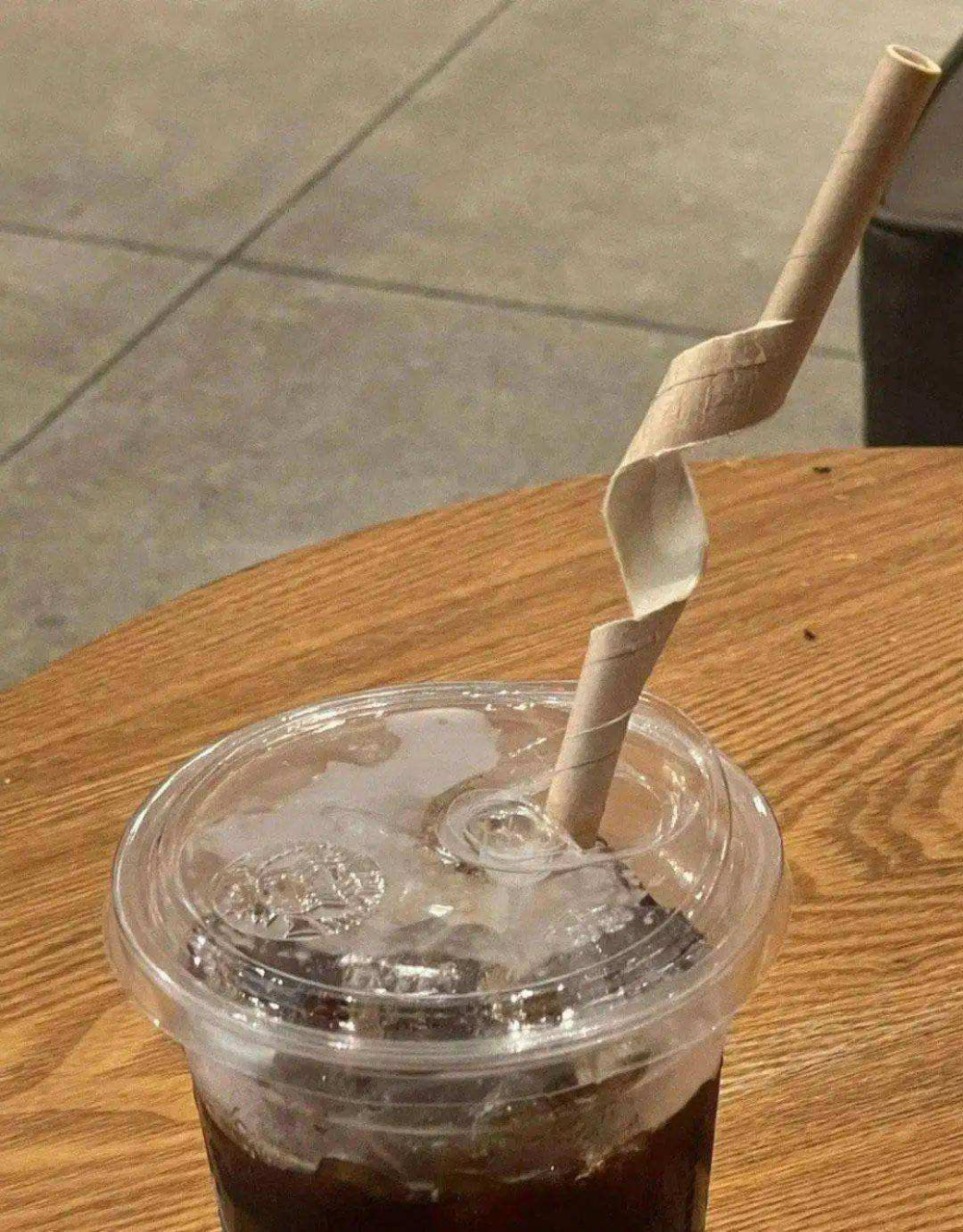
The research team's technical approach involves first pressing bacterial cellulose into a uniform film, then evenly coating the film with a precisely controlled layer of sodium alginate. The processed film is then rolled into a tubular shape and soaked in a calcium lactate solution to induce a cross-linking reaction. Finally, after washing and drying, the environmentally friendly and practical "coconut jelly straw" is complete.
When mentioning "coconut jelly," many people immediately think of the chewy topping commonly found in bubble tea. However, although this straw is named after "coconut jelly," it does not actually have any sweet taste or special flavor. Researchers emphasize that while the material itself is safe to eat, it is not recommended to consume it as food. It is primarily designed for straw use, ensuring that no harmful substances are released during use and that it is harmless to the human body.
Compared to paper straws, the performance of this coconut jelly straw is clearly superior. Users have reported that paper straws tend to become soft after soaking for a period of time, sometimes breaking or making it difficult to sip, which significantly affects the drinking experience. In contrast, the coconut jelly straw maintains a good shape even in hot drinks due to its sturdy structure, providing a stable user experience. Additionally, its adjustable thickness and color design offer greater flexibility in market applications.
Many consumers on social platforms have expressed anticipation for this new technology, hoping it can be mass-produced soon to replace traditional paper straws. Some users have shared their own experiences, noting that poorly designed paper straws have led to accidentally inhaling fragments, causing discomfort or even danger. In response, the research team stated that they will continue to optimize the manufacturing process to improve the straw’s performance and safety in real-world applications.
From an environmental perspective, this edible coconut jelly straw can not only significantly reduce plastic pollution, but its rapid degradation characteristics also meet the current global urgent demand for sustainable materials. Experimental data shows that when buried in soil, the straw almost completely disappears in about 45 days and achieves full decomposition within 60 days. Compared to traditional plastic straws, which can take hundreds of years to degrade, this represents a huge advancement.
Overall, this edible coconut jelly straw, developed by the team from the University of Science and Technology of China, offers a brand-new choice for the beverage industry with its outstanding strength, environmental benefits, and practical performance. If it can be successfully mass-produced and promoted in the future, it may become an important alternative to paper and PLA straws, further enhancing the user experience while also meeting environmental protection needs.
The above content is compiled by CoffeeHunters, a coffee news website.


