







Introduction:The charm of specialty coffee lies in the unique flavor differences brought by each region’s terroir and processing methods. This article delves into the flavor characteristics of three classic producing regions—Ethiopia, Sumatra, and Kenya. From bright fruity and floral acidity to rich, intense spice tones, it helps you understand the signature beans from each area, and supplements practical buying and brewing references to assist you in finding your perfect match.
When it comes to specialty coffee, many people immediately think of “unique flavors.” But what kind of coffee can be called specialty? In fact, there is no absolute definition of specialty coffee—the key is whether you enjoy the flavor traits that the beans present. Some people absolutely love the strong fruit acidity and full body of Kenyan coffee, while others are drawn to the balanced and steady classic flavor of Colombian beans. There are also those who are devoted to the floral and lemon-like bright acidity of Yirgacheffe, or fascinated by the herbal and earthy depth of Mandheling.
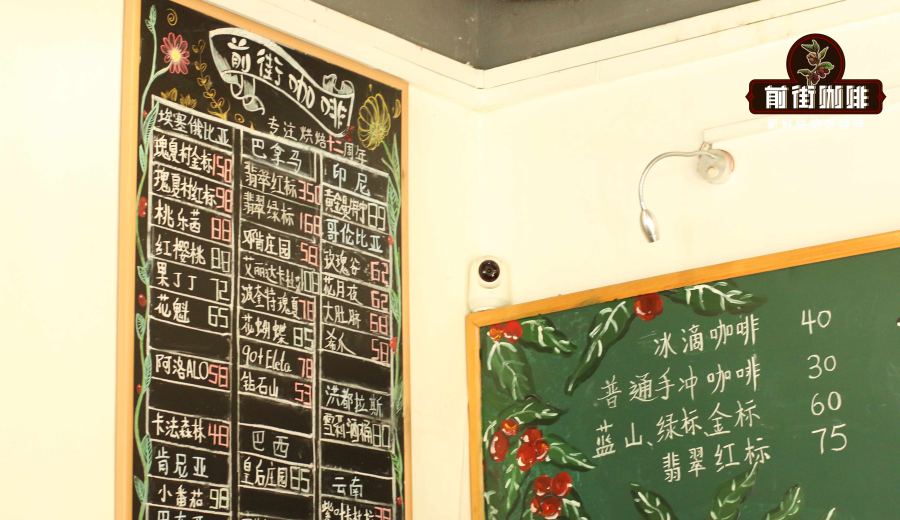
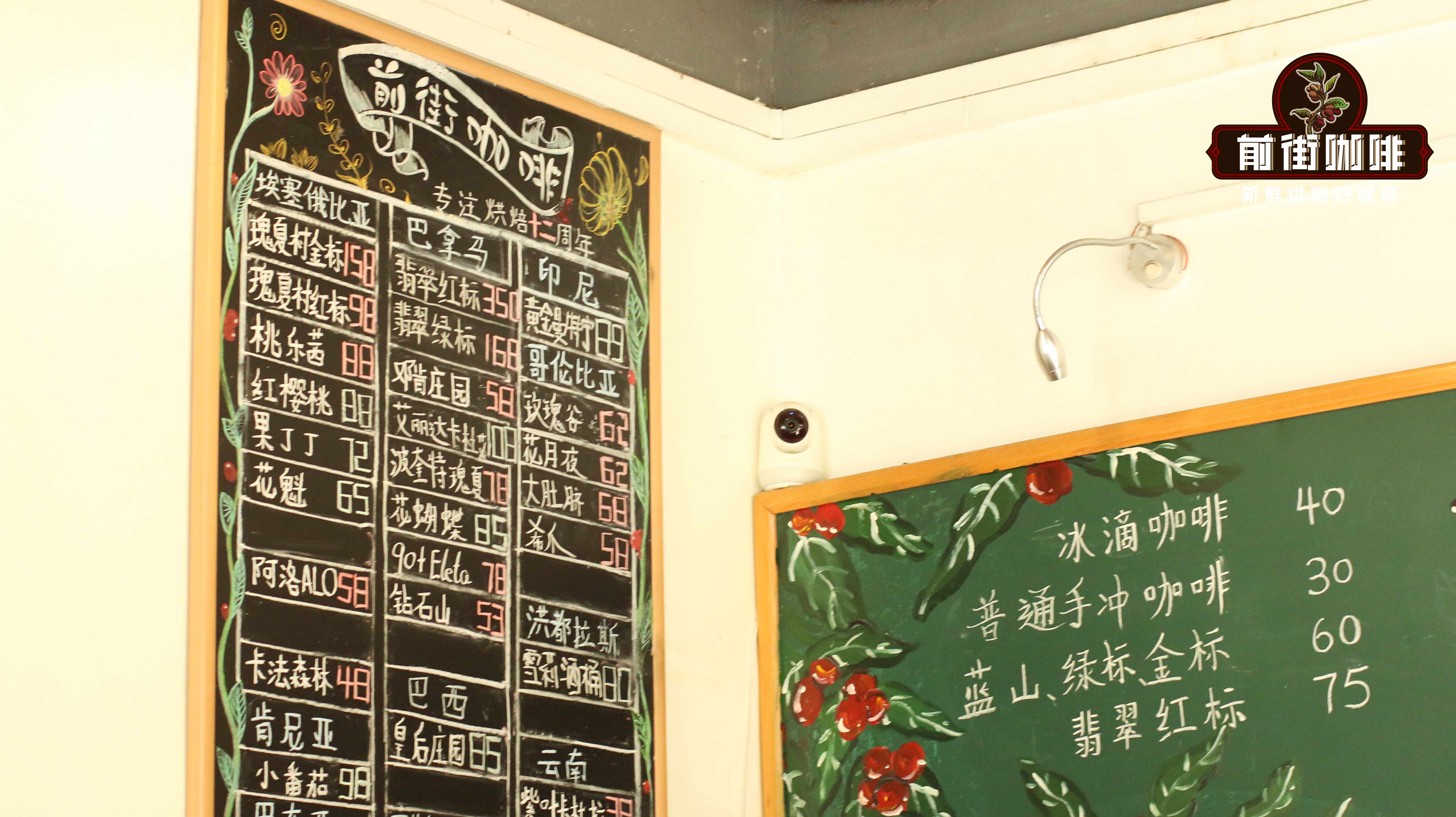
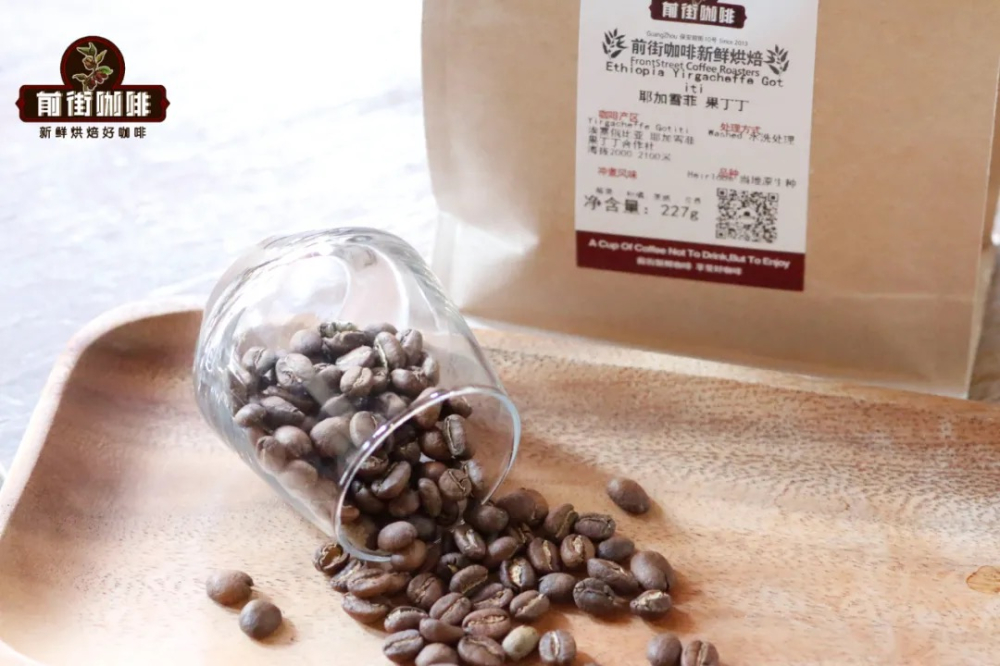
If we approach it from a regional flavor perspective, Ethiopia is undoubtedly the sacred birthplace of specialty coffee. The country’s coffee is renowned for its delicate floral notes and diverse fruit tones, typically featuring a clean and layered taste with subtle yet varied flavors. Popular bean varieties such as Guji Dingding, Red Cherry, Huakui, and Guji Geisha Village Red Label often showcase prominent berry, citrus, mango, and guava aromas, paired with a soft black tea finish. After drinking, a faint floral note lingers on the palate, giving the whole flavor profile a very three-dimensional feel.
If you prefer a coffee with a richer, fuller body and spicy undertones, Sumatra’s Mandheling is definitely your go-to choice. These coffees generally have lower acidity but a robust and substantial mouthfeel, often exuding complex notes of spices, caramel, herbs, and toasted bread. Upon tasting, you can sense a warm and deep flavor with a clear and lingering aftertaste. It’s worth mentioning that Mandheling is suitable for various brewing methods—whether using a moka pot, pour over, espresso machine, French press, or even cold brew, its unique charm shines through.
When talking about juicy coffees, Kenyan beans are certainly among the top picks. What makes these coffees most captivating is their combination of vibrant and lively fruit acidity with a rich fruit juice-like mouthfeel, while still retaining the delicate floral undertone unique to African coffees. Among them, Kenya’s “little tomato” coffee stands out due to its distinctive processing method, which gives it highly recognizable acidity. Compared to typical washed processing where fermentation lasts within 36 hours, some Kenyan processing facilities extend fermentation up to 72 hours, allowing for more thorough mucilage breakdown and thereby extracting more complex layers of fruity acidity and sweetness. After fermentation, the beans are then sun-dried for an extended period until the moisture content reaches about 12%, resulting in such a unique flavor expression.
Overall, selecting a specialty coffee bean that suits you is not just about choosing the origin—it also involves a comprehensive consideration of flavor type, processing method, roast level, and brewing technique. For readers trying different regional flavors for the first time, starting with light to medium roasts can help you better perceive the original characteristics of each region. At the same time, based on your usual brewing tools—for example, choosing a medium-fine grind for pour over or a medium-coarse grind for French press—you can bring out the best flavor balance.
Whether you are a beginner just getting started or an experienced coffee enthusiast, understanding the flavor profiles and processing characteristics of major producing regions can help you make more precise choices among numerous coffee beans and brew a truly palate-pleasing cup of specialty coffee.
The above content is compiled by CoffeeHunters, a coffee news website.


