







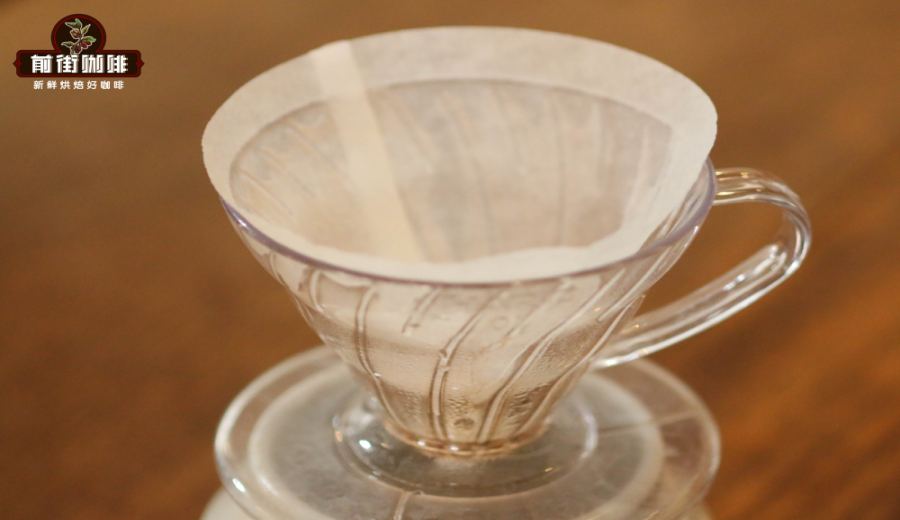
Introduction:When choosing a pour over dripper, enthusiasts often face the issue of poor filter paper adhesion. This not only affects visual aesthetics but may also interfere with extraction uniformity. From a practical usage perspective, this article delves into the design highlights of the Bingtong dripper, including its near-perfect filter paper fit, unique rib and channel structure, and extraction characteristics at different water levels. By comparing it with popular drippers like the V60 and Kono, it helps readers find a dripper that better suits their brewing style.
One of the most common issues pour over coffee enthusiasts encounter when selecting a dripper is poor adhesion between the filter paper and the dripper wall. This not only makes the brewing process less visually appealing but can directly affect the uniformity of coffee grounds extraction, leading to suboptimal flavor performance. From the perspective of a long-time V60 user, this article will take you in-depth to explore a meticulously designed dripper—the Bingtong dripper.
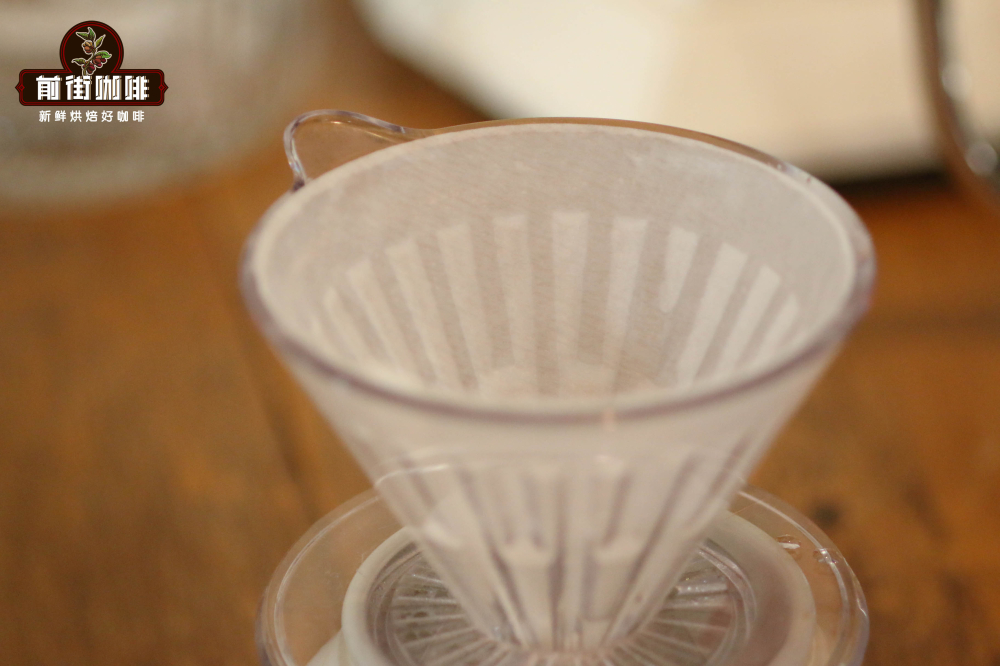
At first glance, the Bingtong dripper looks very similar to the V60, but once you wet the filter paper and place it in the dripper, you’ll immediately notice the difference:The filter paper adheres almost perfectly to the dripper wall,which is not only visually pleasing but also positively contributes to extraction stability.
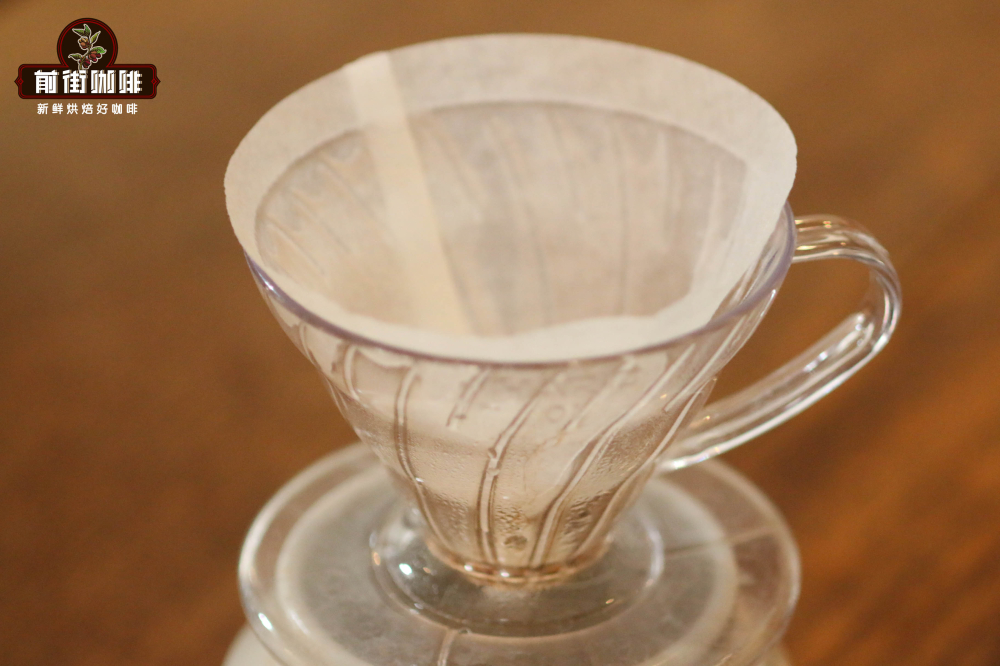
Many users have complained that with some drippers, the filter paper either doesn’t adhere tightly enough or is too tight in certain areas, preventing the ribs from expanding properly, or even causing the filter paper to flip outward, severely impacting the user experience.
"This time it really doesn’t adhere, and part of it is too tight, the ribs can’t even expand" "And the filter paper even sticks out, which looks really off!"—these kinds of issues are almost non-existent with the Bingtong dripper.
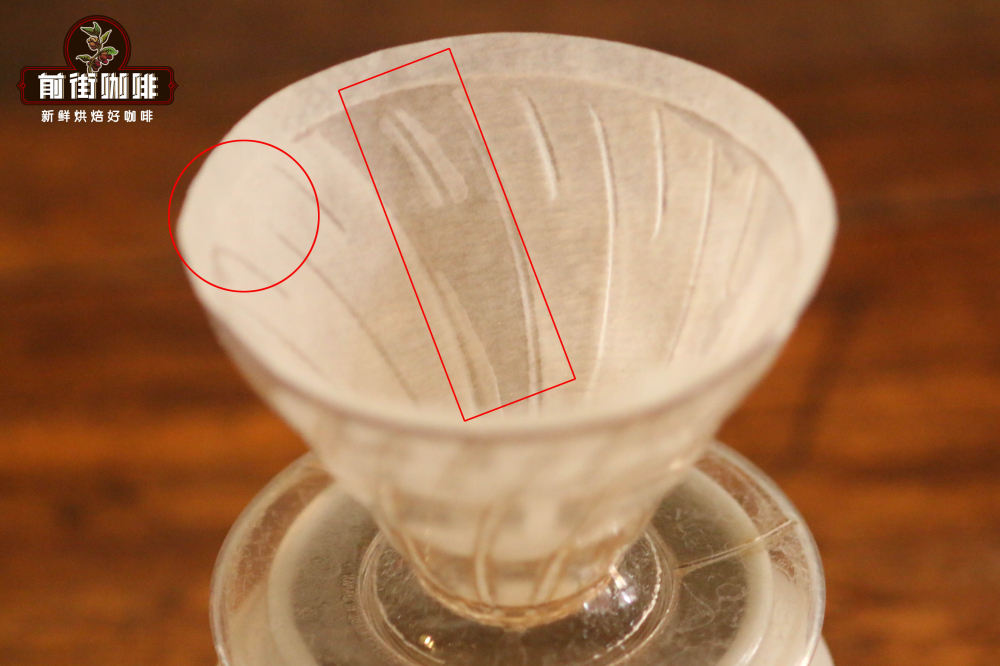
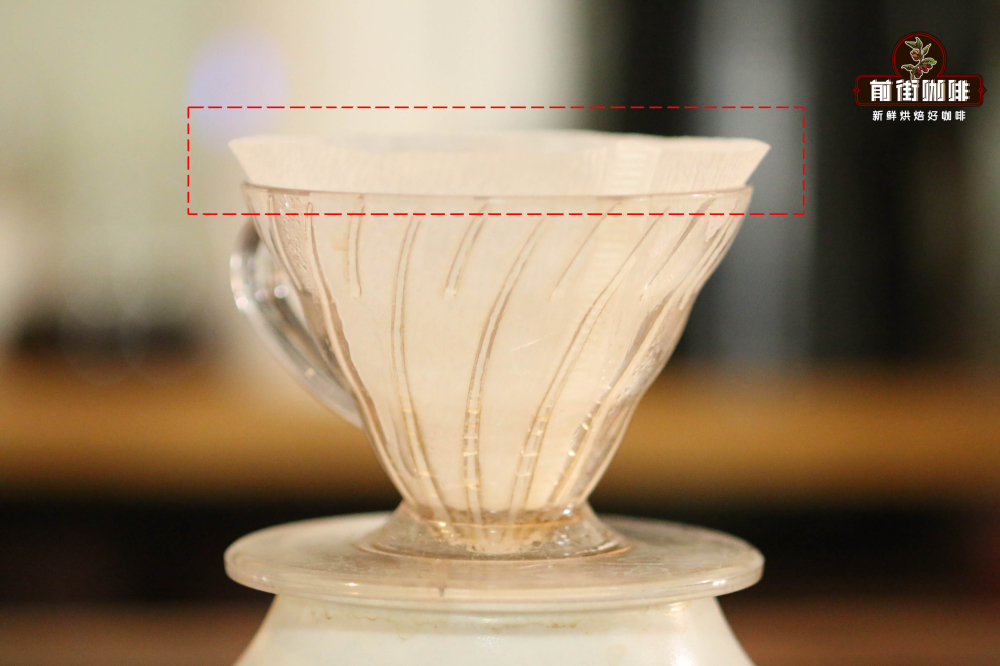

For this reason, for users who have high requirements for filter paper adhesion, the Bingtong dripper offers a very reliable choice. Although its appearance is similar to the V60, the differences in its detailed design provide a distinctly different user experience.
Visually, the Bingtong dripper is almost indistinguishable from the V60 at first glance, but when you place the wet filter paper inside, you’ll be pleasantly surprised to find that the filter paper adheres almost seamlessly to the dripper wall, presenting a more neat and aesthetically pleasing look.This sense of fit not only enhances comfort during brewing but also aids in more stable water flow control and extraction performance.
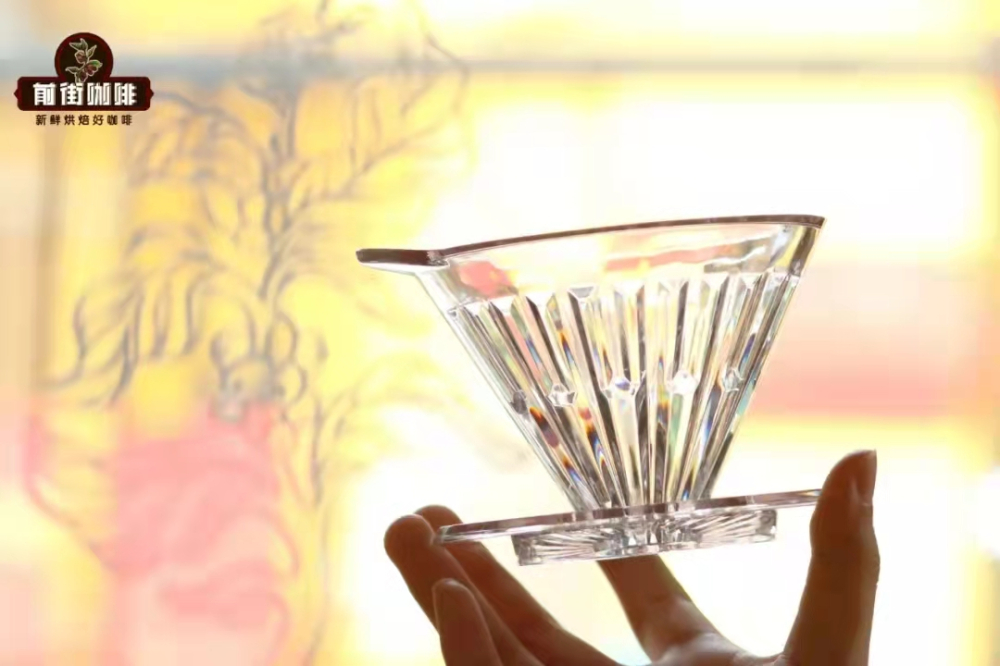
Looking further into its structure, you’ll find that the V60 uses outwardly protruding spiral ribs to support the filter paper; whereas the Bingtong dripper takes the opposite approach—the dripper wall is thicker, and the ribs are actually inwardly recessed grooves, although visually they still appear to be raised ribs. The key is that these "ribs" and the adhesive layer at the upper edge of the dripper are on the same plane, allowing them to closely contact the filter paper and significantly improve adhesion.
As a frequent V60 user myself, I can honestly say that most coffee beans can be successfully brewed to good effect using the V60, but the biggest highlight of the Bingtong dripper lies in itsstunning filter paper adhesion.Even without delving deeply into its extraction performance, this single feature alone is enough to make one consider purchasing a resin version of the Bingtong dripper—affordable and highly practical.
So, how does the Bingtong dripper perform in real use? When evaluating dripper performance, we typically focus on two core elements: channel design and water flow speed. The shape and arrangement of the channels influence the water path, thereby altering the saturation and extraction efficiency of the coffee grounds layer. For example, the V60 uses spiral ridges, while the Star Dripper often employs straight-line channel designs, and the two guide water flow in completely different ways.
As for water flow speed, the choice should be made based on the roast level and flavor characteristics of the coffee beans. For instance, the short-ribbed Kono, which has a slower flow rate, is suitable for brewing deep-roast beans with rich body and low acidity; if you prefer brighter and livelier flavors, you might opt for a dripper with a faster water flow rate, such as the V60 or Bingtong.

The overall structure of the Bingtong dripper can be divided into three parts. Observing it from top to bottom, its height can be roughly divided into three equal sections. The top layer features a smooth wall with no ribs, similar to the design of the Kono dripper, which helps create a certain degree of immersion effect at the beginning; the middle and lower layers adopt a large-area recessed structure instead of traditional raised ribs. When the filter paper is placed inside, it visually presents an arrangement of 12 long ribs and 12 short ribs (in reality, these "ribs" are on the same plane as the upper wall), extending downward in a straight line,with the short ribs distributed in the middle layer and the long ribs spanning both the middle and lower layers.。
During actual brewing, because the upper filter paper is in a fully sealed state, if the pouring speed is too fast or the water temperature is too high, the water level can easily rise and flood the channels. If the dripper cannot effectively vent air, it will lead to slower water flow, sometimes even achieving an immersion effect similar to the Kono, which helps avoid under-extraction of the coffee. As the water level gradually drops to the middle and lower layers, the recessed groove structure can quickly guide the water downward, maintaining smooth flow and avoiding blockages.
Compared to the V60’s strategy of "clearing the channel and rapidly directing flow," the Bingtong is more like "keeping the gate tightly closed and reducing leakage," controlling water flow speed when the water level is high; however, when the water level drops, its water flow speed is actually slightly faster than the V60’s, helping to more flexibly adjust the extraction rhythm.
In summary, as long as you maintain steady and vertical water flow during brewing, the Bingtong dripper can help you easily achieve uniform extraction of the coffee grounds layer. As for flavor performance, although different drippers vary in detail, the final flavor profile still primarily depends on the characteristics of the coffee beans themselves.There is no absolutely good or bad dripper—only whether it suits your brewing habits and target flavor profile.If you’re particularly concerned about filter paper adhesion and stable extraction performance, the Bingtong dripper is worth adding to your list of options.
The above content is compiled by CoffeeHunters, a coffee news website.


