







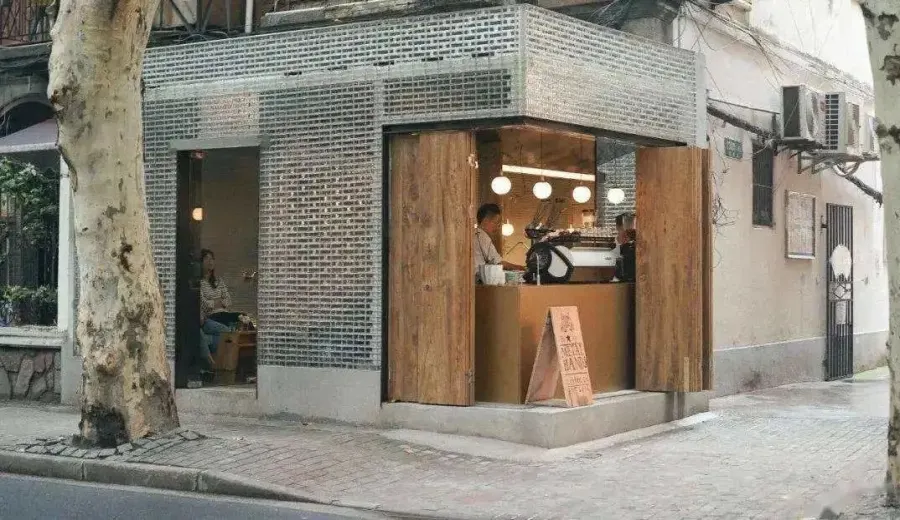
Introduction:The number of coffee shops in Shanghai has surpassed 7,000, with an annual growth rate exceeding 40%, and new stores continue to emerge one after another. However, the boom in opening shops does not equate to successful management. This article delves into the consumption characteristics of Shanghai’s coffee market, exploring the key shift from decoration-and-photo-op oriented businesses to actual commercial operations. It helps aspiring entrepreneurs entering the coffee industry establish the right mindset, grasp market positioning, and develop effective business strategies.
The number of coffee shops in Shanghai has exceeded 7,000, with over 900 new ones added in just the first eleven months of 2021, representing an annual growth rate of over 40%. Behind this wave of growth is not only fierce competition between international chains and local players, but also the entry of a large number of independent shops focusing on pour over coffee, specialty coffee, and creative beverages. However, the boom in opening shops does not mean that running them is easy—especially in such a highly competitive market, standing out is the key.
According to statistics from the Coffee Professional Committee of the Shanghai Food Industry Association in 2021, the number of registered coffee shops in the city was about 7,200 as of November 2021, an increase of approximately 951 from the beginning of 2021 to November, marking a year-on-year growth of 41.5%. Based on this estimate, the current total number of coffee shops in Shanghai is around 7,500. This concentrated wave of shop openings can be traced back as early as 2018, and in recent years, changes in consumer habits due to the pandemic have made coffee shops one of the important offline social venues for young people.
The surge in the number of stores stems partly from the accelerated expansion of international brands and local chains, and partly from the emergence of a large number of themed small shops focusing on specialty coffee, pour over coffee, and creative beverages. In such a densely competitive market environment, every new store must clearly define its market positioning and unique features before opening in order to find its footing among numerous competitors.
If you want to enter this fiercely competitive market, engaging in a price war is usually not a wise choice, as chain brands have clear advantages in cost control and supply chain management. Therefore, new entrants must identify distinctive brand characteristics—such as unique flavor profiles, refined pour over experiences, or distinctive spatial atmospheres—to establish a solid foothold in the market.
Shanghai’s coffee-consuming demographic is primarily urban residents aged 20 to 40, with women accounting for about 60% of the total. Notably, many consumers are not necessarily pursuing the professional flavors of coffee but rather view it as an everyday beverage, with the emphasis on being “tasty and unique.” Additionally, due to lifestyle changes after the pandemic, coffee shops have become an important venue for young people to gather and socialize offline, driving overall market demand upward.
Bolstered by social media, many consumers’ primary reason for visiting coffee shops is not to taste coffee but to take photos for social sharing. As a result, many shops focus on store decoration and beverage presentation, hoping to attract customers through high “photo-worthy” appeal and then expand brand awareness via online sharing. Under this operational model, coffee shops in Shanghai have developed a variety of decorative styles, including Japanese, Korean, industrial, cave, and retro themes—all with one core goal: attracting netizens to take photos and share them.
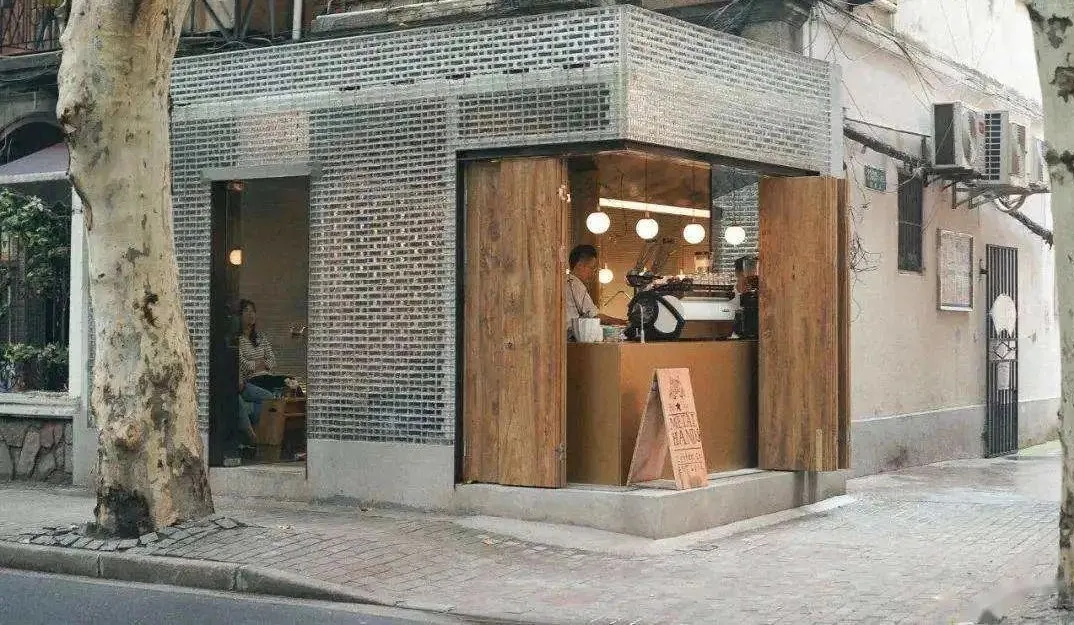
Some operators even adopt a “pop-up style” of business, using highly stylized décor and influencer photo ops to draw crowds, quickly earning profits in the short term before shutting down and relocating to a new spot with a different style using the same equipment. This model creates the illusion that running a coffee shop is easily replicable—as long as the décor is eye-catching, profits will follow effortlessly. However, this short-sighted approach often overlooks the stable customer base and brand value required for long-term success.
Many first-time entrepreneurs mistakenly believe that owning high-end coffee equipment and unique décor is enough to attract a steady stream of customers and realize their dream of “coffee shop life.” But in reality, in addition to the significant initial investment in décor and equipment, opening a shop also involves essential expenses such as rent, utilities, and staffing costs, with typical initial investments ranging from several hundred thousand to over 200,000 yuan. More importantly, new shops often lack a stable customer base in the beginning and require substantial resources for marketing and promotion.
Ideally, a coffee shop might take about six months to break even, but in practice, the payback period is often longer—sometimes more than a year before reaching a break-even point. During this long transitional period, not only do you have to endure financial pressure, but also the daily grind and hard work of running the business. When you realize that after a month of hard work you’ve only earned a little over 10,000 yuan, so-called “passion” can quickly be shattered by reality.
Therefore, opening a coffee shop should not rely solely on enthusiasm or a love for coffee, but must be grounded in a business mindset—with a deep understanding of market demand, precise brand positioning, and thorough planning and preparation for long-term operation. Whether in first-tier cities like Shanghai or elsewhere, running a coffee shop is ultimately a business. Only by adopting a market-oriented and pragmatic strategy can one survive and thrive in this fiercely competitive landscape.
In summary, the rapid growth in the number of coffee shops in Shanghai reflects the expansion of market demand and changes in consumption patterns. However, successful management requires far more than passion and décor—it demands solid market analysis, clear brand positioning, and long-term, stable business strategies. Only in this way can one find their own path to survival in this highly competitive and rapidly evolving market.
The above content is compiled by CoffeeHunters, a coffee news website.


