







Introduction:With the pandemic driving coffee consumption online, packaging design has become a key factor in brand competition. This article delves into the six major global coffee bean packaging design trends of 2022—including serene minimalism, typographic minimalism, laser aesthetics, and more—exploring the consumer psychology and market demands behind them. Whether you're an e-commerce entrepreneur or a coffee enthusiast, you can grasp packaging trends and design logic here to enhance product selection and brand recognition.
The pandemic has thoroughly reshaped global consumer behavior, especially accelerating the shift in coffee bean purchases from physical stores to e-commerce platforms. In the increasingly fierce online competition, product packaging is no longer just a container for goods but the first visual language of communication between brands and consumers. According to observations from the international design community, 2022 saw six distinct trends in coffee bean packaging: serene style, typographic solo style, laser style, eco-friendly style, collage style, and playful style. These styles reflect modern consumers’ multifaceted demands for emotional healing, clear information, visual impact, sustainability, and interactive fun.
Physical retail was severely impacted by the pandemic, with many countries continuously adjusting epidemic prevention policies, making store operations difficult and limiting consumer outings. Data shows that in the past two years, the proportion of users choosing to buy coffee beans online and brew at home has risen sharply, especially among pour over and specialty coffee enthusiasts, where this trend is even more pronounced. Therefore, how to stand out among countless e-commerce products has become a challenge for every coffee brand.
When brand awareness is not yet established or price advantages are not obvious, packaging design often becomes a key means for brands to attract consumers. Outstanding packaging not only conveys the brand story and highlights product personality but also effectively enhances customer loyalty and repurchase intent. Against this backdrop, 2022 saw more diverse and bold attempts in coffee bean packaging design, with many brands using innovative patterns and color schemes to capture consumers’ attention.
However, some design experts point out that over-reliance on exaggerated visual styles may lead to market aesthetic fatigue. When most products adopt high-saturation color schemes and complex patterns, simple yet distinctive designs are more likely to attract attention. Below are six potential packaging design trends compiled from discussions in the design community, which are worth in-depth understanding by coffee professionals and consumers.
1. Serene Style: Creating Comfort with Minimalist Colors and Typography
During the pandemic, people craved more inner peace and stability. Serene style packaging uses soft color palettes, concise copy, and clean fonts to reduce visual clutter, conveying the image of coffee as a daily relaxation medium. This type of design is particularly suitable for coffee products that emphasize soothing, healing, or daily ritual appeal.
2. Typographic Solo Style: Conveying Key Information through Layout
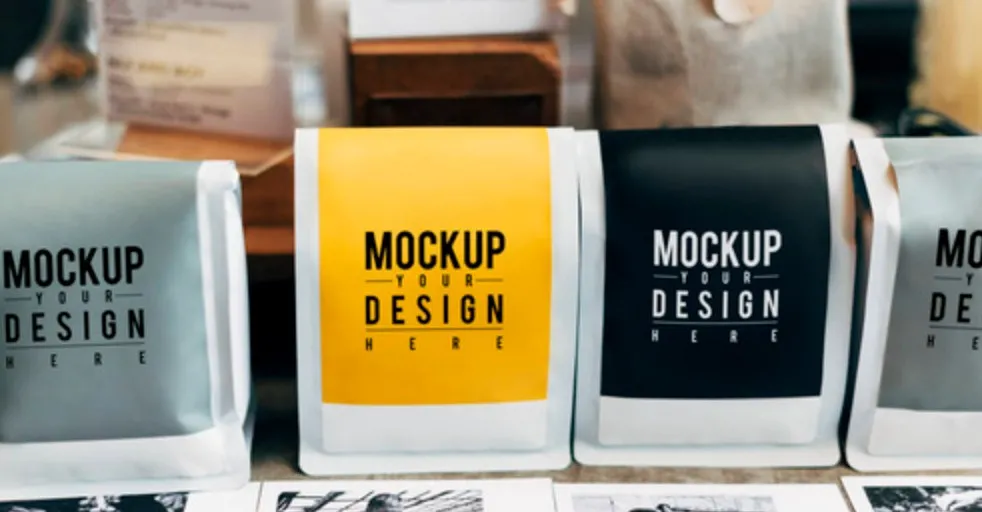
When imagery takes a backseat, typography becomes the star. Through well-layered font design, information about the coffee bean’s origin, roast level, and flavor profile can be clearly communicated. Details such as font selection, line spacing, and font weight all affect the consumer’s reading experience, thereby influencing purchasing decisions. This style emphasizes intuitive information delivery, making it especially suitable for consumers who prefer rational choices.
3. Laser Style: Creating a Futuristic Feel with Materials and Light
Once considered non-mainstream, laser color schemes have made a comeback on the design stage. By utilizing special materials and light refraction, they create a neon-like visual effect—such as the contrast of light blue and pink, paired with a white background and geometric layers—to present a tech-forward, futuristic style. This type of design can effectively attract younger, trend-conscious consumer groups and overturn traditional stereotypes of coffee.
4. Eco-Friendly Style: Responding to Environmental Awareness with Sustainable Materials
With growing environmental consciousness, consumers are paying more attention to the recyclability and sustainability of packaging materials. Using sealed jars made from coffee grounds, non-wood fiber packaging bags, etc., not only reduces environmental burden but also strengthens the brand’s responsible image. Designs often use natural tones and minimalist shapes to echo sustainability ideals, making it an ideal choice for brands focused on social responsibility.
5. Collage Style: Expressing Recycling Spirit through Visual Layers
Collage design employs torn paper effects, multiple textures, and strong color contrasts to create a unique sense of layering and handmade quality. This style effectively communicates a brand’s emphasis on environmental protection and natural materials, while adding more artistry and storytelling to the product. It suits brands looking to strengthen their brand image and achieve market differentiation.
6. Playful Style: Creating a Lighthearted Mood with Cute Characters
In an increasingly stressful life, playful packaging designs offer a refreshing change. Using childlike illustration styles or quirky characters, these designs create a joyful, stress-free brand image, allowing consumers to feel relaxed and entertained when selecting coffee. This type of design, in particular, resonates emotionally and boosts brand memorability.
These six packaging design trends not only reflect contemporary consumers’ psychological shifts but also provide directions for innovation and differentiation for coffee brands. Whether choosing minimalist serenity or bold playfulness, the key lies in understanding the needs of the target market and conveying core brand values through visual language.
The above content is compiled by CoffeeHunters, a coffee news website.


