







Introduction:Drip bags are widely loved for their convenience, but many people have questions when brewing them: can they be steeped like tea bags for a long time? Can you repeat the pouring process to increase strength? This article will delve into the correct way to use drip bags, help you understand their extraction principles—which are quite similar to those of pour over coffee—and provide practical tips on water temperature control, step-by-step pouring techniques, and how to enhance flavor complexity through bean selection, so you can easily brew balanced and aromatic black coffee at home.
Thanks to their portability, drip bags have become a daily choice for many coffee enthusiasts. However, in actual use, many people fall into misconceptions—such as thinking they can be steeped like tea bags or trying to increase coffee strength through a second pour. But in reality, although drip bags are designed for convenience, their extraction principle is very similar to that of pour over coffee. The key lies in effectively extracting flavor compounds by passing hot water through the coffee grounds, rather than simply dissolving them.
First, it’s important to clarify one concept:Drip bags are not suitable for long-term steeping like tea bags.Although it may seem as simple as hanging the filter bag on a cup and pouring in hot water, the coffee grounds inside are freshly ground fine particles and cannot withstand prolonged soaking like tea leaves. If you leave the entire drip bag immersed in hot water for a long time, it can easily lead to over-extraction and result in noticeable bitterness and astringency.
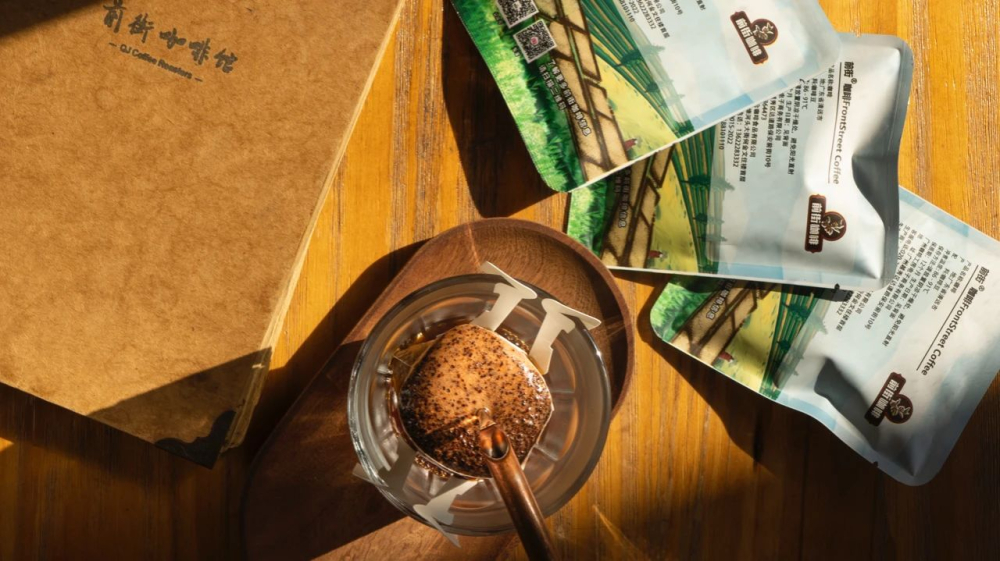
Unlike instant coffee, what’s inside a drip bag is freshly roasted and properly ground coffee, packed into a non-woven fabric filter bag and sealed for preservation. This makes it both portable and able to maintain the original flavor of the coffee for a certain period. However, it’s important to note that these coffee grounds do not dissolve in water—they rely on hot water passing through the coffee layer to release their aroma and taste.
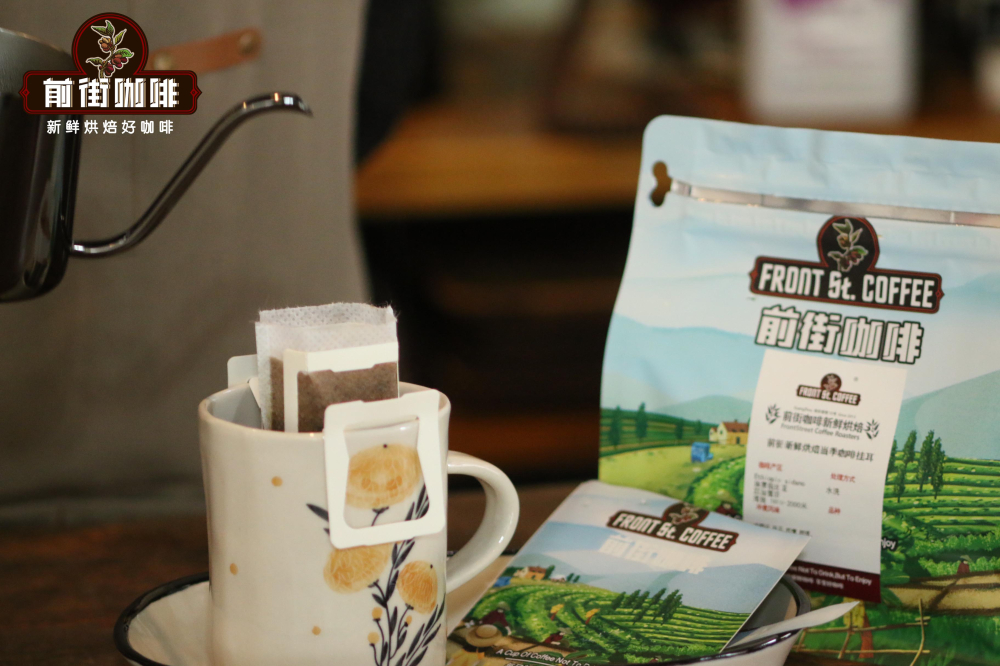
Therefore, the correct way to use a drip bag is to gently pull apart the two ear-like handles on the sides, securely place it on the rim of your cup, and then pour water at an appropriate temperature in stages. This allows the water to pass through the coffee grounds and slowly drip through the non-woven fabric filter bag, completing the extraction. This process is very similar to pour over coffee, with the focus being on controlling water temperature, pouring speed, and total water volume.
If you want your drip coffee to exhibit richer layers and aroma, there are several key elements you shouldn’t overlook. First and foremost ischoosing a drip product made from freshly roasted coffee beans.Whether you’re buying whole beans or drip bags, the roast date is a critical factor influencing flavor performance. After roasting, coffee beans continue to release carbon dioxide and retain most of their aroma and flavor compounds during this period. However, over time, these valuable volatile substances gradually dissipate—especially after grinding, when flavor loss accelerates.
To ensure each cup of drip coffee performs at its best, it’s recommended to choose products that are released within five days of roasting. Such products typically retain the most complete aromatic profiles, allowing you to experience livelier acidity, sweetness, and layered complexity during brewing. If you prefer a bright and refreshing fruity profile, consider a natural-processed Hua Kui variety, which often presents delicate floral notes paired with tones of strawberry, citrus, and tropical fruits like mango, offering a soft mouthfeel with a hint of natural sweetness. For those who favor a rich and full-bodied flavor, a dark roast Golden Mandheling is a great option, characterized by notes of spice, herbs, and caramel, often finishing with the mellow and smooth richness of dark chocolate.
Additionally,the optimal shelf life for drip coffee is generally around 30 days.For a package containing 10 small bags of 10 grams each, it’s advisable to buy in small quantities multiple times to ensure each brew offers a fresh coffee experience. Buying too much at once may not only affect aroma due to prolonged storage, but also risk quality degradation caused by changes in environmental humidity or temperature.
As for the specific brewing method, it’s actually not complicated—you just need to master a few key parameters and steps. First is water temperature, one of the core variables affecting coffee extraction efficiency.It is recommended to use water heated to 88–91°C for brewing.Water that is too hot can easily lead to over-extraction, resulting in bitterness and a rough mouthfeel; whereas water that is too cold (for example, water from an underheated water dispenser, usually around 75°C) can cause under-extraction, leaving the coffee weak and uninspired.
In a typical home setting, you can let boiled water sit for 2–3 minutes to naturally cool down to the suitable range before starting to brew. Taking a common 10-gram drip bag as an example, using the popular pour over ratio of 1:15, the total water volume would be about 150 milliliters, ultimately yielding approximately 140 grams of brewed coffee.
In practice, you can follow these four-step pouring instructions:
1. Open the drip bag, gently pull apart the two ear-like handles, and securely place it on the rim of your cup.
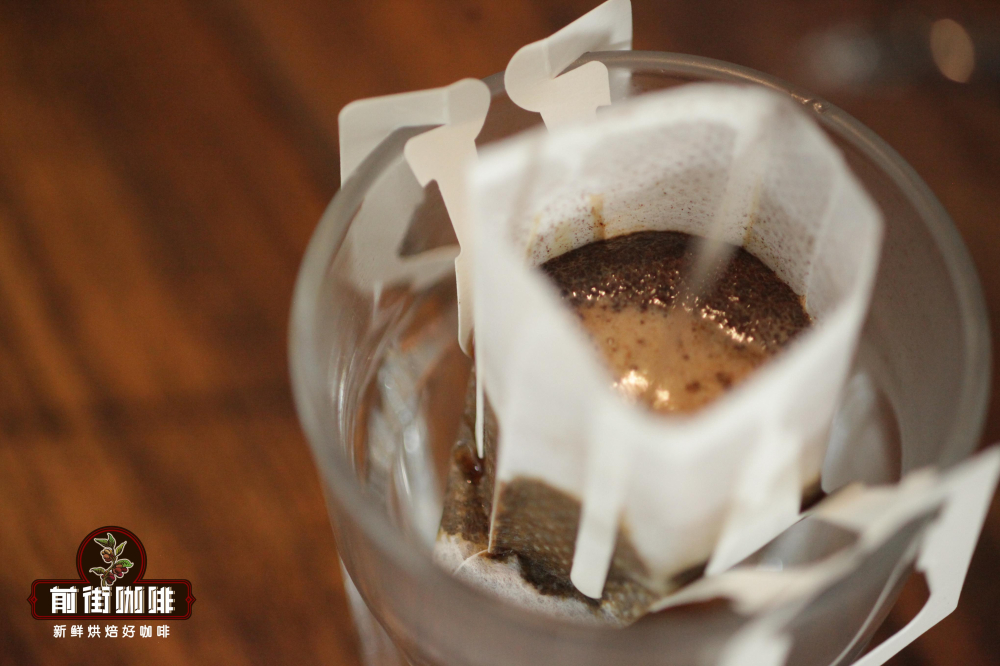
2. Start by pouring 88–91°C hot water into the center of the filter bag until it reaches about half its height, then let it sit for about 15 seconds for pre-wetting. This helps release carbon dioxide from the coffee grounds and lays the foundation for stable extraction afterward.
3. Next, continue pouring hot water until the filter bag is about 90% full—roughly up to the small card at the top edge—and wait for the coffee liquid to completely drip through.
4. Once dripping is complete, pour again until the filter bag is 90% full, and repeat the same process. In total, perform this sequence four times. Typically, the first pour fills the filter bag halfway, and the next three pours top it up to 90% after each round of dripping. The total water volume is usually controlled at around 150 milliliters, yielding a well-balanced and smooth black coffee.
The above content is compiled by CoffeeHunters, a coffee news website.


