







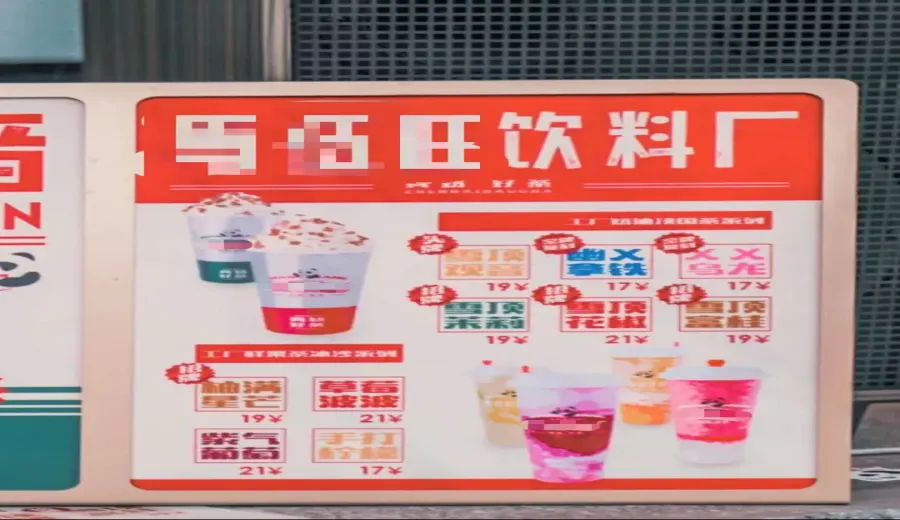
Introduction:When MayuWang Beverage Factory launched packaging that bore an extreme resemblance to Cha Yan Yue Se’s, netizens accused it of copying—only to find out it might not be illegal. This article dissects the differences between trademarks, packaging/decorations, and copyrights from a legal perspective, explaining why similar appearances may not constitute infringement, and further explores the blurry line between imitation and innovation in the F&B industry. The coffee sector also sees cases of design borrowing. Understanding these rules can help brands avoid risks.
In recent years, the wildly popular tea brand Cha Yan Yue Se has become a reference point for many competitors with its distinctive Chinese-style packaging and brand visuals. When MayuWang Beverage Factory released a series of products with packaging colors, font layouts, and overall styles highly similar to Cha Yan Yue Se, social media erupted in “copying” controversy. However, legal experts pointed out that mere visual similarity does not necessarily break the law—the key lies in whether it constitutes trademark infringement, unfair competition, or copyright violation.
Trademark protection is limited: Trademark law primarily safeguards brand identifiers with distinctiveness, such as specific fonts, graphic combinations, or brand names. If MayuWang did not directly copy Cha Yan Yue Se’s registered trademarks (such as the brand name or unique logo) but only imitated the overall style, it would generally be difficult to establish trademark infringement.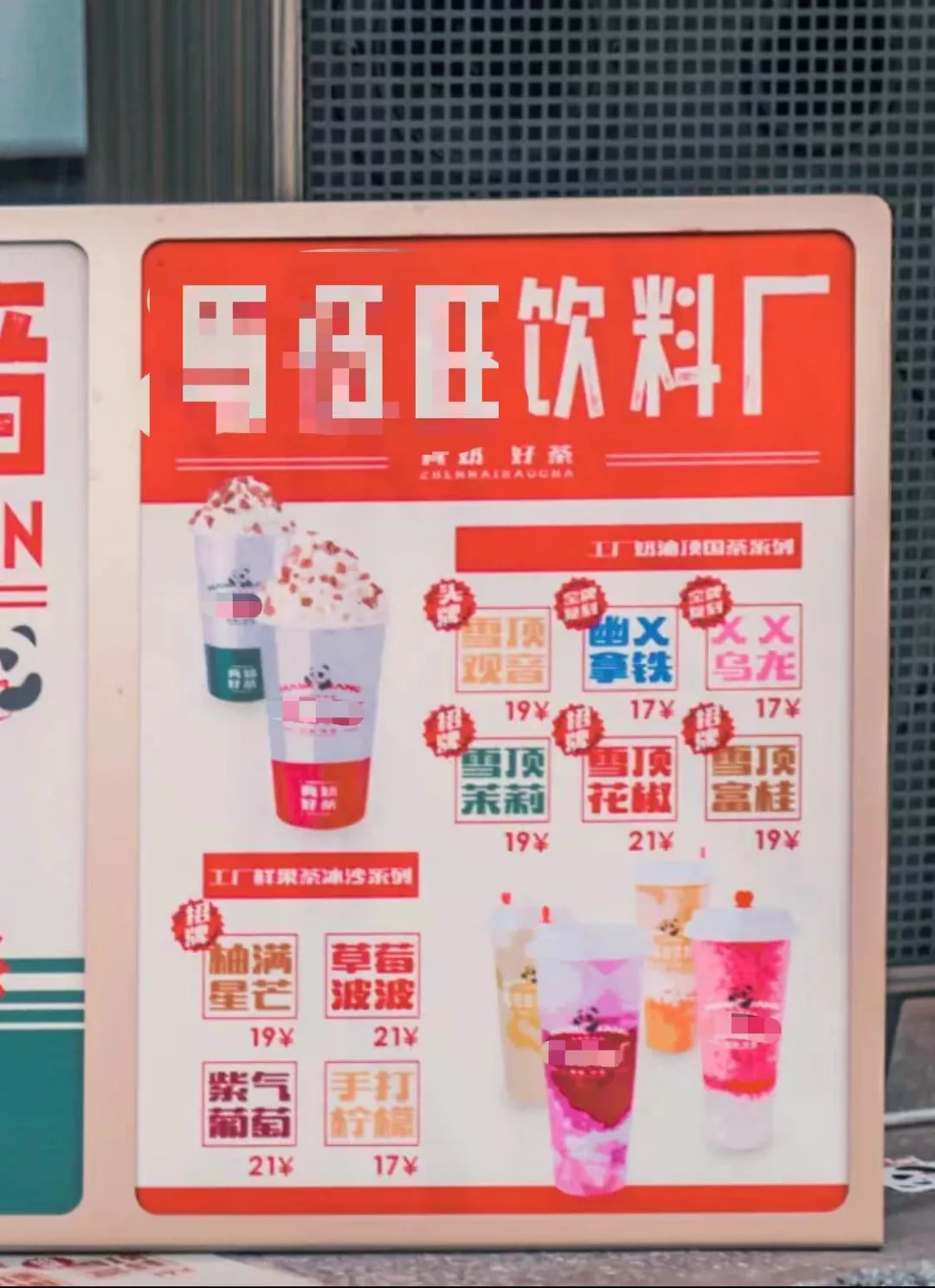
Protection for packaging/decorations falls underthe Anti-Unfair Competition Law. If a packaging design has developed “specific market recognition” that leads consumers to mistakenly associate it with the original brand, it may violate the “confusing conduct” clause in the Anti-Unfair Competition Law. However, in practice, it must be proven that the packaging already possesses market uniqueness and consumer recognition linkage—a relatively high threshold of proof.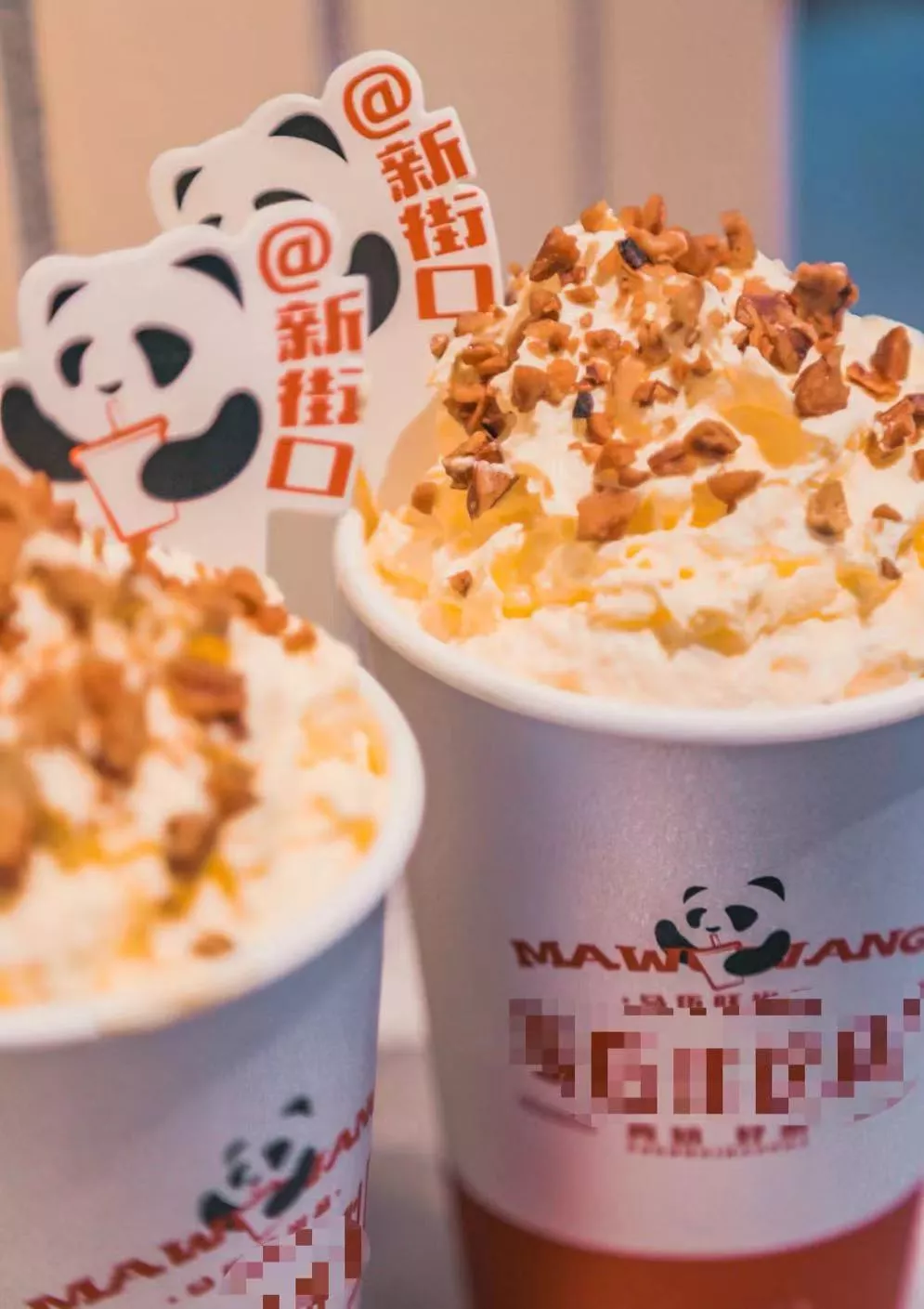
Copyright law protects “original expressions,” such as unique illustrations, photographic images, or design layouts. If Cha Yan Yue Se’s packaging includes protected original artworks (like specific illustrations or layout designs) and MayuWang directly copied those elements, it could constitute infringement. But if the styles are merely similar (such as both using classical Chinese ladies or ink-wash elements), yet the specific expressions differ, it is difficult to claim copyright infringement.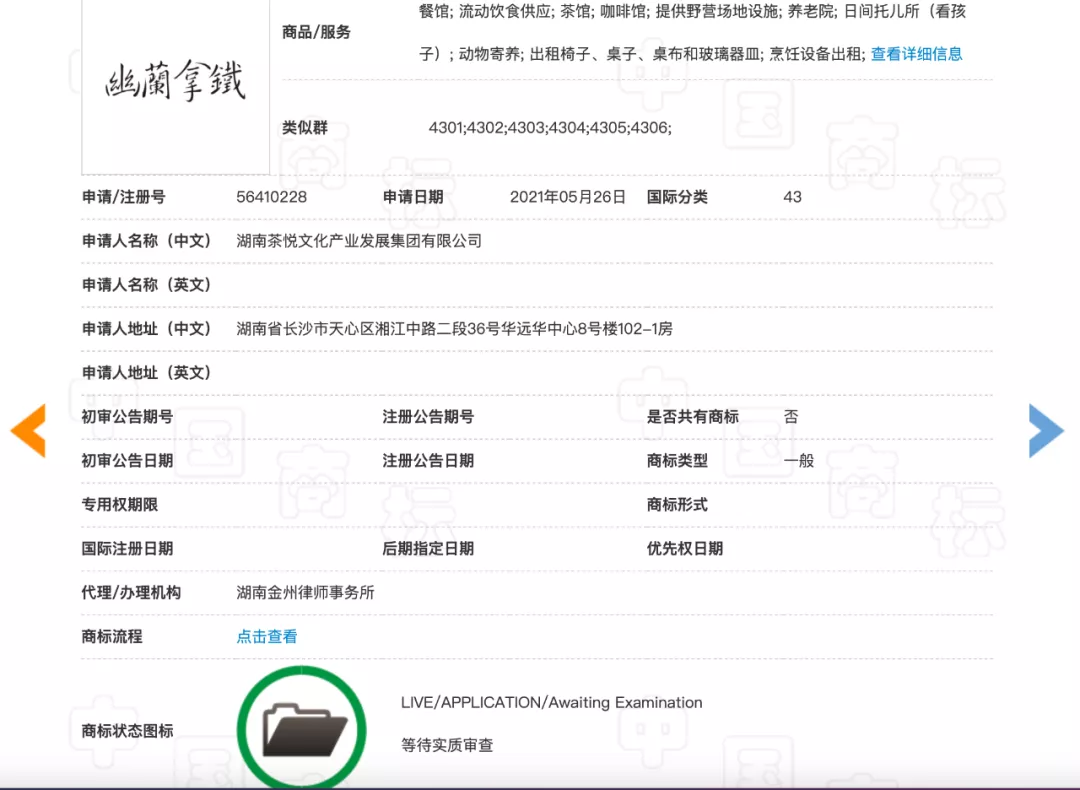
The coffee industry faces similar situations. Many specialty coffee brands draw inspiration from popular styles—for example, Japanese minimalism, Nordic design, or retro industrial aesthetics. As long as they do not directly copy another’s registered trademarks or protected visual elements and only adopt similar aesthetic styles, it typically does not constitute infringement. However, brands still need to be cautious about avoiding consumer confusion, especially when their market positioning and target audiences significantly overlap.
For new brands looking to enter the market, it is recommended to conducta market differentiation analysisduring the design phase, ensuring that while the packaging style may reference trends, it includes unique identifying elements. For example, adjusting color combinations, font choices, or pattern details can reduce the likelihood of consumer confusion. Additionally, consulting an intellectual property lawyer can help assess whether the design might entail legal risks.
In summary, the controversy between Cha Yan Yue Se and MayuWang highlights the gray area of “imitation” versus “innovation” in the food & beverage and coffee industries. The law protects specific trademarks, original expressions, and market recognition—not broad styles or aesthetics. When designing product packaging, brands should strike a balance between drawing inspiration and ensuring legal compliance, avoiding excessive similarities that may lead to consumer confusion or legal disputes.
The above content is compiled by CoffeeHunters, a coffee news website.


