







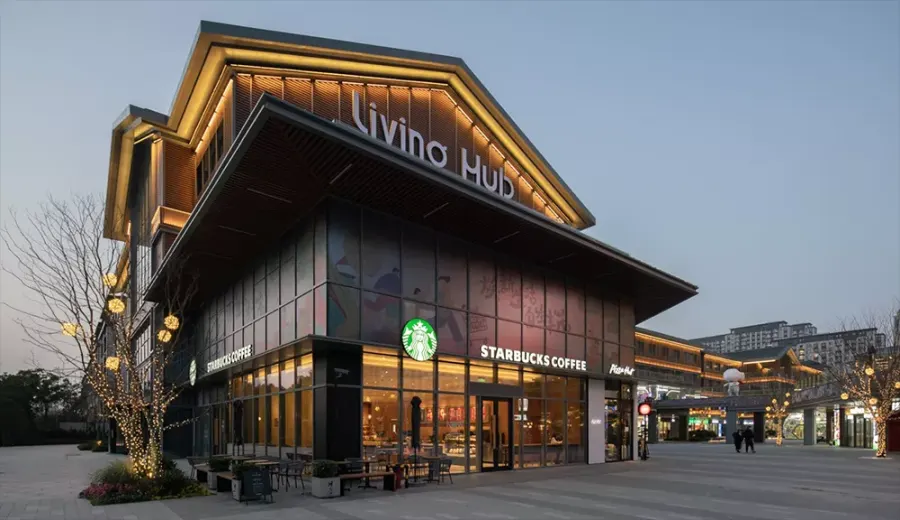
Introduction:Starbucks China’s second green store has debuted in Suzhou, achieving LEED’s highest certification level with comprehensive environmental upgrades across building materials and electricity use. This article dissects its specific measures to reduce carbon emissions by 10.57 tons/year and save 301.7 tons of water annually, including practical details like mercury-free LED lighting and a coffee grounds recycling system. It also compares differences with regular stores, offering a reference model for low-carbon transformation in retail.
Following Shanghai’s “Greener Store,” Starbucks launched its second mainland China “green store” on January 14, 2023, in Suzhou, officially kicking off its nationwide eco-friendly store rollout. Such stores must obtain LEED (Leadership in Energy and Environmental Design) platinum certification, which sets strict thresholds for energy efficiency, water resource management, and waste disposal—such as fully adopting mercury-free LED lighting systems, installing low-flow faucets, and converting 100% of coffee grounds into reusable resources.
The eco-design of the Suzhou store extends even to its interior finishes, utilizing reclaimed wooden tabletops made from recycled materials sourced from other stores, as well as treated red bricks for table leg structures—choices that not only reduce consumption of new resources,but also consider ease of future disassembly and reconfiguration.Additionally, the outlet purchases green electricity through China’s Green Certificate trading platform and provides staff aprons made from recycled PET plastic bottles, reducing its carbon footprint across multiple dimensions.
According to official data, a single green store can reduce approximately10.57 tons of CO₂ emissions annually,equivalent to the annual carbon sequestration of 580 fir trees; it also saves301.7 tons of water,about equal to the annual usage of 15 households. Scaling up to Starbucks’ goal of 60 such stores, the total annual carbon reduction could reach 634.2 tons, with water savings exceeding 18,102 tons.
Sustainable practices are also reflected in daily operational details:The store bans all single-use plastic straws.The first green store, “Greener Store,” had earlier introduced paper straws and implemented a strict waste sorting system; all in-store appliances are selected for high energy efficiency ratings and paired with smart control systems to optimize power consumption.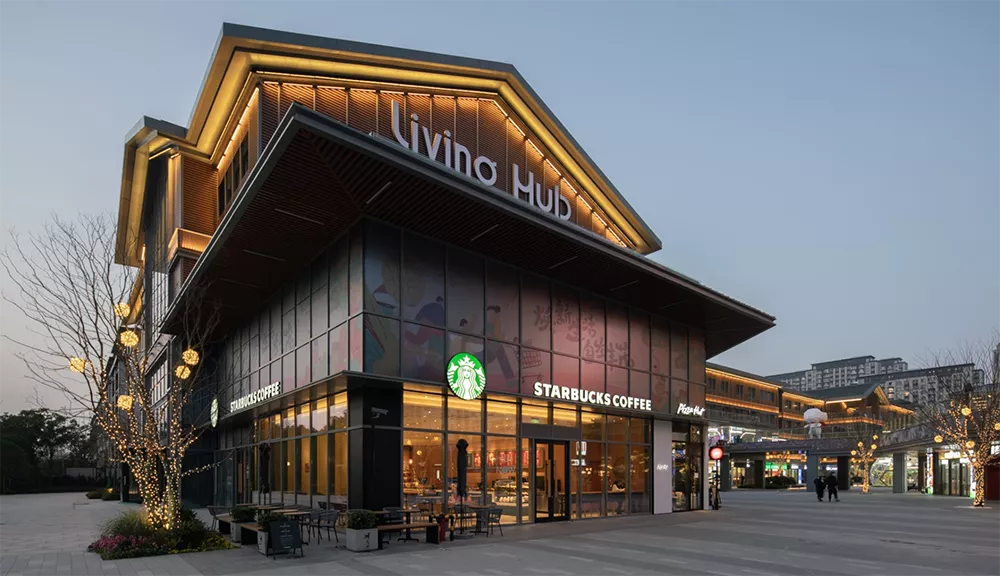 These measures not only meet international green building standards but also provide replicable emission-reduction solutions for the coffee retail industry.
Starbucks plans to add 60 more green stores of the same standard across mainland China within the next year and gradually integrate these environmental protocols into the design of all new stores and renovations of existing ones, driving sustainable transformation across the entire supply chain. Compared to traditional outlets, green stores demonstrate systematic environmental responsibility through their material choices, resource recycling mechanisms, and energy management strategies.
The above content is compiled by CoffeeHunters, a coffee news website.


