







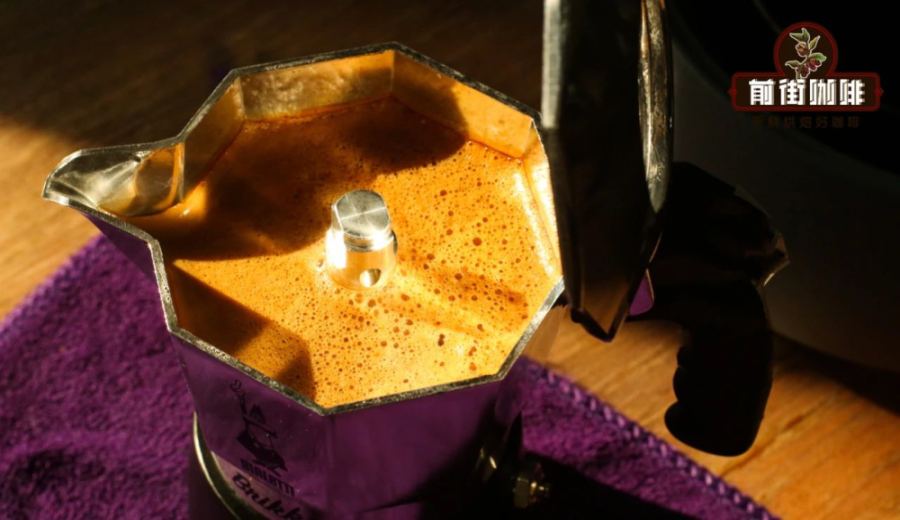
Introduction:Many coffee enthusiasts wonder: can coffee brewed with a moka pot also produce beautiful latte art? In reality, due to differences in extraction pressure and crema content, the latte art performance of moka pot coffee is often not as impressive as that of espresso. This article will provide an in-depth comparison through practical tests, analyzing the differences in latte art effects, crema richness, and extraction principles between the two, while also offering advice on bean selection, grinding, and operation to help you better unleash the potential of your moka pot and brew rich, aromatic coffee.
Many coffee lovers who enjoy brewing their own coffee often ask: "Can coffee made with a moka pot be latte-arted just like espresso from an espresso machine?" This is indeed a question worth exploring. To answer this, we used the same classic blended espresso beans as the base, extracting coffee with both a moka pot and an espresso machine, and conducted practical tests using identical milk foam and latte art techniques. The results showed that moka pot coffee produced patterns with lighter colors, blurred lines, and less contrast; in contrast, espresso extracted with an espresso machine yielded clearer patterns with sharp edges, strong color contrast, and superior visual effects.
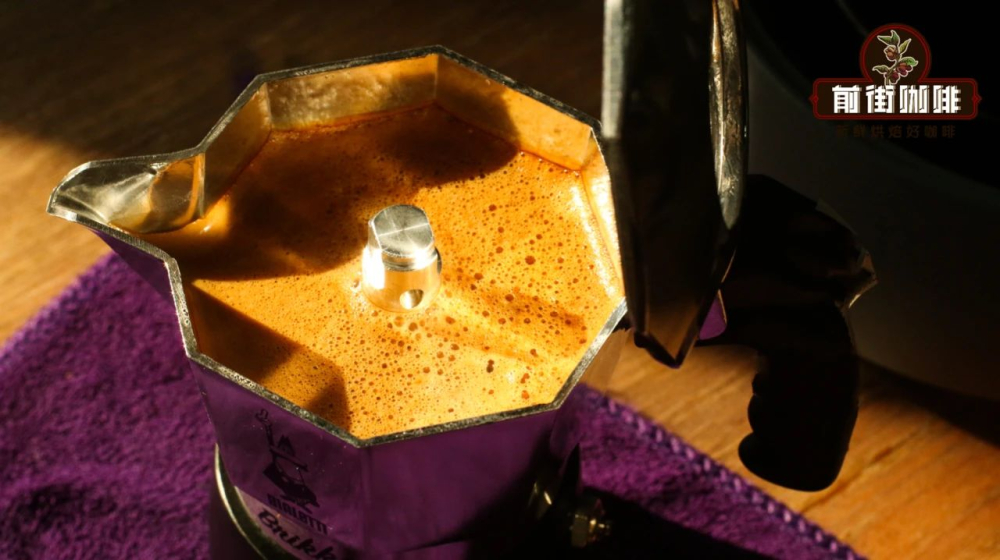
Why is there such a difference? The key lies in “crema” and “extraction pressure.” The coffee brewed with a moka pot has a thinner layer of crema on the surface that tends to dissipate quickly, noticeably reducing within seconds; whereas espresso from an espresso machine is covered with a thick, dense, and long-lasting layer of crema. This rich crema not only increases the viscosity of the coffee liquid but also aids in controlling the flow during latte art, resulting in clearer and more three-dimensional patterns.
In our practical tests, we followed standard procedures: first, we extracted a shot of coffee using both a moka pot and an espresso machine; then, we used the same steam wand to froth two portions of milk and performed latte art with similar techniques. The final results were immediately obvious—latte art from moka pot coffee appeared blurrier, while espresso showcased stronger visual contrast and finer detail.
This difference in performance primarily stems from the fundamental variation in extraction pressure between the two methods. Espresso machines extract coffee by pushing nearly boiling water (around 90°C) through a compact puck of coffee grounds at high pressure (9–12 bar). This high-pressure environment helps extract more flavor compounds and crema, resulting in a rich and dense espresso with fine crema. In contrast, a moka pot relies on steam pressure generated by heating, which only provides about 1–2 bar of pressure. Although it can produce a coffee similar in strength to espresso, it cannot match professional machines in terms of crema release and stability.
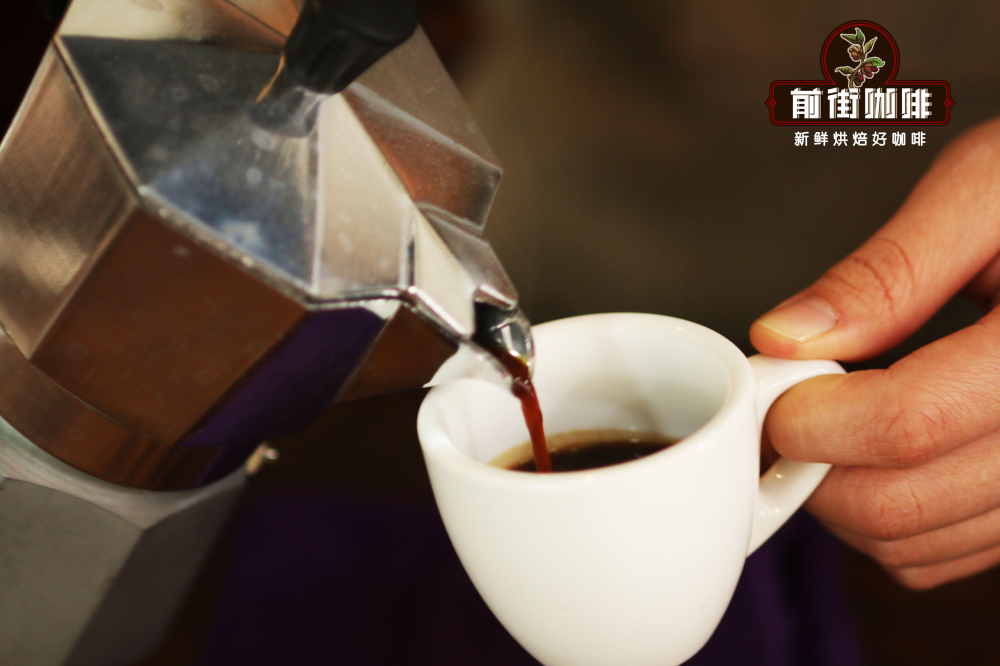
The original purpose of the moka pot was to allow people to easily make a strong, flavorful cup of coffee at home or outdoors—not to completely replace professional espresso machines. Therefore, if you’re using a moka pot at home, there’s no need to obsess over latte art; instead, you can focus more on brewing a rich and balanced cup of coffee.
To enhance the overall performance of moka pot coffee, selecting the right coffee beans and grind size is crucial. Generally speaking,medium-dark to dark roastedcoffee beans, which contain richer oils and aromatic compounds, are more suitable for the high-temperature, fast-extraction method of a moka pot. These beans typically showcase intense notes of chocolate, nuts, or caramel, complementing the pressurized extraction of the moka pot.
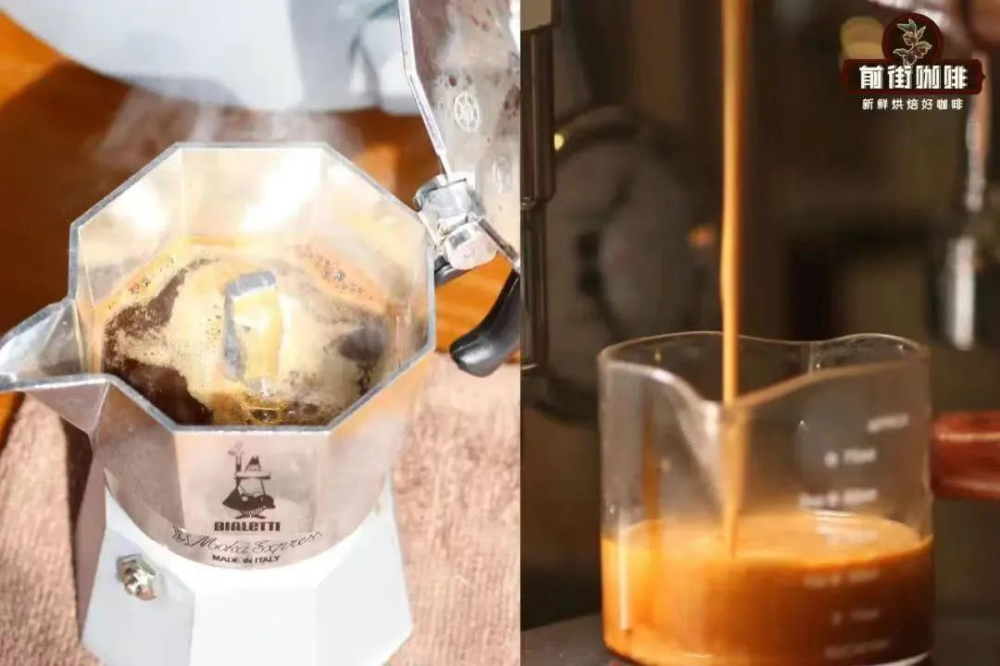
Additionally,grind sizeis another important factor affecting extraction. The ideal grind size for a moka pot falls between that of pour over and espresso—finer than typical pour over coffee but slightly coarser than the ultra-fine grind used in professional espresso machines. If the grind is too coarse, it may lead to under-extraction, resulting in weak flavor or even channeling; if it’s too fine, it can cause over-extraction, making the coffee taste bitter or burnt. It is recommended to use a fine and consistent grind, close to espresso grind but slightly coarser, to ensure smooth water flow and full extraction of the coffee’s essence.
It’s worth mentioning that the choice of heat source for the moka pot also affects the final extraction quality. It’s advisable to use medium to low heat for stable heating to avoid localized overheating, which can lead to uneven extraction or over-extraction. Once the water boils and starts generating steam pressure, you can turn off the heat or remove the heat source, allowing the coffee to drip through naturally to complete extraction.

In summary, although the moka pot may not match the latte art capabilities of a professional espresso machine, by choosing the right beans and mastering the grind and extraction techniques, you can still easily brew a rich and full-bodied cup of coffee at home. If you’re a beginner coffee enthusiast, the moka pot is a great place to start—experience the charm of pressurized extraction, and then gradually explore the diverse world of coffee flavors.
The above content is compiled by CoffeeHunters, a coffee news website.


