







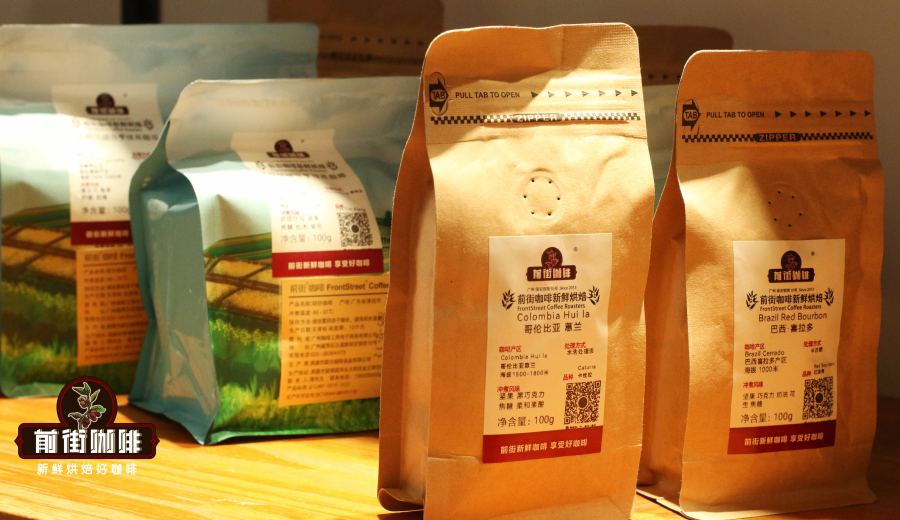
Introduction:Pour over and espresso machines differ greatly in extraction methods and flavor profiles. This article provides an in-depth comparison of the two, analyzing the gentle characteristics of hand-ground coffee and the bold flavors of espresso. It also highlights three high-altitude single-origin beans from Ethiopia, Costa Rica, and Indonesia, detailing their regional features, processing methods, and practical pour over recommendations including grind size, water temperature, and pouring techniques to help you find the best hand-ground beans and brewing setup.
Hand-ground coffee and espresso machines show significant differences in extraction principles and taste profiles. Espresso relies on high-pressure, fast extraction to produce a rich body and the captivating Crema layer, while pour over uses a drip filtration method with lower water temperature and a slow, fine water stream to better highlight the intrinsic flavor layers of the coffee bean. Starting from the fundamentals of these two brewing methods, this article compares their core differences and recommends three distinctive single-origin beans ideal for pour over—Yirgacheffe from Ethiopia, Tarrazú from Costa Rica, and Mandheling from Sumatra, Indonesia. It also provides detailed regional backgrounds, processing explanations, as well as practical pour over parameters and flavor profiles, enabling coffee enthusiasts to choose the most suitable hand-ground beans according to personal taste preferences.
[Machine Coffee Representative: Espresso]
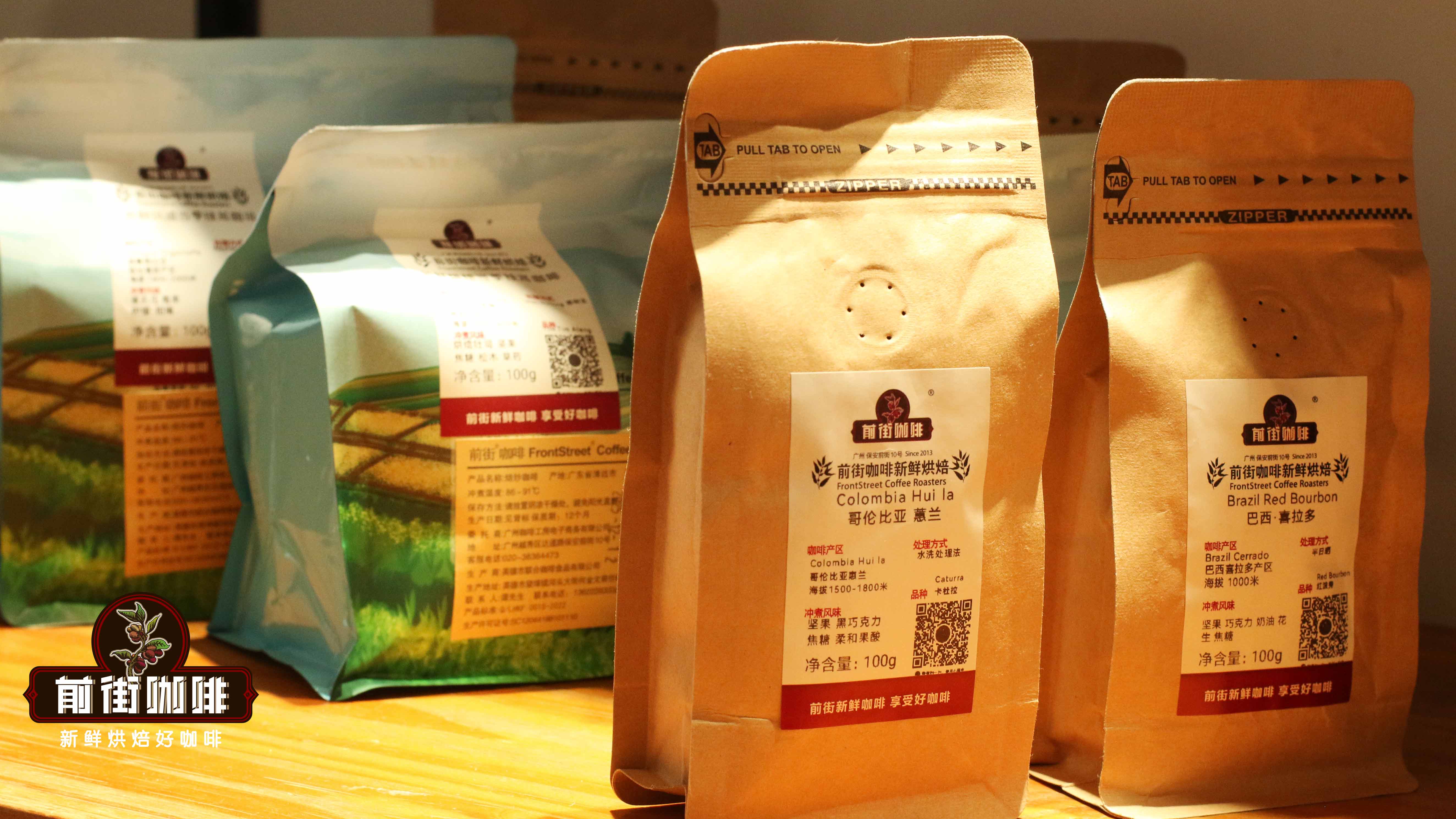
The working principle of an espresso machine involves grinding coffee beans into extremely fine powder, tamping them into the portafilter basket, and then forcing hot water through the tightly packed coffee bed under around 9Bar of pressure in a very short time. This extracts a large amount of soluble flavor compounds, resulting in a thick, bold coffee liquid. This high-pressure extraction creates a fine golden to brown crema on the surface, whose color and aroma often directly reflect the roast depth and quality of the beans. Generally, medium to dark roasted beans can better withstand high-pressure extraction, showcasing rich notes of caramel, chocolate, and nuts. Common espresso beans such as Brazil Queen Estate with its roasted peanut aroma, Indonesia Golden Mandheling with distinct spice tones, or Strawberry Candy Espresso with prominent fruity notes are all classic blends used by cafés. Espresso can also be diluted to make Americano or combined with milk to create variations like latte and cappuccino, making it ideal for consumers who prefer strong flavors and versatile drink options.
[Hand-ground Coffee Representative: Pour Over Extraction]
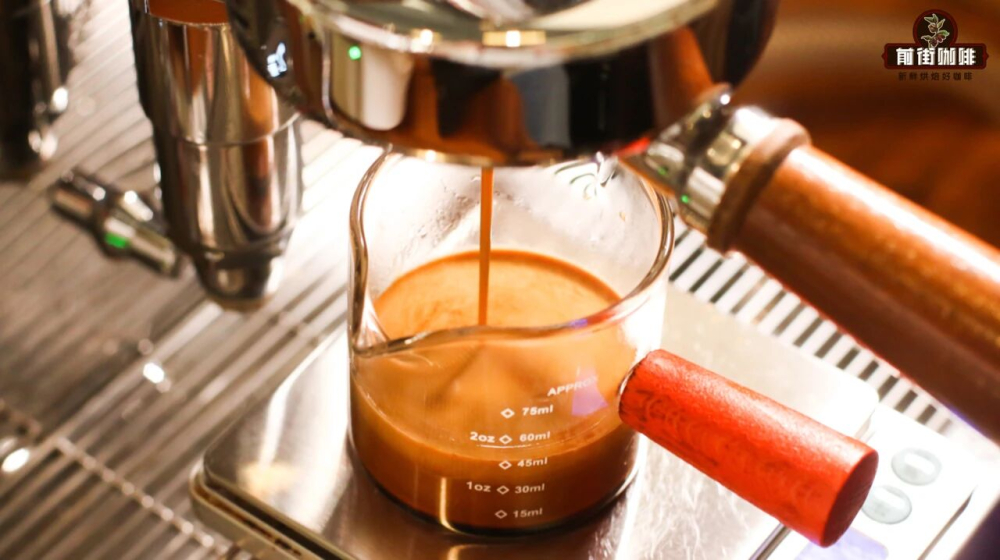
Pour over coffee employs a drip filtration method where medium-fine ground coffee is slowly poured with hot water at around 88-93°C. The coffee grounds are filtered through a filter cone and paper, allowing the water to uniformly contact the coffee layer and gradually release flavor compounds. This method does not rely on high pressure but instead controls extraction efficiency through time and water temperature, resulting in a typically cleaner, brighter acidity that more authentically reflects the bean’s regional characteristics and processing flavors. To brew an ideal cup of pour over, in addition to selecting the right beans, one needs essential tools: a pour over kettle with stable flow, a suitable filter cone and paper, a server, a precise grinder, a scale to track coffee-to-water ratio and pouring volume, and a thermometer to monitor water temperature. Pour over offers great flexibility for exploring different regions and processing methods, making it a top choice for many beginners and advanced coffee enthusiasts.
[Pour Over Recommendation 1: Ethiopia Washed Yirgacheffe]
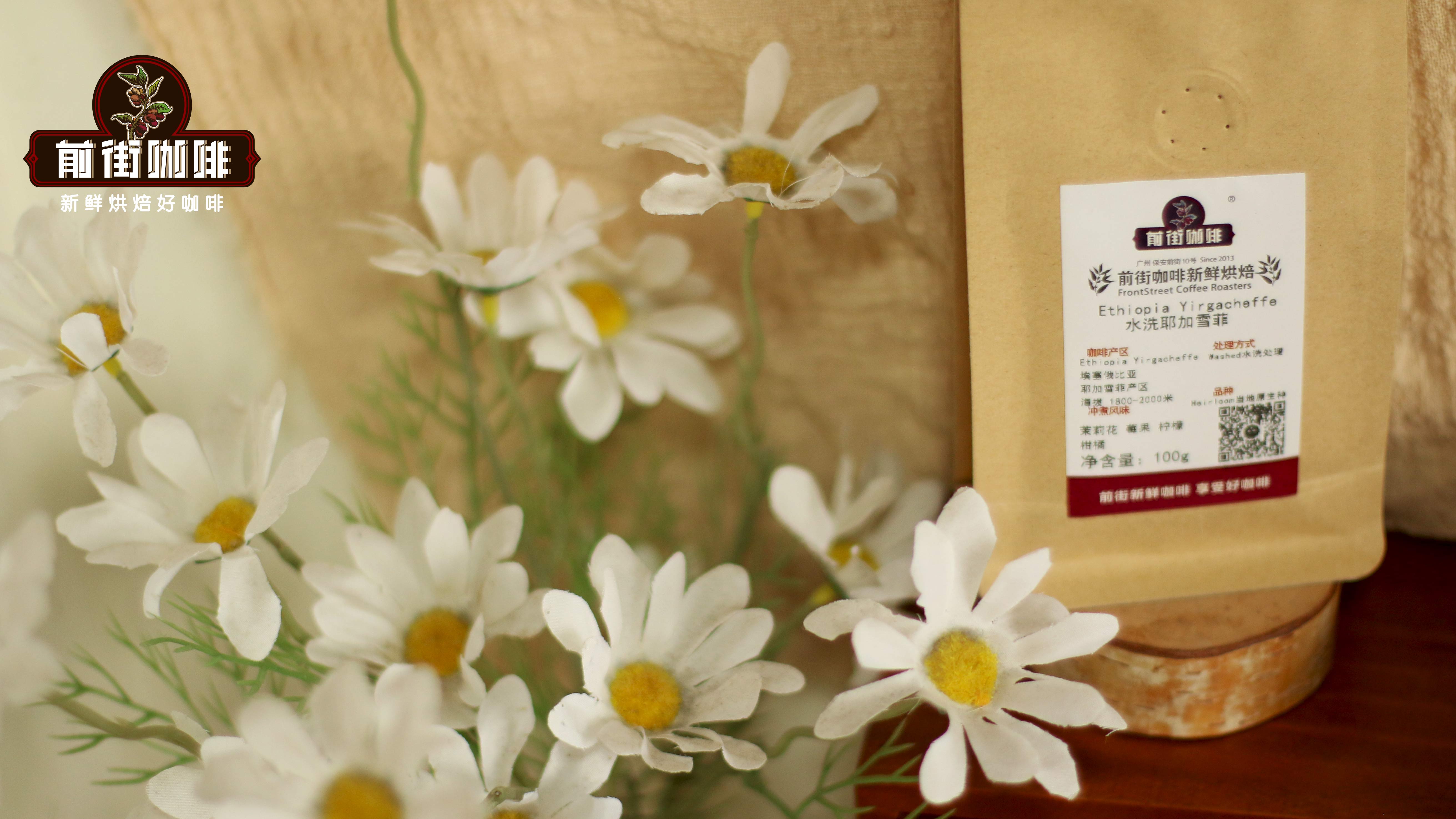
Grown at elevations of 1800-2000 meters, Yirgacheffe is a world-renowned high-altitude specialty coffee region known for its unique floral and fruity acidity.The variety is a local heirloom, processed via the washed method, resulting in bright lemon and citrus acidity along with a rich jasmine-like aroma.. This bean has a clean, delicate taste with a tea-like body, reminiscent of sipping a crisp lemon tea. The washed process preserves the coffee's purity and flavor complexity, making it the best entry point to understanding Yirgacheffe's character.Recommended pour over parameters: water temperature 90-91°C, grind size about the size of superfine sugar (EK43s grinder setting 10, 20号筛碗sifted to 80%), coffee-to-water ratio 1:15, 15 grams of coffee.. Brewing method follows a three-stage pour: first, 30 grams for a 30-second bloom, then pour 95 grams (total ~125 grams) in about 1 minute; when the water level drops to 2/3 of the coffee bed, pour another 100 grams (total ~225 grams) to finish pouring in about 1 minute 40 seconds, with dripping completed between 1 minute 55 seconds and 2 minutes. Flavor notes include jasmine, berry juice, clear lemon and citrus acidity, overall bright and refreshing.
[Pour Over Recommendation 2: Costa Rica Tarrazú]
From the Tarrazú region, located south of the capital San José in Costa Rica at around 1500 meters altitude, this area is known for its balanced flavors and full body. The coffee beans here are predominantly Catuai and Caturra varieties,After washed processing, they exhibit sweet orange acidity, honey-like sweetness, and toffee aroma, with a mid-palate of nuts and chocolate, and a lingering cedar finish. The overall profile is round and smooth.. Tarrazú beans have a full body with a rich mouthfeel, suitable for those who enjoy medium acidity and layered complexity.Recommended pour over settings are also 90-91°C water temperature, EK43s grinder setting 10 (sifted to 80%), coffee-to-water ratio 1:15, 15 grams of coffee.. Brewing method: first, 30 grams for a 30-second bloom, then pour 95 grams (~125 grams) within 1 minute; when the water level drops to 2/3, pour another 100 grams (~225 grams) to finish pouring in about 1 minute 40 seconds, with dripping complete at around 2 minutes 3 seconds. Flavor profile is clear with sweet orange acidity, distinct nut and chocolate layers in the mid to late palate, and a long-lasting caramel aftertaste.

[Pour Over Recommendation 3: Indonesia Mandheling]
Mandheling from the Sidikalang region of Sumatra, grown at altitudes between 1100-1600 meters, is processed using the traditional wet-hulled (Giling Basah) method, resulting in low acidity, high body, and unique herbal and woody notes.The varieties include Typica and Caturra. During processing, the beans often develop a horse hoof-like crack, but this does not affect quality—in fact, it is a typical characteristic of Mandheling.. This coffee features flavors dominated by toasted bread, nuts, and caramel, with a lingering herbal and piney finish, suitable for those who prefer a bold, rich taste.Recommended to use a Kono filter, water temperature 87-88°C, EK43s grinder setting 11 (coarse sugar size), coffee-to-water ratio 1:15, 15 grams of coffee.. Pour over method: 30 grams water for a 30-second bloom, then small circular pours to reach 125 grams for the first pour, continuing until 225 grams just before the water level drops again, then removing the filter once the water level is about to drop again. Total brew time is about 2 minutes. Flavor notes include pronounced herbal and botanical tones, dark chocolate, and caramel aromas, with a sweet and lasting finish.
The above content is compiled by CoffeeHunters, a coffee news website.


