







Introduction:Channeling is a common issue that affects the extraction stability of espresso, often leading to imbalanced flavors and compromised mouthfeel. This article delves into the causes of uneven puck density, and systematically explains how to optimize various operational aspects—from distribution techniques, tamping methods, dose control, grind size settings, to shower screen maintenance—to prevent high-pressure water from breaching weak spots, thereby improving extraction uniformity and overall flavor performance.
When making espresso, many coffee enthusiasts encounter a phenomenon: even when using the same coffee beans and machine, sometimes the extraction turns out uneven with jarring flavors. This is very likely caused by "channeling." When the internal structure of the coffee puck is inconsistent in density, the high-pressure hot water will choose the path of least resistance to pass through quickly, resulting in over-extraction in some areas and under-extraction in others, ultimately affecting the overall taste.
Channeling refers to the occurrence during extraction where, due to uneven puck density, water naturally seeks the path of least resistance rather than evenly penetrating the entire coffee bed. Once these “shortcuts” form, they lead to certain areas of coffee grounds not being fully extracted, while the areas where water concentrates may become over-extracted, resulting in an unbalanced final cup with qualities such as wateriness, excessive acidity, or burnt bitterness.
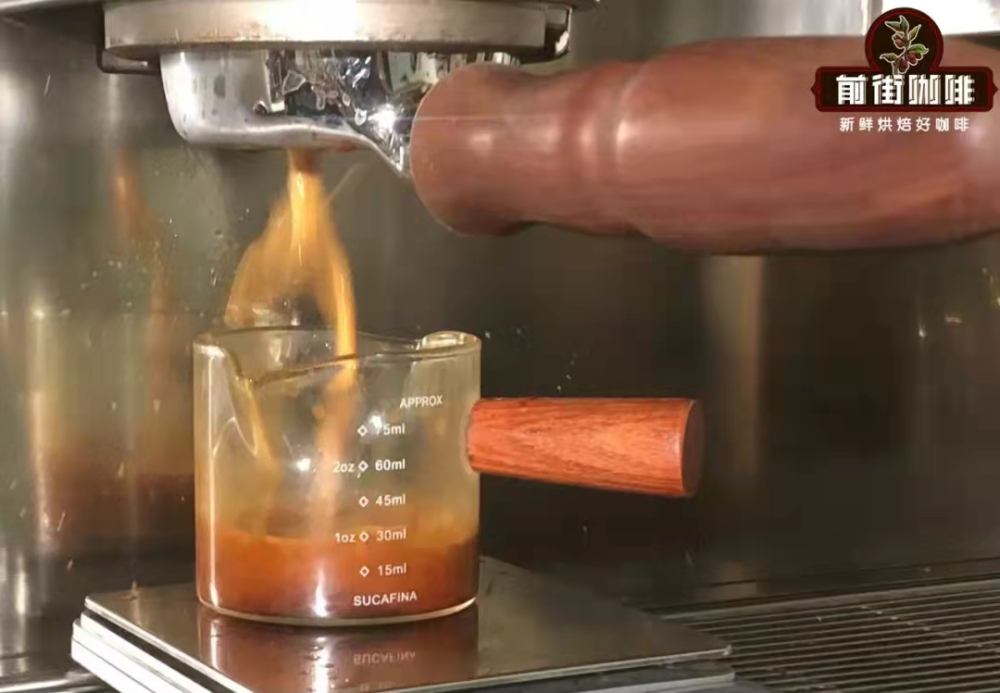
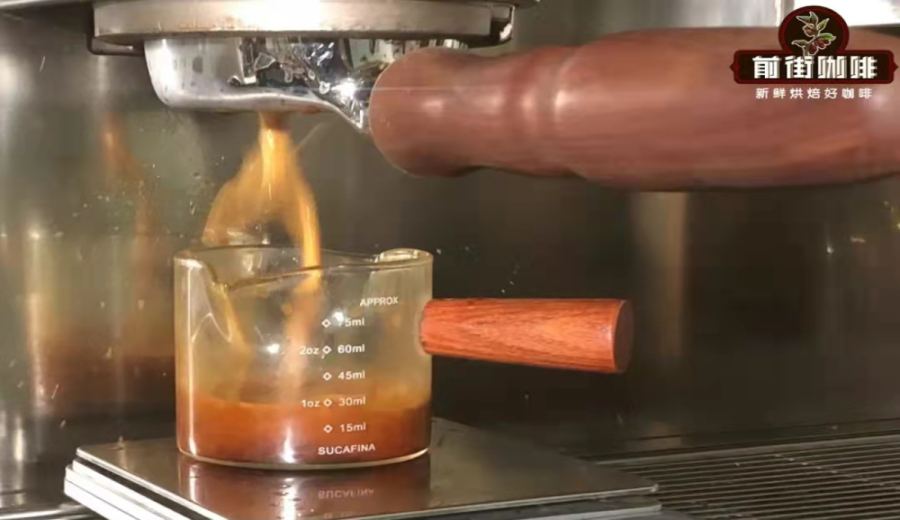
The most straightforward way to observe channeling is by watching for liquid piercing or splashing during extraction with a bottomless portafilter—severe cases may even cause splashes onto the machine’s shower screen guard. If using a split portafilter, you might notice inconsistent flow rates on either side, fluctuating speeds, and spurts of liquid. After extraction, if you see obvious puncture marks at the bottom of the puck, it’s a clear sign that channeling has occurred.
So, what factors tend to cause channeling? The first and foremost involves the steps of distribution and tamping. Many beginners often wonder, “Why does it work smoothly for others, but I run into issues so frequently?” In fact, improper distribution and tamping are common culprits behind channeling.
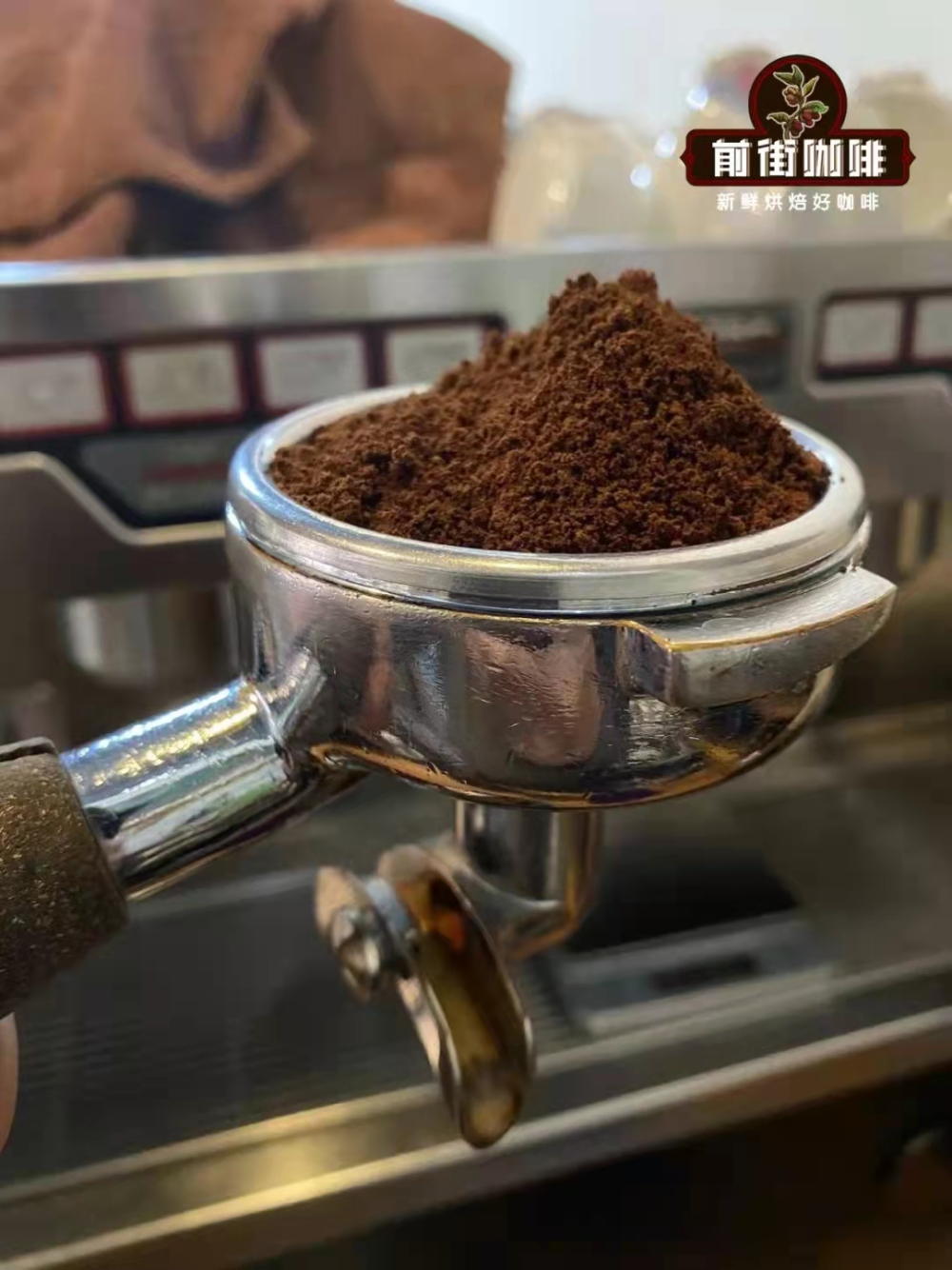
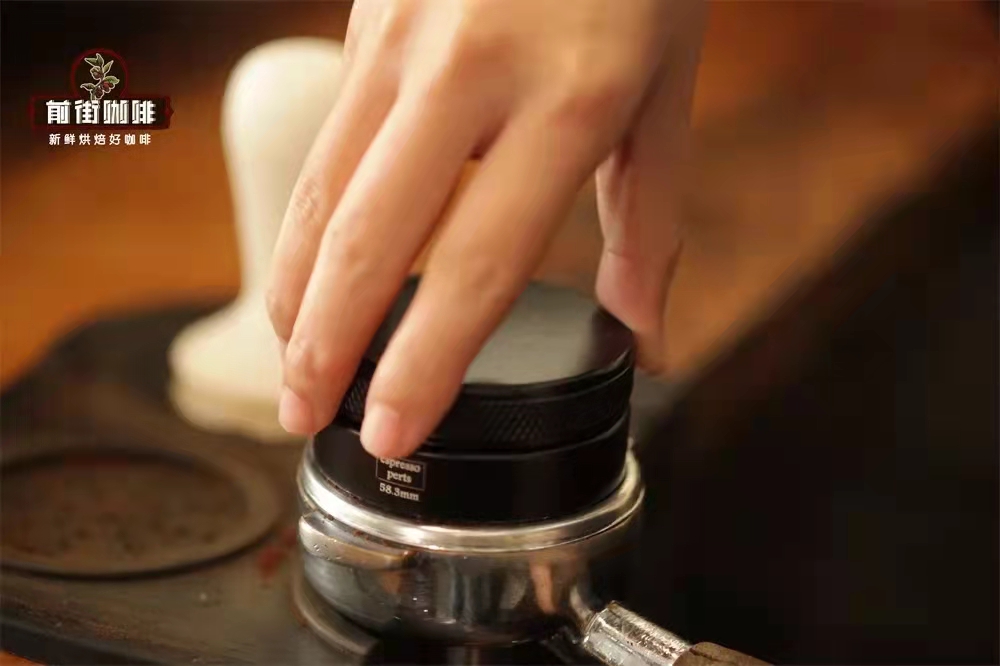
Ideal distribution ensures that coffee grounds are uniformly spread within the portafilter basket, laying a solid foundation for subsequent tamping. When using a distribution tool, it’s recommended to first pile the coffee grounds in the basket into a small mound that is slightly higher in the center and lower around the edges. Then, place the distributor vertically and rotate it smoothly several times. Avoid knocking the portafilter during this process to ensure an initially even coffee bed. This type of distribution is relatively stable and helps achieve uniform force during tamping.
If the distribution step has been done as evenly as possible, the key to tamping lies in compacting the coffee bed firmly. Many people worry that tamping too hard will impede water flow, but in reality, as long as you tamp until you feel you can’t press down any further, that’s sufficient. It’s worth noting that the tamping pressure we typically apply is actually minimal compared to the 9-bar pressure during extraction. What really matters is avoiding any violent collision between the portafilter and the group head when attaching them, which could create gaps between the puck and the basket—these gaps are also a form of channeling.
Another important factor influencing channeling is dose control and grind size setting. When the dose is insufficient, there may be gaps between the puck and the shower screen. During the initial phase of extraction, the surface coffee grounds are prone to shifting, disrupting the original coffee bed structure and leading to uneven resistance, which can trigger channeling. To determine whether the dose is appropriate, observe whether coffee grounds remain on the shower screen after attaching the portafilter—if the dose is too high, the portafilter usually won’t fit properly; if it fits well and the shower screen shows no obvious coffee grounds sticking, the dose is generally reasonable.
Most OEM portafilter baskets come with an outwardly indented warning line. After tamping, the puck surface should be controlled near this line—not exceeding it nor being too far below—to maintain proper extraction pressure and uniformity. An insufficient dose not only risks a loose puck, but also causes water to concentrate and penetrate through a few pathways, negatively impacting overall extraction quality.
Additionally, the cleanliness and maintenance of the shower screen is also a crucial aspect that shouldn’t be overlooked. If the shower screen accumulates fine coffee particles or debris over time, it may lead to uneven water distribution and localized high pressure, which can pierce through the coffee bed. It’s recommended to regularly disassemble and clean the shower screen, checking for blockages or uneven water flow. As a practical test, remove the shower screen and press the extraction button—if a strong, concentrated jet of water appears, it may indicate that the shower screen is not effectively dispersing the water, requiring further cleaning or maintenance.
In summary, avoiding channeling requires a comprehensive optimization of multiple factors including distribution evenness, tamping technique, dose control, grind size adjustment, and shower screen condition. Only by ensuring each step is performed as well as possible can we guarantee that high-pressure hot water uniformly penetrates the entire coffee puck, ultimately achieving a balanced and complex espresso flavor.
The above content is compiled by CoffeeHunters, a coffee news website.


