








Introduction:Coffee consumption is often labeled with "high-end" or "low-end" tags, but in reality, each price point has its own value. This article starts with market data to analyze the consumption distribution across instant coffee, affordable chains, and specialty pour over, exploring how each tier meets different needs. By understanding the characteristics and market positioning of various types of coffee, readers can view their coffee choices more rationally and recognize the diverse facets of coffee culture.
In the world of coffee, some believe there’s an invisible “hierarchy,” as if the type of coffee you drink reflects your social status. However, for most consumers, affordable coffee is the real daily choice. Whether in bustling cities or quiet towns, the role of coffee varies, but its core value always revolves around “meeting needs.”
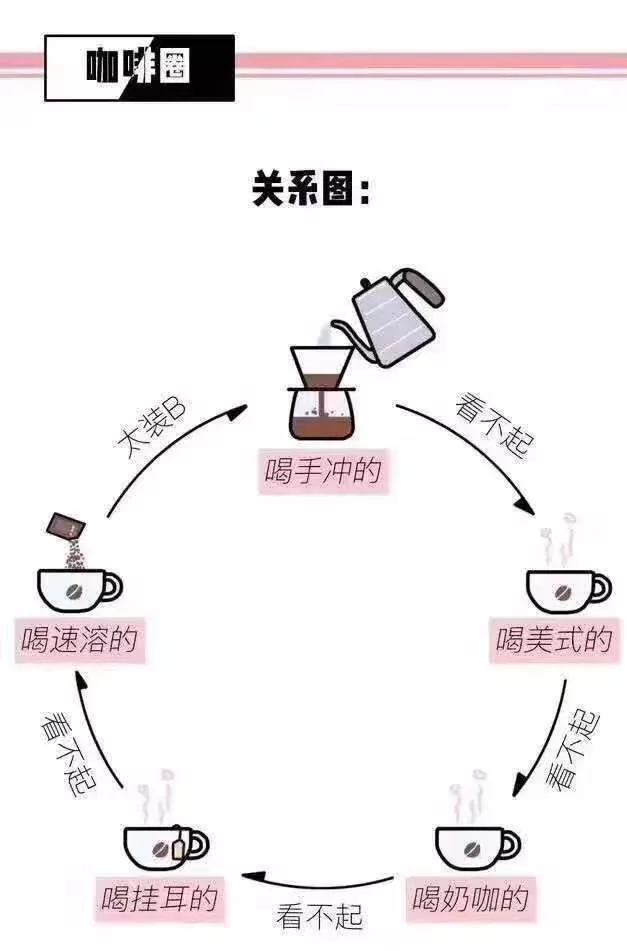
When choosing coffee, many people prioritize convenience and functionality over complex flavor profiles. For office workers in big cities, coffee may simply be a beverage to boost energy, where the focus is often on whether the caffeine content can sustain a full day’s work rather than subtle fruit acidity or rich body. In contrast, those who can appreciate bright acidity and complex flavors remain a minority.
Looking further at consumption trends across different cities, clear regional differences emerge. In third- and fourth-tier cities, the price of pour over coffee often deters average consumers, and international chains like Starbucks are also relatively high-priced options. As a result, instant coffee remains the mainstream in these markets due to its low cost and easy availability. According to the latest China Coffee Consumption Report, although the market size of freshly ground coffee has been growing year by year, instant coffee still holds the top spot in overall sales volume.
Notably, a significant part of the growth in freshly ground coffee comes from the rise of affordable chain coffee brands. Take Xingyun Ka as an example—this brand has successfully popularized freshly ground coffee in lower-tier markets through its low-price strategy and extensive franchise model. Many local investors have spotted the business opportunity and chosen to open franchises, enabling more consumers to access the flavors of freshly ground coffee at reasonable prices.
As for second- and third-tier cities, Luckin Coffee has become the first choice for many consumers thanks to its affordable prices and frequent promotions. Compared to independent cafes or Starbucks, Luckin not only offers more competitive pricing but also a more diversified product line to meet the needs of different consumer groups. In first-tier cities, although Starbucks’ concept of the “third space” still holds some appeal, domestic brands like Luckin and Manner also boast large consumer bases, demonstrating the diversity of the market.
These phenomena reveal an important truth: without instant coffee as an entry point, and without affordable chain brands promoting the concept of freshly ground beverages, specialty coffee and pour over culture might not have gained the market acceptance they enjoy today. As consumers gradually become familiar with the basic flavors of coffee, some naturally develop a deeper interest and begin exploring the world of specialty coffee.
However, choosing to enjoy specialty coffee or try pour over doesn’t mean other consumers need to possess the same level of appreciation. Each type of coffee suits different scenarios and audiences, from a French afternoon by the Seine to an instant coffee stall on a Vietnamese street—each showcases the broad inclusiveness of coffee culture.
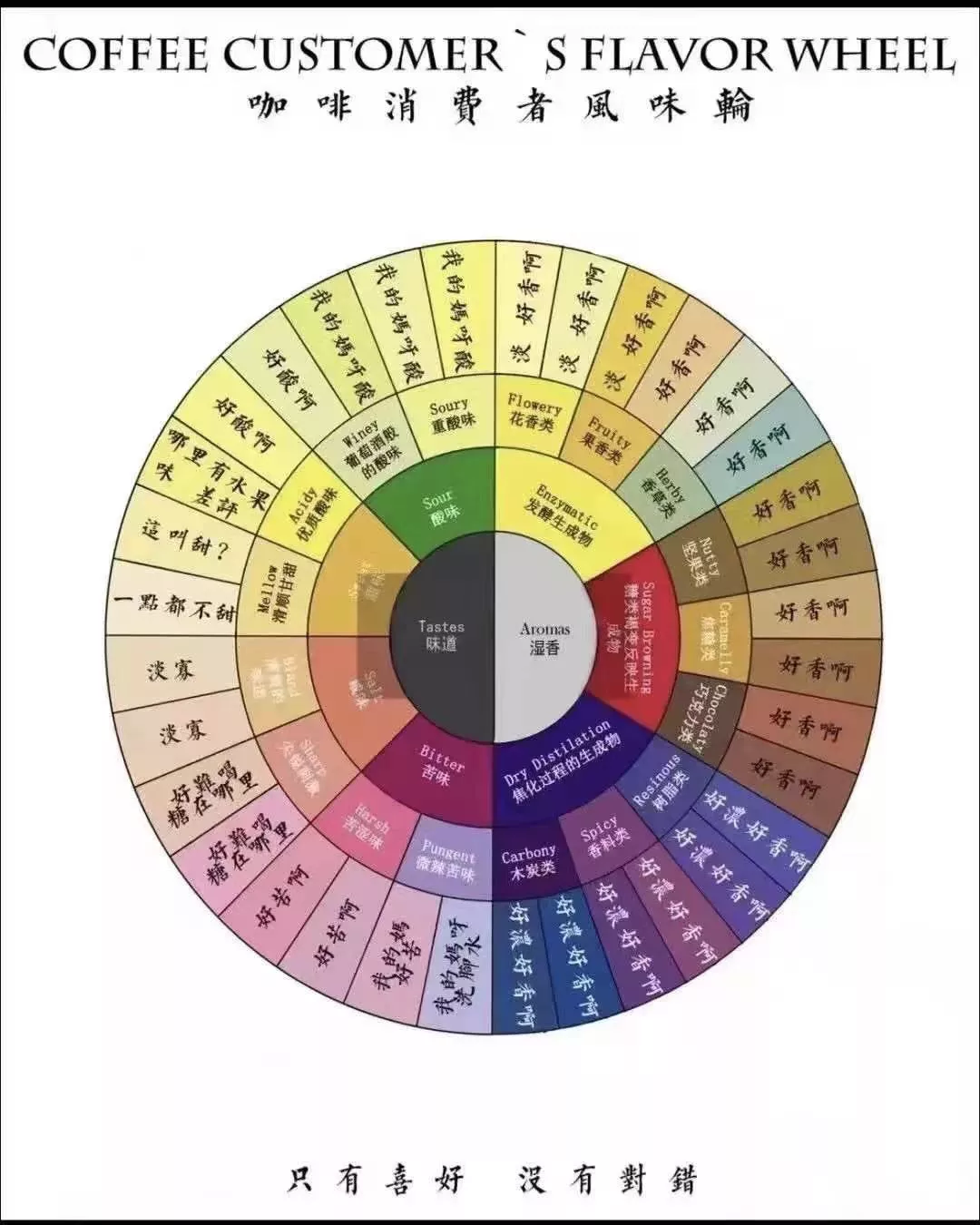
When we step into the realm of specialty coffee, continuous learning and sharing of accurate knowledge are essential. Understanding parameters such as roast level, grind size, water temperature control, and extraction time can help improve brewing quality. For example, common pour over extraction parameters include using medium-fine grind, water temperature around 90–94°C, and completing the brew in about 20–30 seconds per minute—these details all influence the final flavor. But more importantly, we should share this knowledge with an open and inclusive attitude to those who want to learn about coffee, rather than looking down on beginners.
The healthy development of coffee culture relies on the positive participation of everyone. Whether you choose an instant coffee to perk up or savor the layered nuances of a pour over, both deserve respect. Let’s promote the positive spread of coffee culture together with an inclusive and rational mindset.
The above content is compiled by CoffeeHunters, a coffee news website.


