







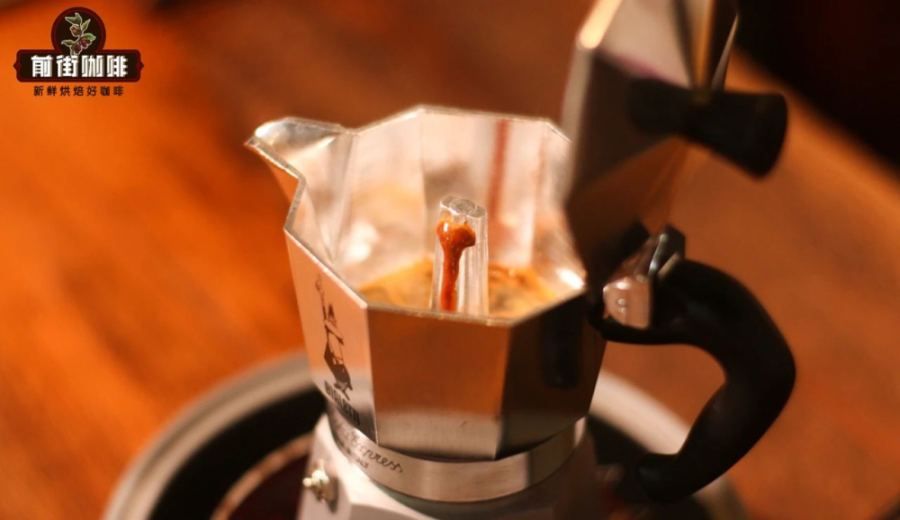
Introduction:The Moka pot is a common stovetop espresso maker found in the homes of many coffee enthusiasts. However, to brew rich and smooth coffee, factors such as flame intensity, timing of removing from heat, and grind size are all crucial. This article delves into the differences between single-valve and double-valve Moka pots, optimal grind settings, water temperature control, cleaning tips, and recommends several coffee bean options suitable for Moka pot extraction, helping you achieve professional-level espresso flavor at home.
The Moka pot is a classic Italian coffee brewing device, invented by Alfonso Bialetti in 1933, and remains a top choice for many households aiming to make strong coffee.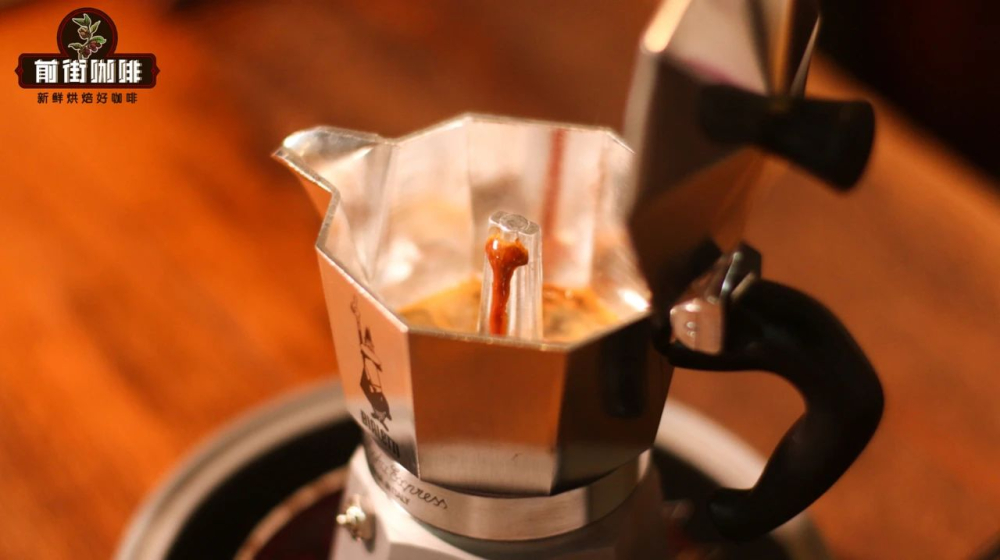 Although it may seem simple to operate, poor control over flame intensity or the timing of removing from heat can easily affect the final extraction results and flavor profile.
Compared to the clarity of pour over and the richness of espresso machine brews, coffee made with a Moka pot sits somewhere in between—offering a higher level of intensity but with slightly less crema and overall complexity than professional espresso machines. However, with the correct parameters and techniques, a home Moka pot can still reliably bring out the aroma and bold body of dark roast beans.
Moka pots are mainly divided into single-valve and double-valve types. The single-valve design allows brewed coffee to flow directly through a hollow tube, featuring a simple structure that is suitable for beginners. In contrast, the double-valve Moka pot has an additional pressure valve on top of the tube, which only opens when internal pressure reaches a certain level, resulting in higher extraction pressure, richer crema, and an even more intense flavor. Therefore, if you’re seeking a fuller body and more abundant crema, the double-valve is the better option.
The extraction principle of a Moka pot is actually similar to that of a simplified espresso machine. When the lower chamber is heated, water turns to steam, and the expanding air pushes the hot water through the coffee grounds in the middle, eventually reaching the upper chamber. Due to the pressure, the flavor compounds in the coffee are extracted more efficiently, so compared to pour over, Moka pot coffee is generally more intense and features a certain level of crema.
In practice, it is recommended to use medium to dark roasted coffee beans to bring out richer caramel, nutty, and chocolatey notes. Too light a roast can lead to excessive acidity and unpleasant flavors, which do not pair well with the extraction characteristics of a Moka pot.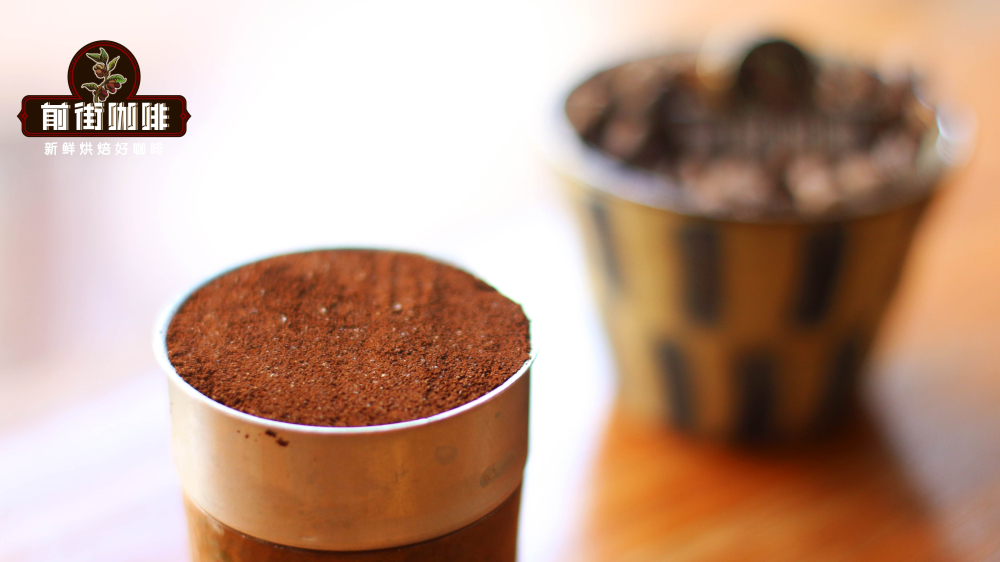
In terms of grind size, the coffee grounds for a Moka pot should be between pour over and espresso—too fine will cause over-extraction, leading to noticeable bitterness and off-flavors; too coarse may under-extract, resulting in weak flavor and prominent acidity. It is recommended to adjust your grinder to a setting close to espresso grind but slightly coarser to extend the extraction time and avoid over-extraction.
Tamping is actually not required for Moka pot brewing. Simply fill the coffee grounds evenly into the basket and gently shake to level the bed, butdo not tampit down, as this may cause over-extraction or uneven flow. Ensuring the coffee bed is evenly distributed and loosely compacted helps allow water to pass through uniformly, which is one of the key factors influencing flavor consistency.
Water temperature control is also an important factor. Using slightly preheated water (not boiling) in the lower chamber helps prevent the coffee grounds from being over-extracted due to high temperatures, which can produce burnt, bitter, and metallic off-flavors.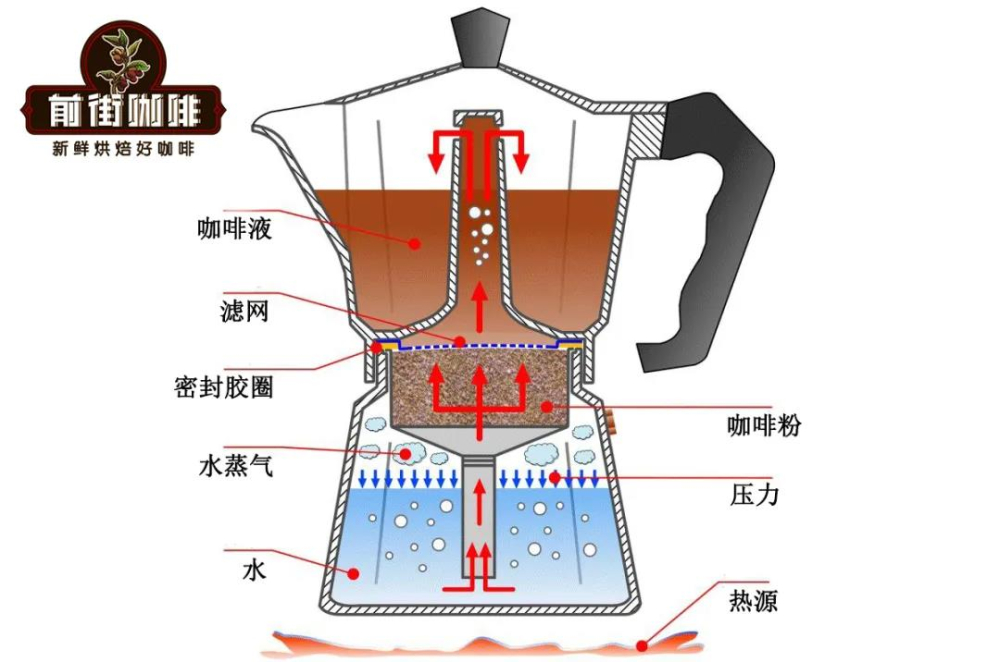 Additionally, preheated water can shorten the overall heating time, keeping the extraction focused within the optimal temperature range for the coffee grounds.
As for flame adjustment, this is a common challenge for beginners. It is suggested to start with a medium-high flame to quickly heat the water and generate enough pressure to push the coffee upward. Once the coffee starts flowing steadily, reduce to a low to medium flame to maintain a stable extraction speed and pressure. If the coffee flows out in a jet-like manner too quickly, it indicates the flame is too high, possibly leading to under-extraction and a sour taste. Conversely, if the flow is too slow or intermittent, it may be due to insufficient heat, so slightly increase the flame to avoid over-extraction and bitterness.
As for when to remove from heat? When the flow of coffee slows down noticeably and becomes intermittent or only a small amount is left, it’s time to turn off the heat. You can then let the remaining heat inside the pot finish the final extraction, avoiding over-extraction. Also, if you hear a “hissing” sound but no coffee is coming out, it’s best to turn off the heat immediately to prevent excessive internal pressure and potential danger.
When it comes to cleaning, always rinse the Moka pot thoroughly with water immediately after each use, especially the coffee basket, filter plate, and the joints between the upper and lower chambers, to avoid leftover coffee grounds affecting the flavor of future brews. Long-term neglect can result in burnt flavors, off-tastes, clogging, reduced extraction efficiency, and compromised coffee taste.
In terms of coffee bean selection, some brands recommend several medium to dark roast beans suitable for Moka pot use. For example, the 'Dark Cocoa Blend' combines beans from Yunnan and Brazil, offering notes of nuts, chocolate, and plum, making it ideal for those who prefer balanced flavors. The 'Brazilian Queen Estate' stands out with its roasted peanut, cocoa, and buttery aromas, featuring excellent crema and is perfect for fans of strong nutty profiles. If you prefer deeper flavors, the 'PWN Golden Mandheling' offers pine, dark cocoa, and caramel notes with fine crema, suitable for making black coffee or pairing with a small amount of milk.
In summary, the Moka pot is a practical tool for achieving authentic espresso-style coffee at home. By mastering grind size, water temperature, flame control, and knowing when to remove from heat, you can consistently brew rich and bold coffee. Pairing it with suitable medium to dark roast beans will further highlight its unique aromas and layers.
The above content is compiled by CoffeeHunters, a coffee news website.


