








Introduction:Blooming is a crucial yet often overlooked step in the pour over coffee process. This article delves into the core role of blooming—releasing carbon dioxide to optimize extraction—and analyzes how different water amounts (1x to 3x) affect degassing efficiency, recommending the golden ratio of 1.5–2x. It also guides readers on how to determine the end point of blooming by observing changes in the coffee bed, and how varying blooming durations influence flavor profiles, helping coffee enthusiasts master this fundamental yet essential step with precision.
Among the many steps of pour over brewing, blooming may seem simple, but it is a key factor that impacts the overall extraction quality. The primary purpose of this step is to release carbon dioxide from the coffee grounds, laying a stable foundation for subsequent water penetration and flavor extraction. The English term "bloom" vividly depicts the way the coffee bed expands like a flower after water is added.
When it comes to best practices for blooming, the choice of water amount is particularly critical.The commonly used water amounts range from 1x to 3x, but through multiple tests and comparisons,1.5 to 2x has been proven to be the optimal range. Too little water may lead to uneven wetting of the coffee grounds, while using more than 2x often results in unnecessary waste—excess water simply flows directly into the server without further improving degassing efficiency.
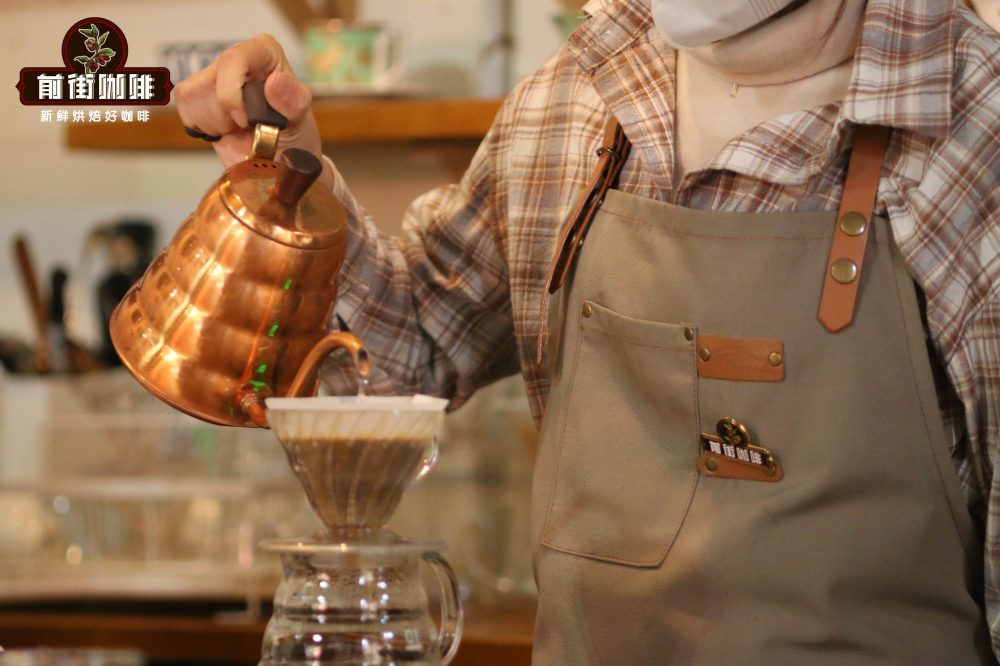
In addition to water amount, controlling the blooming time is equally important. It is generally recommended to keep the duration between20 to 40 seconds, though in practice this should be adjusted flexibly based on the coffee grounds’ degassing response. Freshly roasted coffee beans tend to release gas more vigorously at the start of brewing, often producing noticeable large bubbles on the surface of the coffee bed; whereas beans that have undergone proper resting exhibit a gentler degassing process.
Observing the expansion of the coffee bed is an effective way to assess the blooming progress. When hot water contacts the coffee grounds, the bed gradually rises and forms a dome, which continues to subtly shift even after pouring, pulsating rhythmically like breathing. When this movement stabilizes and no new changes appear on the surface of the dome, it usually indicates that most of the carbon dioxide has been released, and you can then proceed to the next pouring step. If you wait too long, and tiny holes begin to form on the surface of the dome, it suggests the blooming time may be too long, which could negatively affect the final flavor.
Different blooming durations directly impact the final flavor expression of the coffee.A blooming time that is too short (e.g., around 20 seconds)may result in insufficient sweetness, overly pronounced acidity, and aromas that are light and unclear. Upon cooling, an obvious astringency may even emerge.When the blooming time is controlled between 28 and 30 seconds, the coffee often exhibits richer sweet layers, a more balanced mouthfeel, and a longer aftertaste.If the blooming time exceeds 40 seconds, it may bring out bitterness and astringency, effects that become especially noticeable as the coffee cools.
Regarding the pouring method, although there are various advanced techniques in the industry, for most coffee enthusiasts, using thecircular pouringmethod is sufficient. Ensure the water flow is steady and covers the coffee bed evenly, avoiding overly wet or dry spots. Additionally, the grind size of the coffee also affects how delicately you should pour—thefiner the grind, the gentler and more precise the pouring should beto prevent excessive disturbance of the coffee bed structure.
In summary, mastering the water amount, timing, and observational techniques of blooming can significantly enhance the overall quality of pour over coffee. Though these details may seem minor, they are indispensable fundamentals for professional baristas and seasoned enthusiasts in their pursuit of ultimate flavor.
The above content is compiled by CoffeeHunters, a coffee news website.


