







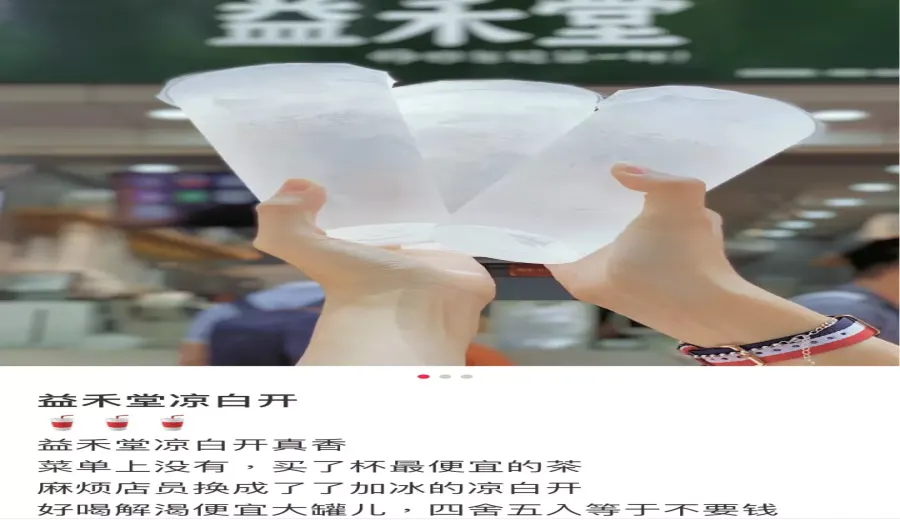
Introduction:In recent years, the free ice water offered by bubble tea shops and coffee shops has sparked a wave of check-in fever on social media platforms. This "specially cool boiled water"—filtered but not boiled, served in a transparent cup filled with ice cubes—has become a favorite among young people for photo-sharing, thanks to its minimalist style and sense of ritual. This article delves into the reasons behind its popularity, from the demand for minimalist beverages like "bubble tea without tea" or "coffee without coffee," to the social value of free ice water, taking you through the key logic of this phenomenon.
Recently, a type of "specially made ice water," vastly different from traditional cool boiled water, has quietly gained popularity on social platforms. This ice water doesn’t come from home or vending machines, but is personally prepared by staff at bubble tea or coffee shops: water filtered through the shop’s system, not boiled, is directly poured into a transparent PE cup filled with ice cubes and then sealed. Seemingly simple, it has become a destination that many specifically visit to check in.
Behind this trend is the reflection of young consumers’ extreme pursuit of "simplicity, health, and innovation" in beverages. Requests such as "bubble tea without tea," "bubble tea without milk," and even "coffee without coffee" may seem odd on the surface, but they actually reveal a consumer trend toward stripping away unnecessary elements and returning to the essence of the drink. In this context, that free cup of ice water is also endowed with symbols of ritual and a sense of premium quality.
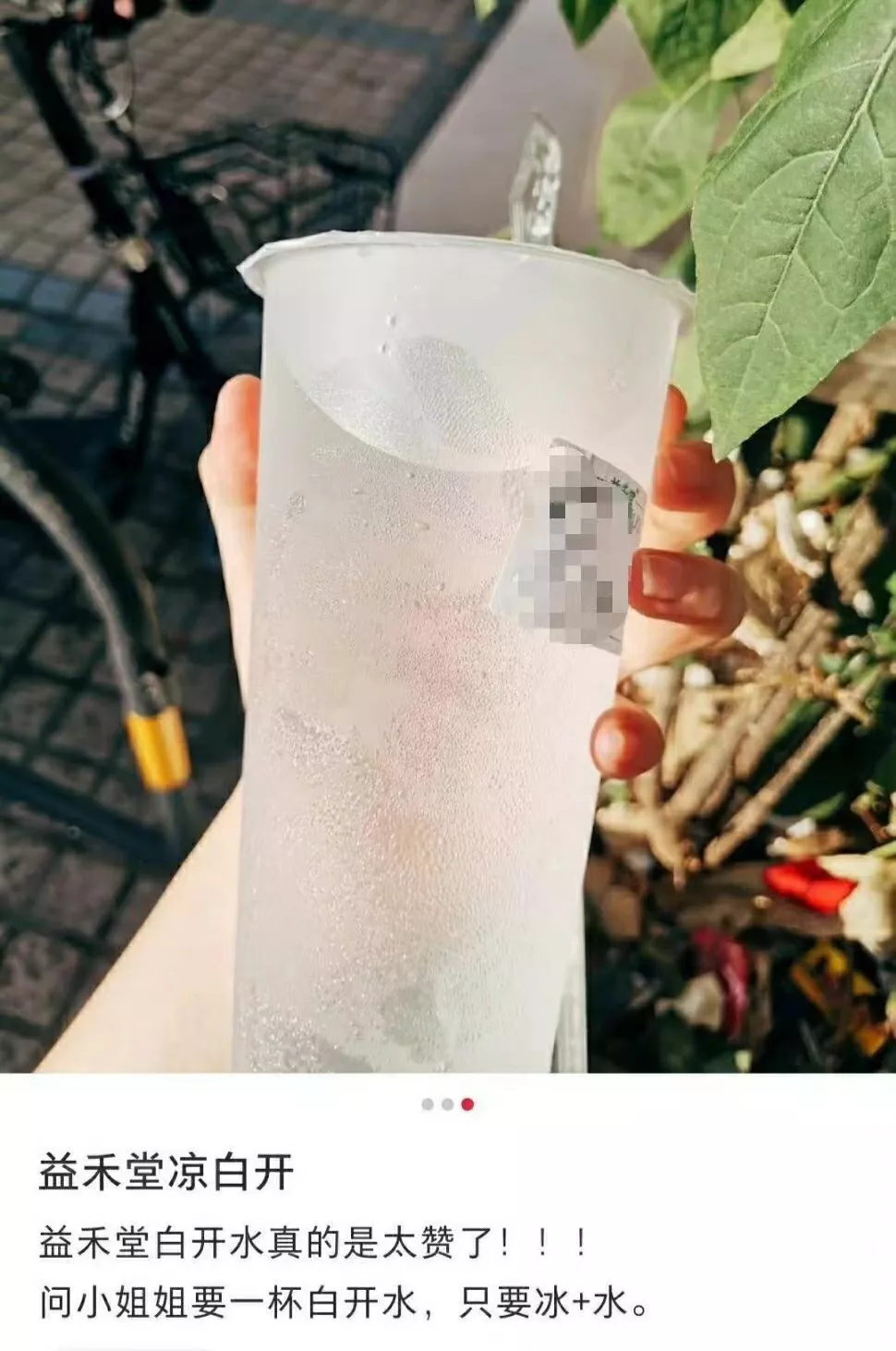
These "internet-famous cool boiled water" drinks that have gone viral on social platforms actually have their own set of "unofficial standards": they must be prepared by shop staff, using water processed through a filtration system, without undergoing the boiling process, poured into a transparent PE cup filled with ice cubes and branded with the store’s logo, and finally sealed. These details give an ordinary cup of ice water a completely different visual and experiential feel.
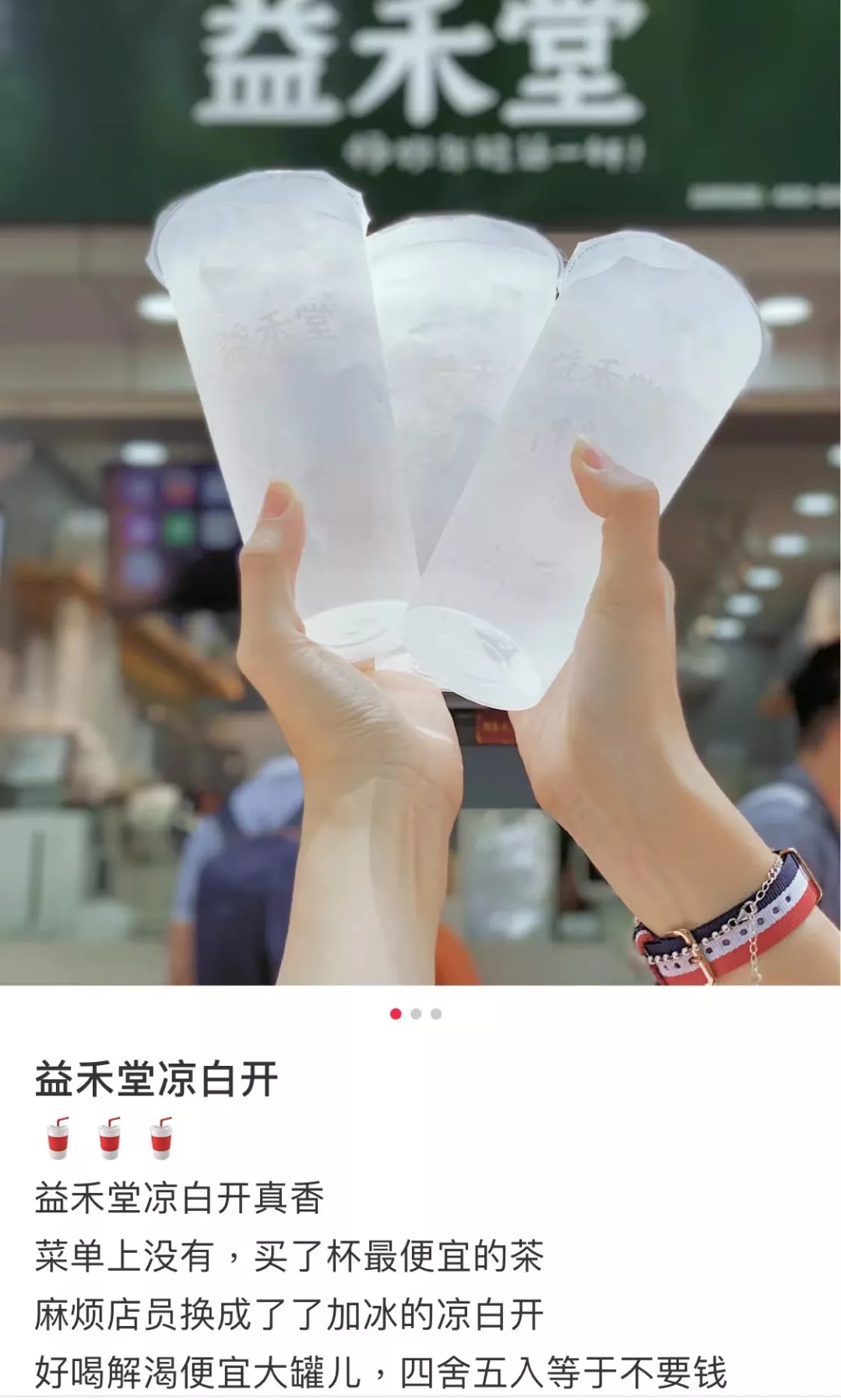
One netizen shared: "I ordered the cheapest tea and asked the staff to change it to iced cool boiled water. It’s refreshing, delicious, and super cheap—a rounded-up zero-cost drink..." With the right background and camera angle, this ordinary cup of ice water instantly becomes a fashionable item. And comments like "Yihe Tang’s plain water is really amazing!" make one wonder how a seemingly mundane cup of ice water can become a must-have for social media check-ins.
In addition to making special trips to check in on this "cool boiled water that isn’t really cool boiled water," many also choose to try minimalist drinks like "bubble tea without tea," "bubble tea without milk," and "coffee without coffee." These peculiar requests often puzzle baristas but also demonstrate the younger generation's commitment to health and simplicity in beverages. For example, the combination of "coconut latte, no ice, no coffee" is described as "tastier than coconut juice"; while "bubble tea without tea, no ice, no sugar, just original fresh milk" is hailed as "a kind of milky moonlight drink," showing how simple recipes can also deliver surprises.
Even "bubble tea with lots of toppings, but no milk" is referred to as a "fat-burning holy water." Compared to these creative minimalist drinks, checking in on a free cup of ice water seems like a display of wisdom in simplicity. These beverages are often extremely low-cost or even free, yet through meticulous plating and photo angles, they can create an atmosphere of a premium lifestyle on social media.
The reason this cup of ice water from bubble tea shops is so popular lies in the "sense of ritual" it creates. From the staff turning on the water filter, pouring the water through a metal pipe into a transparent cup filled with ice cubes, then sealing, wiping, and handing it over—the entire process is a unique experience that consumers cannot replicate at home or with purchased bottled water. When the cup is surrounded by the sweet aroma of the bubble tea shop, even though the water itself is flavorless, the visual and situational context can create a sense of satisfaction similar to actually enjoying a beverage.
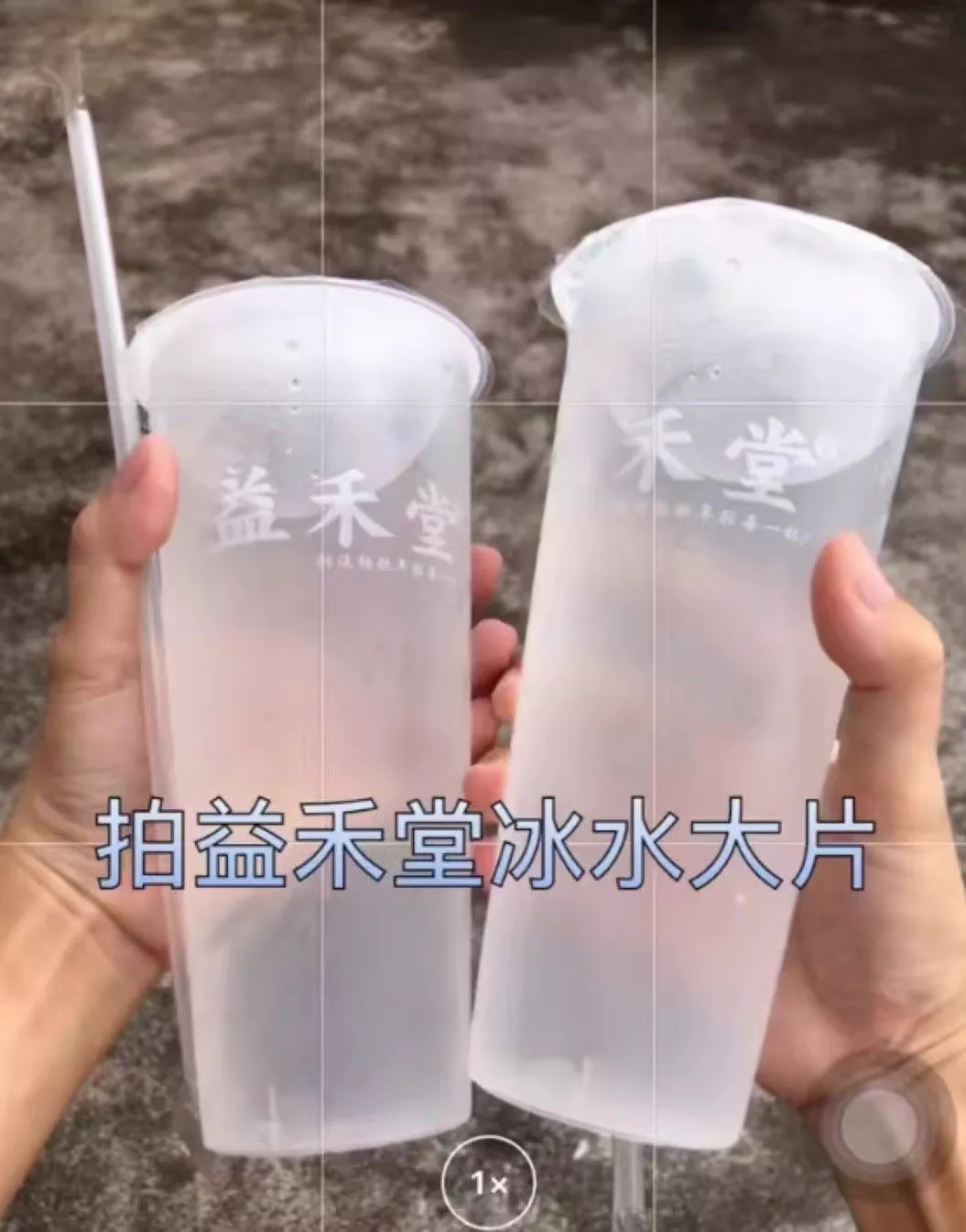
This phenomenon also reveals a psychology: netizens believe that "how it tastes doesn’t matter; as long as it looks premium and special enough, it’s content worth sharing." Just like in the fairy tale "The Emperor’s New Clothes," beautiful clothes don’t need to be seen—if someone approves, they’re beautiful. Similarly, this cup of ice water, because it looks tasteful and stylish, is enough to become a focal point on social media platforms.
The above content is compiled by CoffeeHunters, a coffee news website.


