








Introduction:A coffee shop in Caracas, the capital of Venezuela, has recently made headlines by claiming to be a "Starbucks," drawing market attention. In reality, the shop is not operated by the American coffee giant Starbucks and is an unauthorized imitation store. Notably, Starbucks has not yet officially entered the Venezuelan market, and the brand’s registration status in the country is also quite complex, adding controversy to the incident. This article delves into this brand counterfeiting case, exposes common tactics used by fake coffee shops, and offers practical advice for identifying genuine outlets to help consumers avoid pitfalls. It also extends the discussion to the correct approach for selecting specialty coffee.
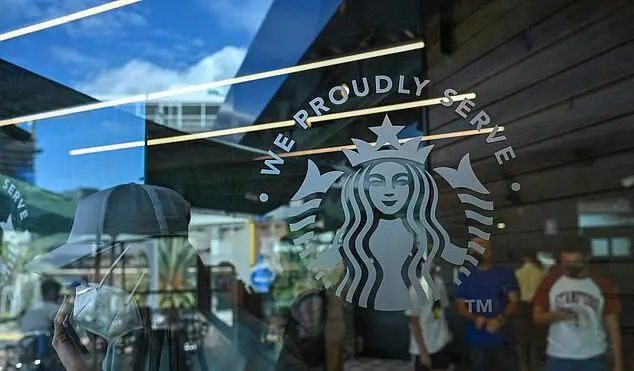
In Caracas, the capital of Venezuela, a café with prominently displayed "Starbucks" signage on its façade has recently become a hot topic. However, this establishment is not operated by the U.S. coffee chain giant Starbucks but is an unauthorized imitation store. It is worth noting that Starbucks has not yet established any official stores in Venezuela, and the brand’s local registration status is also quite complicated, making this incident even more contentious.

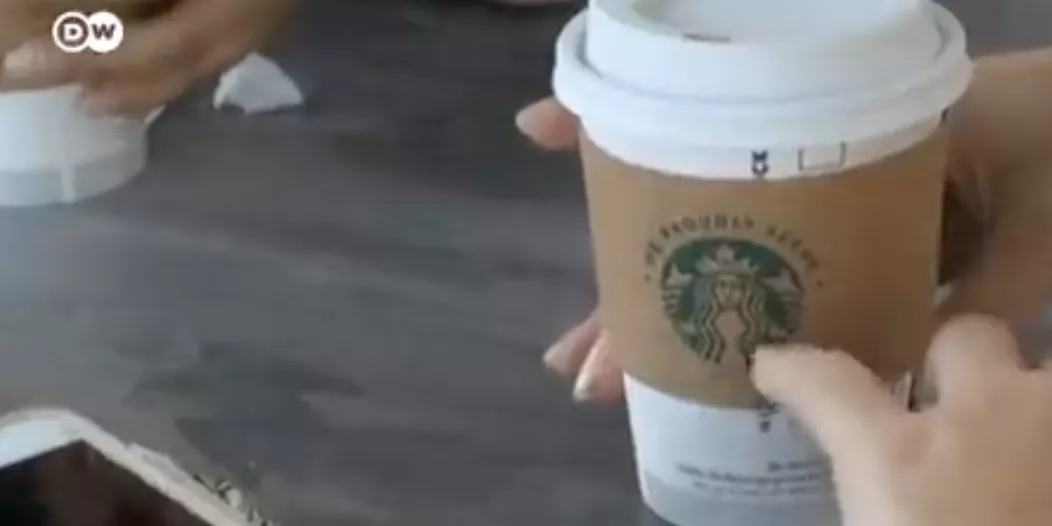
This self-proclaimed "first Starbucks in Venezuela" deliberately imitates elements of the authentic Starbucks in terms of both interior décor and menu design, leading many customers to mistakenly believe it is an official branch. However, closer observation reveals clear differences in the details of its brand logo, employee uniforms, and the origin of its coffee beans. Such counterfeit practices not only infringe on brand rights but may also mislead customers about coffee quality.
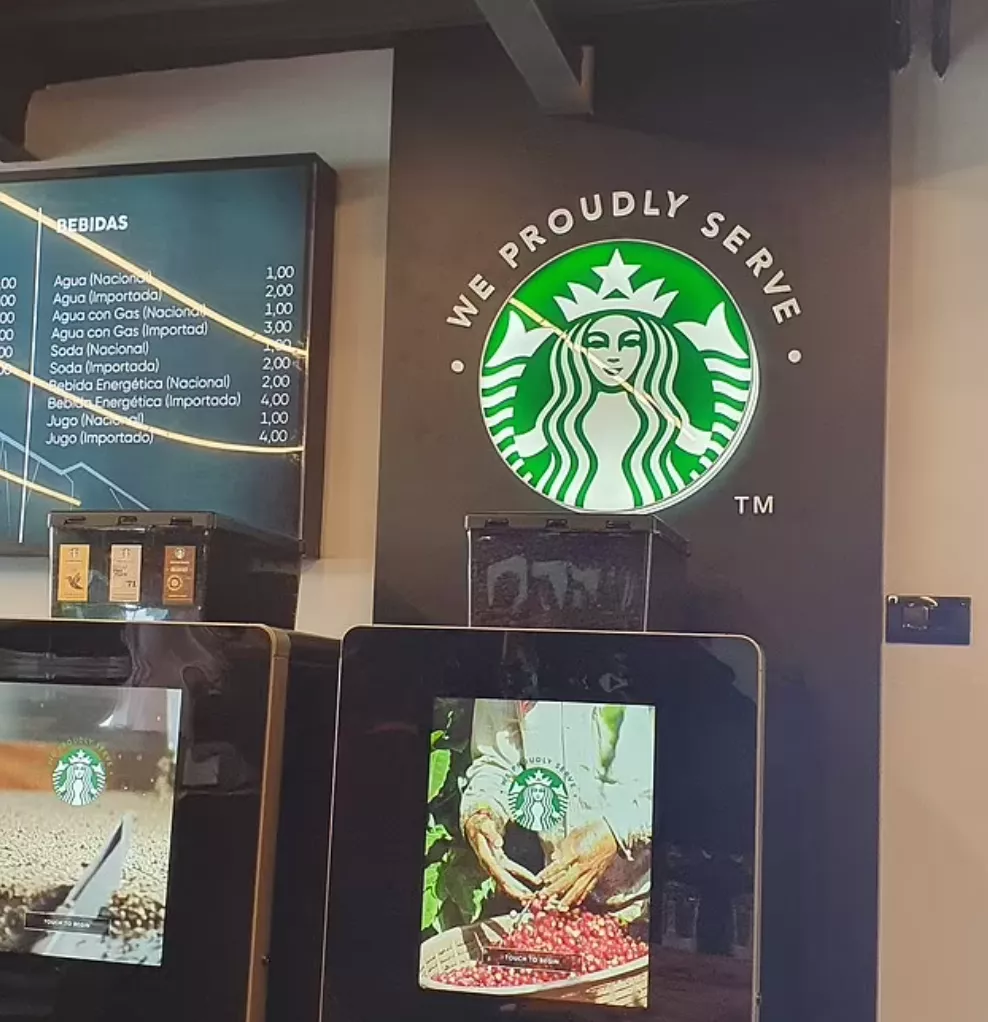
Experts point out that fake coffee shops often leverage the high visibility of well-known brands to attract customers, but they usually fail to meet the same standards in coffee bean selection, roasting techniques, and brewing methods. For example, genuine Starbucks has strict regulations on coffee bean procurement and roasting, including precise control over origin, processing methods, and roast levels, whereas imitation stores typically cannot provide the same quality assurance.
To identify a real Starbucks store, consumers can pay attention to several key details: First, the signage and trademark design of official stores follow strict specifications, with standardized font and graphic proportions; second, employee uniforms and in-store arrangements also adhere to unified design standards; additionally, genuine stores provide officially certified information about their coffee beans, including detailed parameters such as origin and roast date.
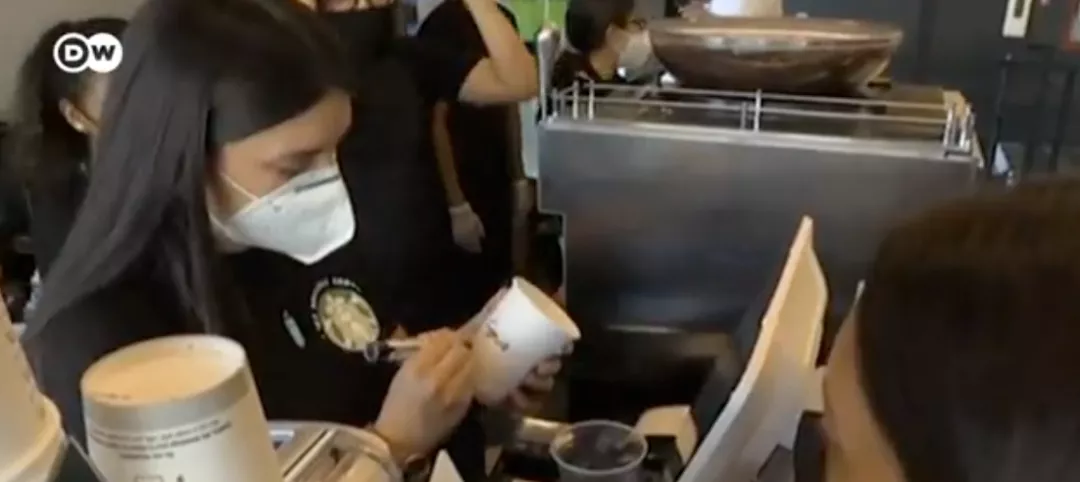
This counterfeiting incident has also sparked industry discussions on brand licensing and market regulation. In many emerging markets, due to the complexity of brand registration and licensing processes, imitation stores are often able to exploit legal loopholes and profit from consumers’ trust in well-known brands. When choosing a coffee shop, consumers should not only focus on the brand name but also pay attention to the actual operational information and product quality of the establishment.
For coffee enthusiasts, selecting high-quality coffee beans is equally crucial. The flavor profile of specialty coffee is closely related to roast level, grind size, and brewing parameters. For instance, the ideal water temperature for pour over coffee typically ranges between 90 and 96 degrees Celsius, and the grind size is adjusted according to the brewing method to fully release the aroma and layered flavors of the coffee beans.
When selecting coffee beans, it is recommended to pay attention to the origin characteristics and processing methods of the beans, as these factors directly influence the final flavor profile. For example, coffee beans from Ethiopia often exhibit distinct floral and citrus notes, while beans from Central and South America may showcase nutty and chocolatey flavor characteristics. By understanding these details, consumers can more accurately choose coffee beans that match their personal taste preferences.
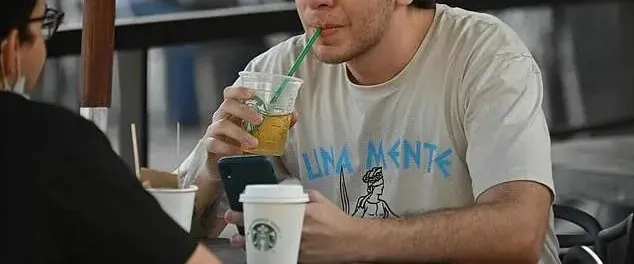
In summary, the Venezuela fake Starbucks incident not only reminds consumers to be vigilant about the authenticity of brand licensing but also highlights the importance of quality and integrity in the specialty coffee market. Whether enjoying coffee or selecting beans, gaining a deeper understanding of the relevant knowledge can help you make wiser decisions and enjoy a truly high-quality coffee experience.
The above content is compiled by CoffeeHunters, a coffee news website.


