







Introduction:When consumers find foreign objects such as nail clippers in their drinks, they are legally entitled to claim substantial compensation. However, this mechanism has been frequently abused in recent years. This article delves into the original intent and practical controversies of the tenfold compensation clause under Article 148 of the Food Safety Law through the case of Cha Bai Dao, analyzing the balance of rights and responsibilities between merchants and consumers, and providing practical advice on identifying foreign objects and protecting one's rights.
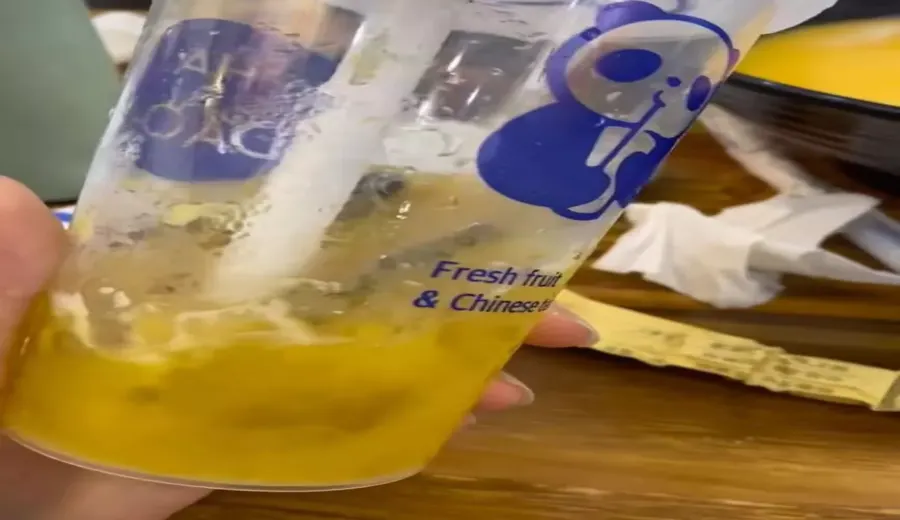
On the last day of 2021, a woman in Hangzhou was shocked to find an open nail clipper in a drink she purchased from the well-known tea chain "Cha Bai Dao." She immediately recorded a video accusation and uploaded it to social media platforms, sparking heated discussions and quickly trending. Initially, netizens were mostly sympathetic, but as more details of the video emerged, public opinion gradually shifted, focusing on whether the tenfold compensation mechanism under Article 148 of the Food Safety Law was being exploited by certain individuals.
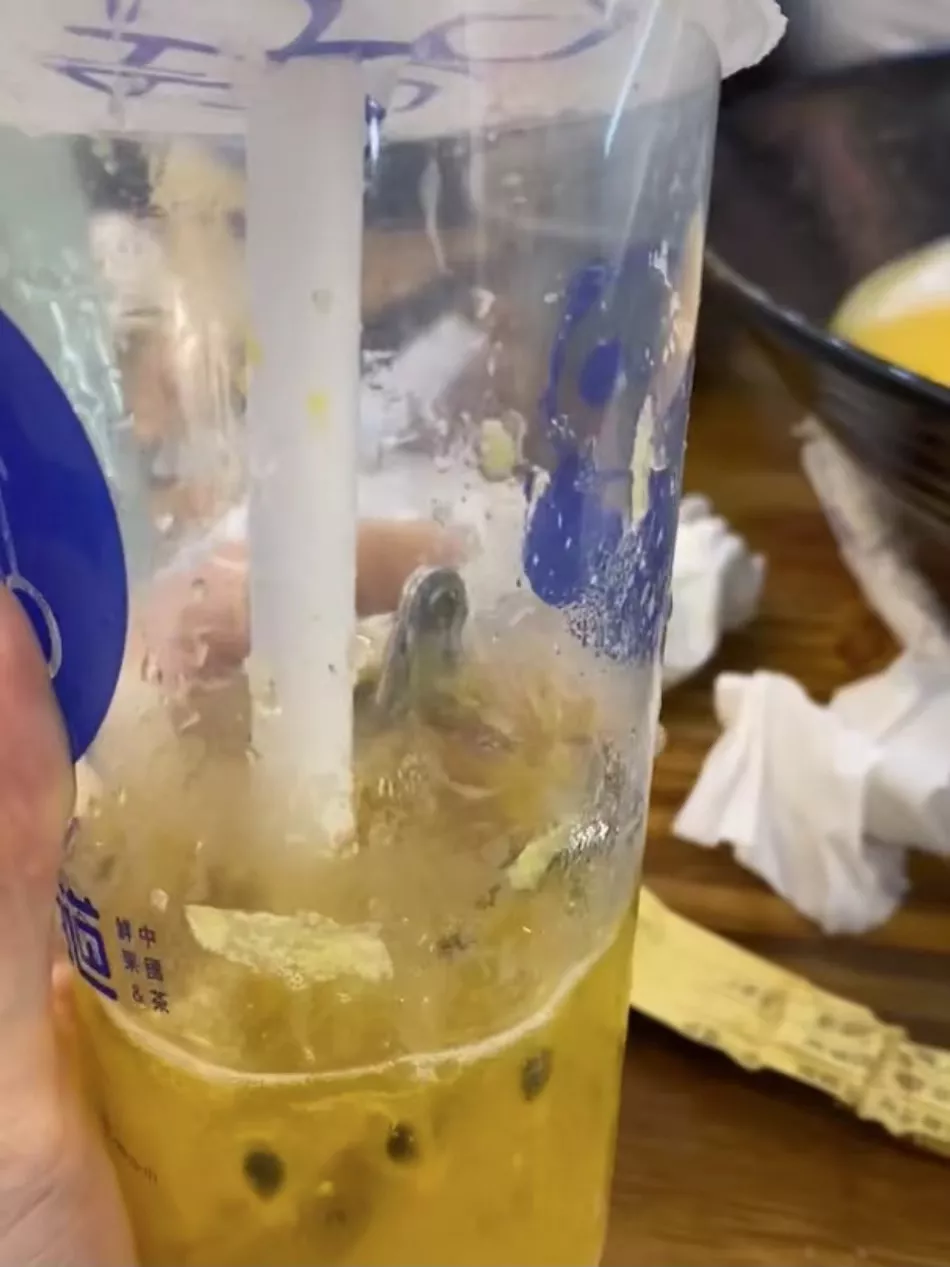
From the original video footage, the nail clipper can be seen floating fully open in the semi-transparent drink, which should have been very noticeable. The consumer should have spotted it before drinking. However, the woman claimed she was focused on talking to someone else, inserted the straw, and drank directly, only noticing the foreign object after consuming most of the drink. She quickly made the video public, accusing the shop of poor quality control, which soon garnered widespread attention.
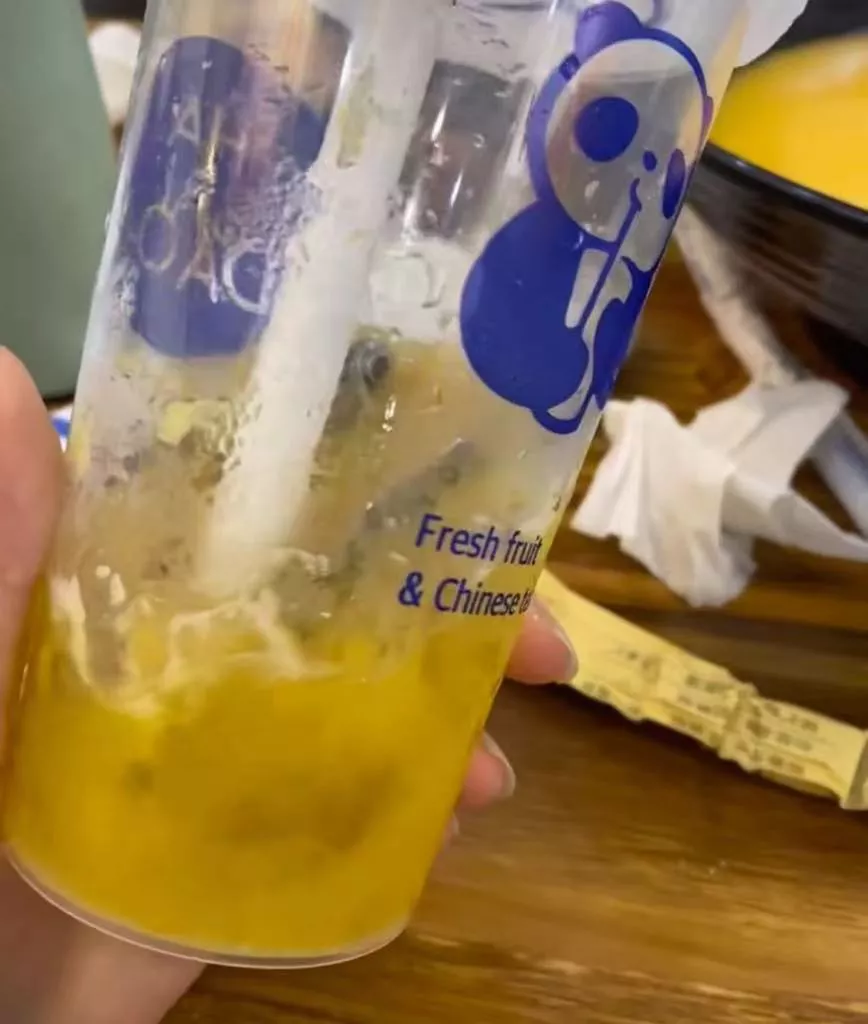
Food safety incidents have become all too common in recent years. Some are indeed due to management negligence by the shops, but there have also been cases where consumers exploit legal loopholes by deliberately placing foreign objects in their drinks and then citing Article 148 of the Food Safety Law to demand ten times the purchase price in compensation. Due to the frequent occurrence of similar incidents in the past, when the Cha Bai Dao case came to light, netizens generally adopted a more cautious attitude rather than universally supporting the consumer.
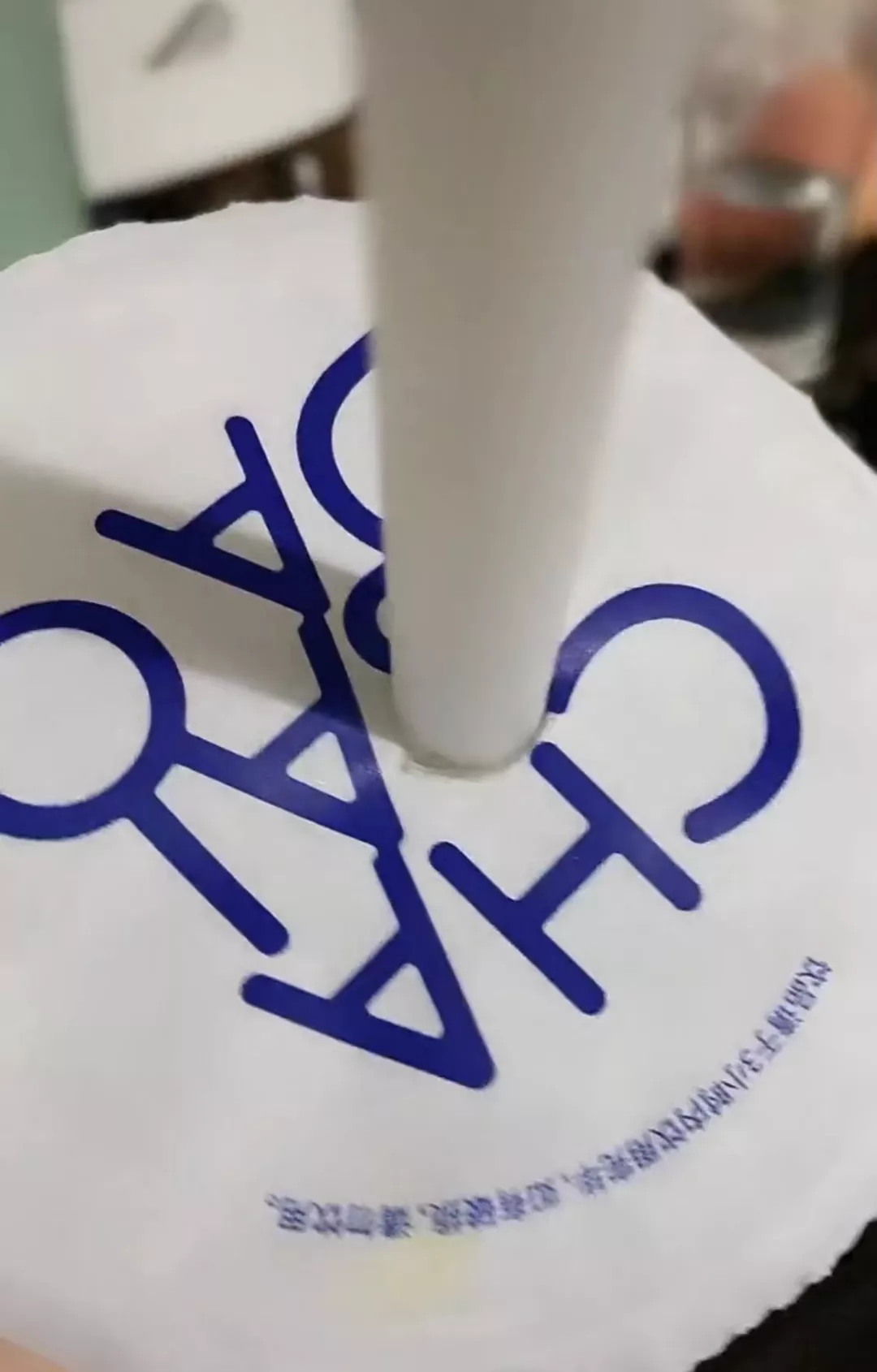
To clarify the truth, the woman further revealed details about the seal of the drink packaging on January 1, pointing out that apart from the straw opening, the rest of the packaging remained intact. Since the nail clipper is a relatively large object and was fully open, it is generally believed that it would be very difficult to insert it into the cup without breaking the seal again. This led public opinion to initially question whether there was a lapse in the shop’s handling process.
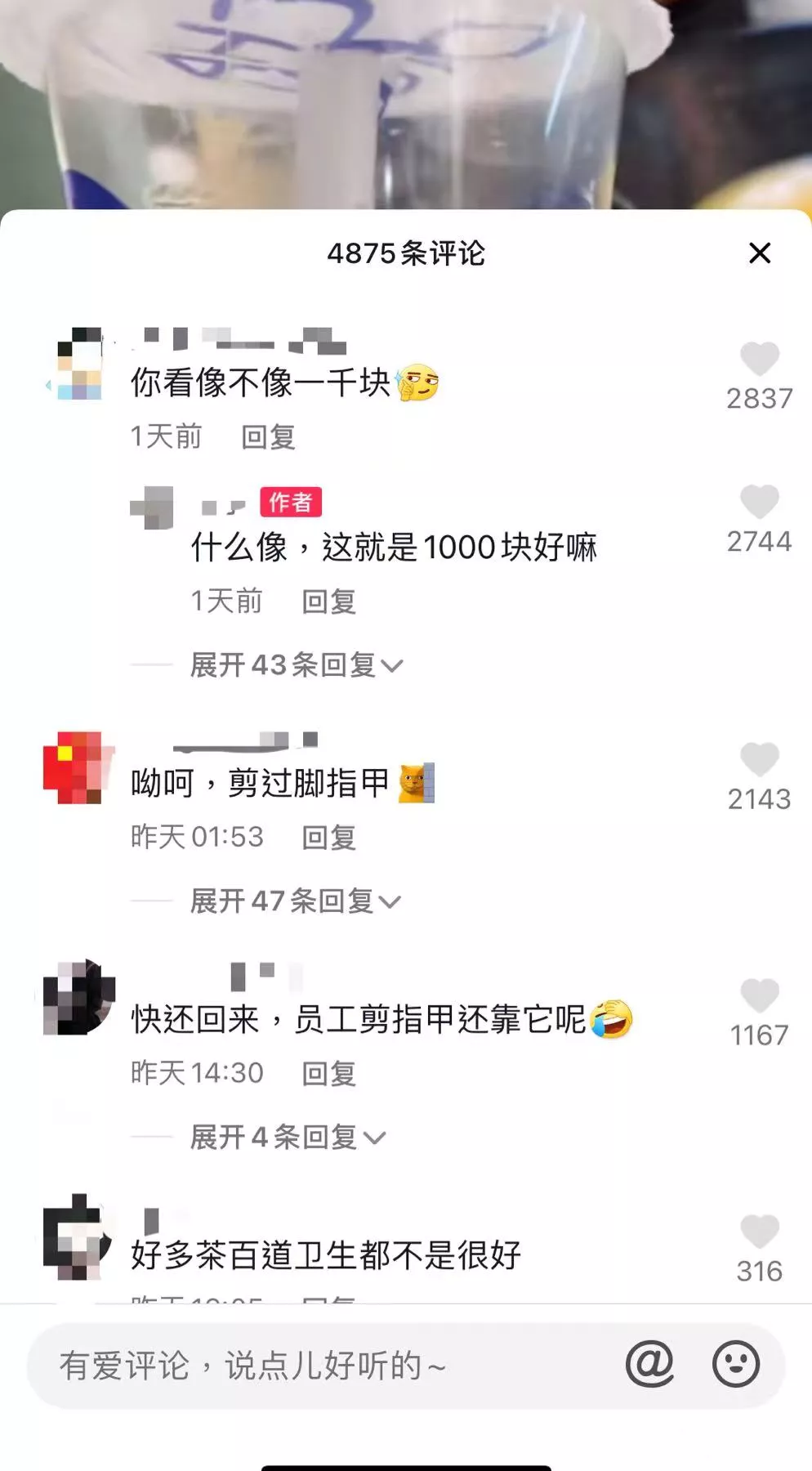
However, many netizens remained rational and conducted their own experiments to see if it was possible to put a nail clipper into a drink cup without damaging the seal. Multiple experiment results showed that by forcefully compressing the open nail clipper in reverse, it could still be inserted into the cup without damaging the outer film. Once it dropped into the drink, the nail clipper would naturally return to its open state. After such experiment videos surfaced, public opinion shifted again, with many questioning whether the woman might have placed the foreign object herself and was maliciously seeking compensation.
Faced with online skepticism, the involved tea shop chose to remain silent, neither making any public response nor granting media interviews, maintaining a low-profile stance. While some netizens interpreted this as "no guilt, no fear," other consumers called on the shop to release surveillance footage of the preparation process at the time to clarify the truth and prevent false accusations and malicious claims.
The establishment of Article 148 of the Food Safety Law was originally intended to protect consumer rights. If a consumer purchases food that does not meet food safety standards, in addition to claiming compensation for losses, they can also demand payment of ten times the price of the food purchased or three times the amount of the loss, with a minimum compensation of 1,000 yuan. However, this well-intentioned law has in recent years often been used as a tool by a few to seek personal gain, leading to unfair accusations and immense compensation pressure on merchants.
In response to this incident, many industry insiders and legal experts have called for strengthening the verification mechanisms for foreign object complaints and increasing the legal costs for malicious claims, in order to truly uphold the original intent of the food safety law while safeguarding the business environment for honest merchants. Consumers, when protecting their own rights, should also provide evidence rationally and avoid damaging their own credibility due to misunderstandings of the law or improper actions.

Professional brands that have long followed the beverage industry remind consumers that if they find foreign objects in their coffee or tea, they should immediately take photos as evidence, retain the packaging and purchase records, and report the issue through proper channels to the shop or relevant authorities. They should avoid making public accusations online lightly to prevent unnecessary legal risks. At the same time, merchants should also strengthen production monitoring and quality assurance measures to reduce the possibility of foreign objects being mixed in from the source, jointly maintaining the trust foundation of the beverage market.
The above content is compiled by CoffeeHunters, a coffee news website.


