







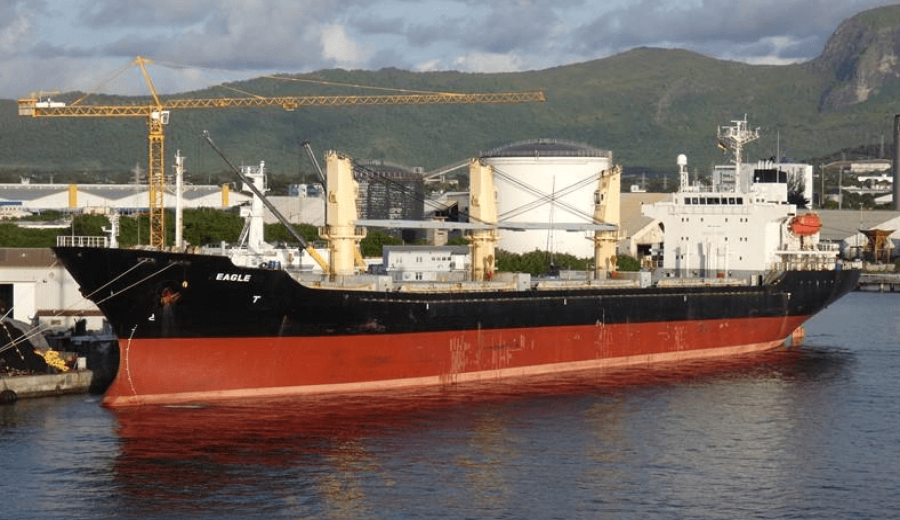
Introduction:Recently, some Brazilian coffee green bean exporters have begun using bulk carriers instead of traditional containers for shipping. While this approach may offer advantages in cost reduction and flexibility, it has also raised concerns within the specialty coffee industry regarding quality consistency. Will bulk shipping affect moisture content, cleanliness, and flavor uniformity? This article delves into the background of this logistical shift, potential risks, and provides practical quality control recommendations to help consumers and roasters make more informed decisions.
Recently, some Brazilian coffee green bean exporters have started experimenting with shipping via bulk carriers, rather than the long-established container method. Behind this adjustment—driven by considerations such as lowering transportation costs and increasing shipping capacity flexibility—are new questions from both the industry and coffee enthusiasts: could bulk shipping impact the moisture content, cleanliness, or even the final flavor profile of green coffee beans? For specialty coffee, which prioritizes consistency and refined flavor, this undoubtedly presents a significant challenge.
Traditionally, coffee green beans have relied mainly on container shipping. This method provides a relatively enclosed and stable transport environment. By controlling ventilation and placing desiccants, it effectively reduces the risks of moisture, odors, and contaminants entering the cargo. In contrast, bulk carriers place large quantities of green beans directly in open or semi-open holds. Although this significantly increases transport volume and cost efficiency, it also leaves the beans more vulnerable to external temperature and humidity fluctuations, as well as odors from nearby cargo.
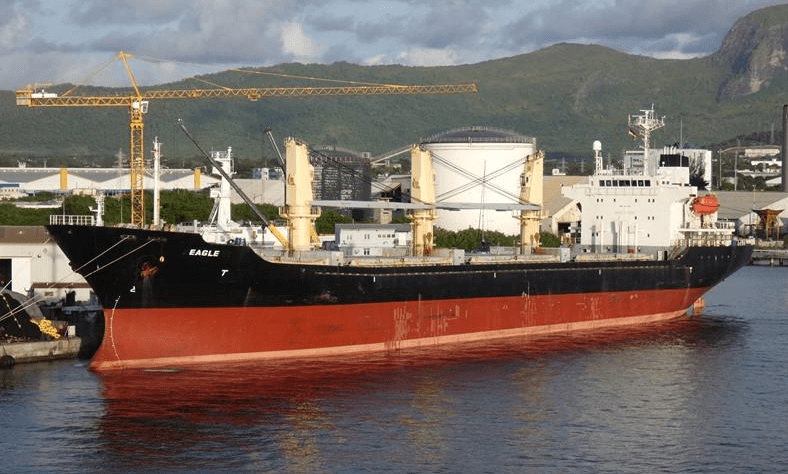
Green coffee beans are highly hygroscopic and have a strong tendency to absorb odors. During long sea voyages, if the surrounding environment is too humid, the moisture content of the beans may rise rapidly, leading to mold growth or fermented off-flavors. Conversely, if the environment is too dry, the beans can become overly brittle, affecting grindability and extraction performance. Containers, equipped with adjustable ventilation and the option to use dehumidifying aids, can buffer these changes to some extent. However, the environment inside bulk carrier holds is much harder to control precisely—especially when crossing the equator or during rainy seasons—when temperature and humidity fluctuations become more intense, further elevating quality risks.
In addition, cleanliness management aboard bulk carriers is also a major concern. If the hold previously transported goods with strong odors—such as chemical materials, spices, or seafood—the residual smells could be absorbed by the green beans, resulting in off-flavors in the final roasted coffee and compromising overall flavor profiles. For specialty coffee, which emphasizes pure regional characteristics and bright acidity, the risk of such cross-contamination cannot be ignored.
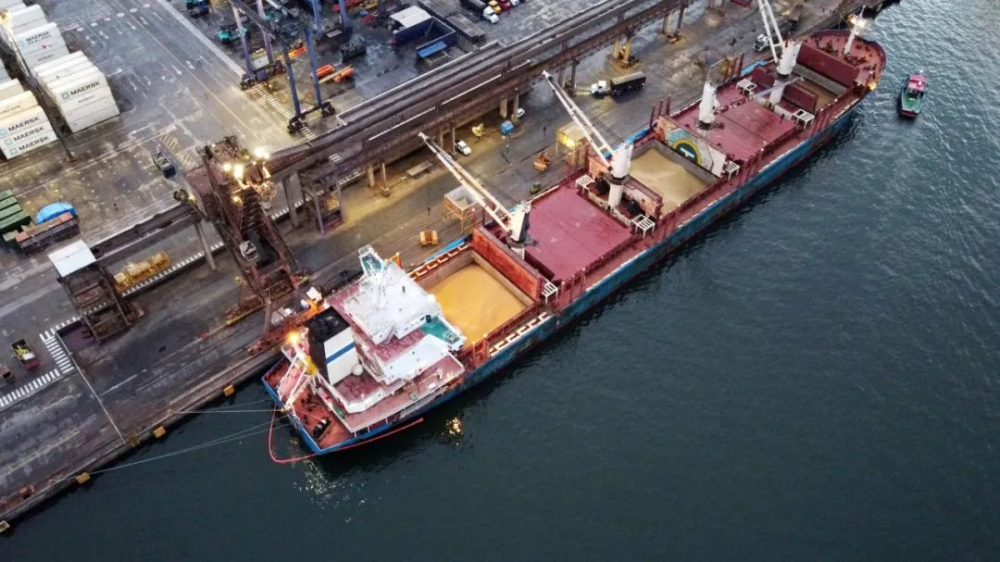
However, bulk carrier shipping is not entirely detrimental to quality maintenance. If exporters strictly control the moisture content and defect rate of the beans before loading, and employ sealed liner bags during transit, regularly monitor hold temperature and humidity, and promptly conduct sample cuppings upon arrival, they can still effectively mitigate potential risks. The key lies in establishing a feedback and quality control mechanism that is stricter and more responsive than what traditional container shipping offers—ensuring every stage, from origin to pre-roasting, remains within controllable parameters.
For roasters and consumers, post-arrival quality inspection of the beans is crucial. Take roasting brands that emphasize flavor purity and consistency, for example—they often immediately test incoming beans for moisture content, density, and defect ratios after storage, and use small-batch cuppings to assess whether the shipping process has affected flavor. Even if the mode of transport changes, as long as the post-arrival quality control process is rigorous enough, batches that meet standards can still be selected, reducing quality discrepancies caused by shipping.
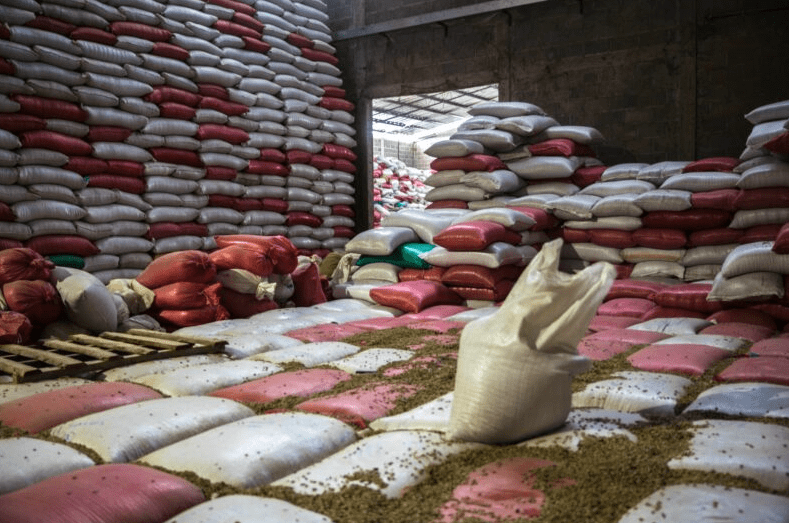
From an industry trends perspective, Brazil—as the world’s largest coffee producer—its adjustments in export logistics methods could likely set a precedent for other producing regions. Whether bulk carrier shipping will become the norm in the future will depend on whether the industry can strike a balance between cost efficiency and quality assurance. For consumers, this may not only influence the final price of coffee but also serves as a reminder to pay closer attention to the transportation and storage details behind the flavors in their cups.
In summary, shipping green coffee beans via bulk carriers does not necessarily lead to quality degradation, but it does place higher demands on collaboration across all links in the supply chain. Only by implementing strict moisture-proofing, temperature control, and odor-prevention measures at every stage—from loading and shipping to arrival—can the quality of coffee green beans be ensured. For end consumers, choosing brands with comprehensive quality control systems and traceability mechanisms is also an effective way to reduce the impact of shipping variables.
The above content is compiled by CoffeeHunters, a coffee news website.


