







Introduction:Yunnan coffee has gradually evolved from bulk commercial raw material to specialty grade. This journey has not only involved changes in varieties but also upgrades in cultivation and post-harvest processing techniques. This article delves into the origins, characteristics, and challenges of Yunnan’s major cultivated varieties such as Catimor and Typica, and through the practical performance of washed and natural processing methods — combined with pour over parameters and cupping notes — helps you grasp the true flavor profile of Yunnan coffee and key points for entry-level selection.
As early as 1904, French missionary Tévenot planted the first batch of coffee seedlings in Yunnan, opening the coffee chapter of this highland region. Over the following decades, especially in the 1950s and 60s, to meet export demands to the Soviet Union and Eastern European markets at the time, the Lùjiāng Bà area established China’s first small-bean coffee production and export base. However, early Yunnan coffee, due to rough processing, limited roasting techniques, and a lack of understanding among coffee farmers, was long sold only as commercial beans or even instant coffee raw material, exported at low prices to international brands.
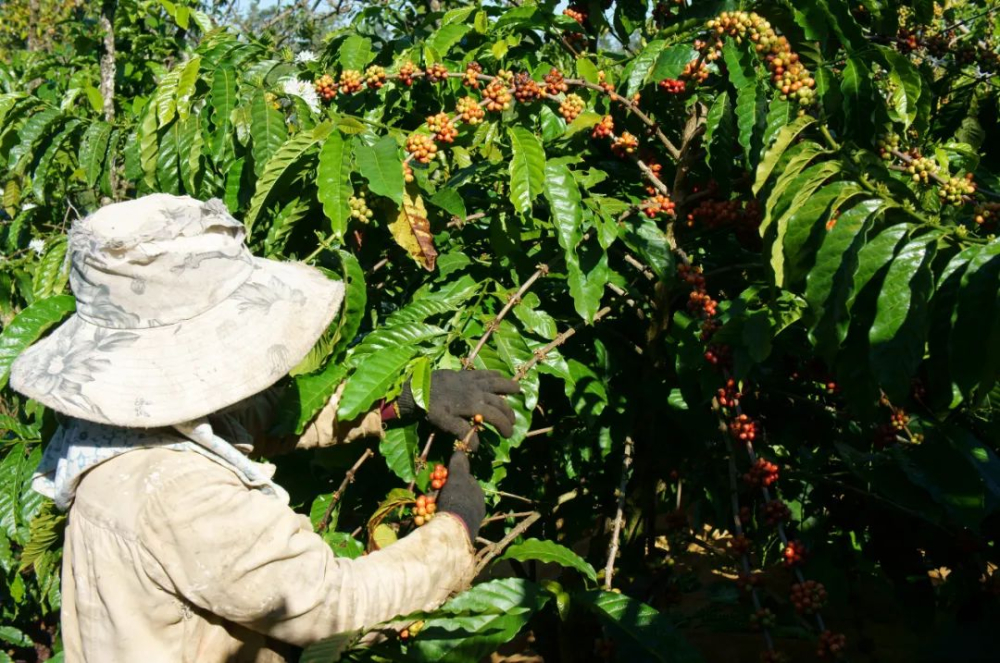
It wasn’t until 1988, when Nestlé invested in Yunnan’s coffee industry, that the situation gradually improved. Starting in 1992, Nestlé established a Coffee Agriculture Department dedicated to variety improvement and guidance on cultivation techniques, purchasing green beans at international market prices. During this phase, to increase yield and disease resistance, they introduced the Catimor lineage originating from Portugal, Costa Rica, and Thailand. Known for strong rust resistance, high yield, and ease of management, it quickly expanded to nearly 180,000 mu in regions like Lùjiāng Bà, prompting Catimor to replace the older Typica variety and become Yunnan’s main cultivated coffee. In 1995, Yunnan coffee was further included in the provincial government’s “18 Project” biological resources initiative, accelerating overall industrial development.
Speaking of Catimor, it is actually a hybrid variety bred by Portugal’s Tropical Research Institute (HCT) to combat coffee leaf rust, with the scientific name Catimor 7963. This variety features a compact and dwarf tree structure, dense lateral branches, short fruit nodes, vigorous growth, and exceptional disease resistance, particularly against rust, making it highly favored by local coffee farmers. However, Catimor is not pure Arabica, but a hybrid of the rust-resistant Timor and Caturra, containing 1/4 Robusta (R) lineage. Readers familiar with coffee varieties will know that R beans often carry earthy, nutty tones, and if processed improperly, can easily produce dull and bitter flavors — which explains why early Yunnan beans were often described as having a “devilish aftertaste.”
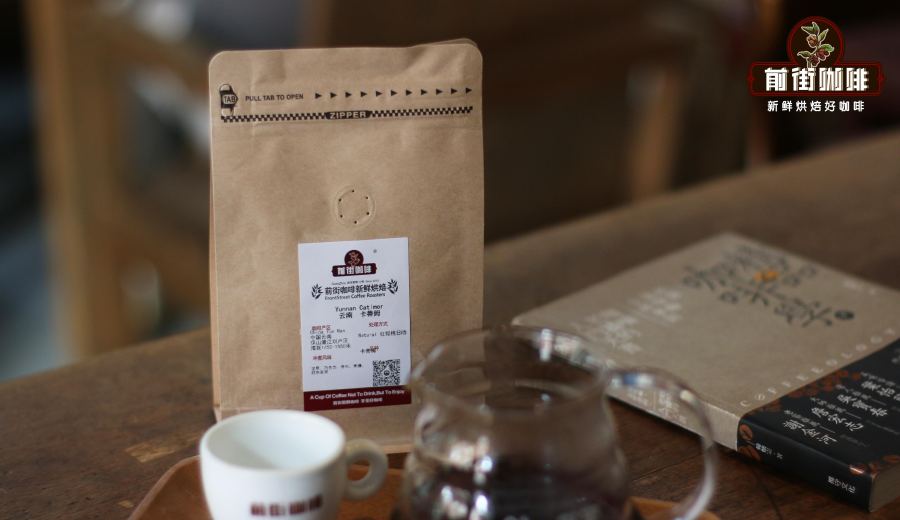
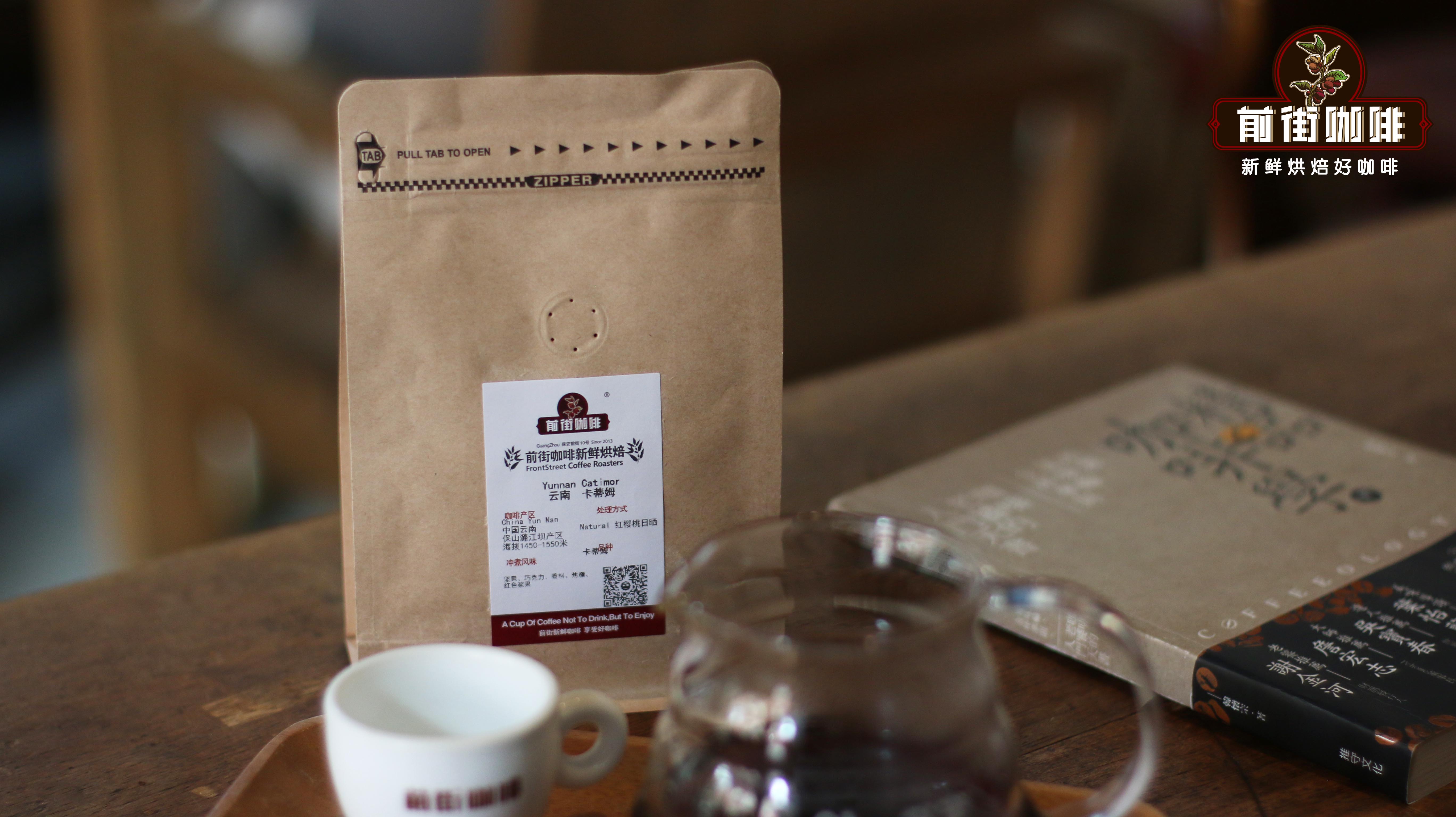
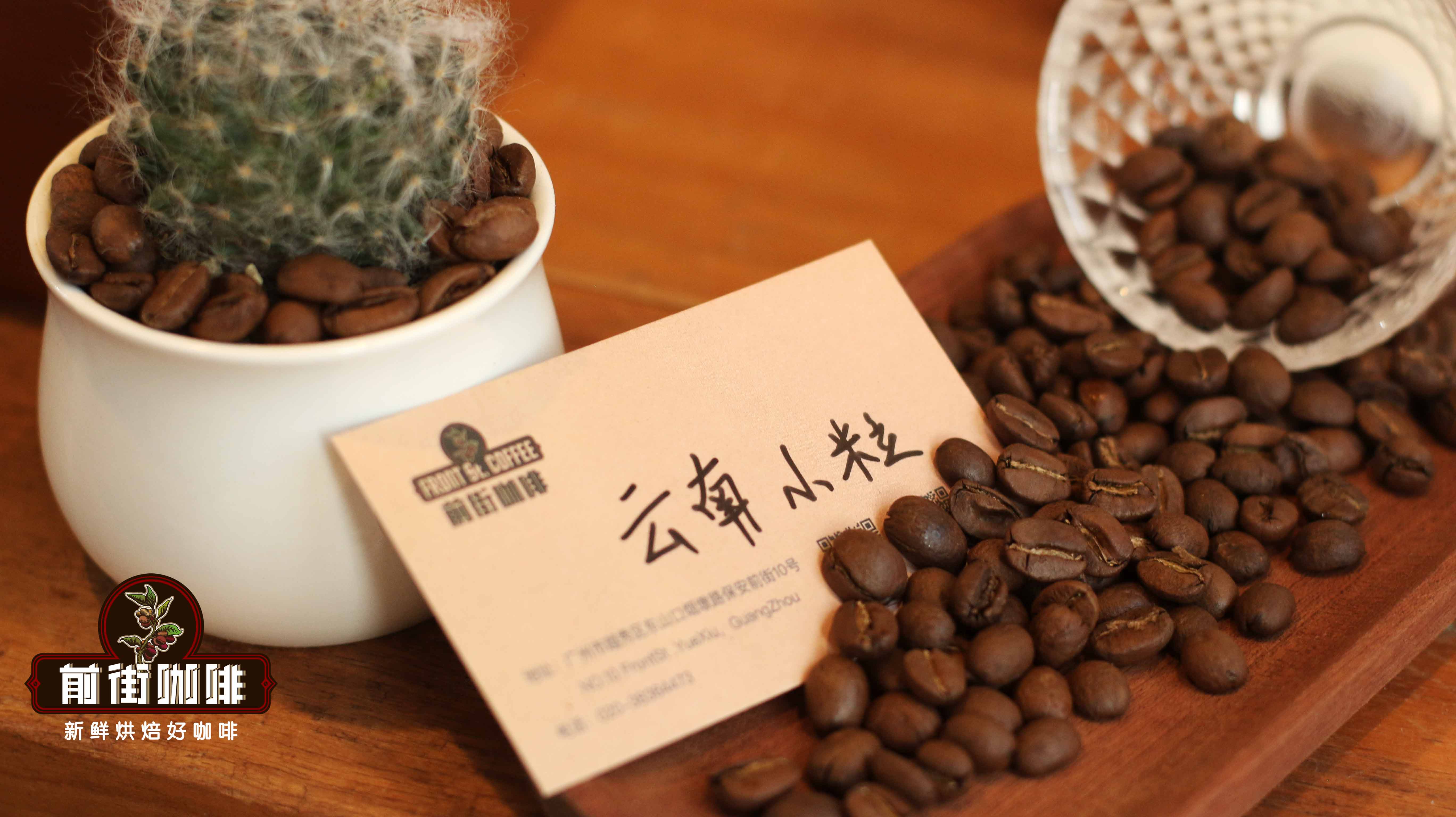
As market demands for quality have increased and processing techniques have advanced, the flavor of Catimor has gradually improved. For those wishing to get an initial taste of the Yunnan growing region’s character, it is recommended to choose medium-to-light roasted beans processed via washed method, such as “.Yunnan Small Bean,” which often exhibits notes of nuts, chocolate, and brown sugar, suitable for everyday drinking. However, due to the gradual decline of the R gene and rust resistance in Catimor after 20–30 years of cultivation, Yunnan is currently considering variety renewal, including the introduction of well-known premium varieties such as Geisha.
To further explore the relationship between variety and growing region, as early as 2013, ancient varieties such as Typica and a small amount of Bourbon were trialed in the Líncāng area. Typica requires a high-altitude environment to express its delicate acidity and complex layers. Although its flavor is elegant, it yields poorly and is susceptible to disease, requiring more intensive management. After seven years of effort, the first harvest was finally achieved in 2020, and it was named “2013 Coffee,” marking a milestone in local variety improvement.
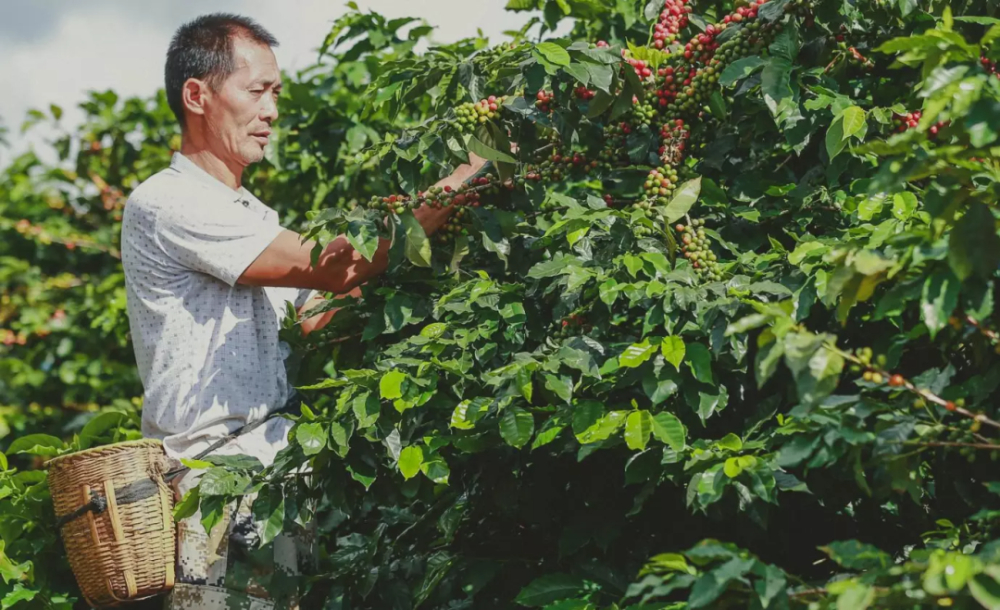
Regarding the actual flavor of Yunnan coffee, a common misconception is that all products undergo special flavor enhancement processing — but that is not the case. Due to equipment and technical limitations, most coffee farmers still primarily use traditional washed and natural processing methods. The washed process includes: first removing the skin and pulp, then placing the mucilage-covered beans into fermentation tanks where microbial action breaks down the pectin, followed by thorough rinsing with clean water, and finally drying in the sun for 1 to 2 weeks. This method reduces defect rates and improves overall flavor stability and cleanliness. Natural processing, on the other hand, involves directly sun-drying the entire coffee cherry with its pulp, allowing fruit sugars and aromas to gradually permeate the bean, imparting richer sweetness and fermentation complexity.
For example, “2013” uses natural sun-dried processing, selecting Typica grown at high altitude in Líncāng. Through careful hand-picking and even turning, the coffee is slowly dehydrated under the sun, ultimately presenting a composite flavor of chocolate, toasted bread, and tropical fruits, with an aftertaste of black tea and sugarcane sweetness. Generally, the cupping profile of Yunnan small beans often includes notes of nuts, herbs, brown sugar, and plum acidity, with balanced overall flavor and a good mix of acidity, sweetness, and bitterness. It is recommended to present its chocolate character using medium-light to medium roasting, while retaining moderate acidity.
For actual pour over brewing, it is recommended to use a Hario V60 filter, with around 15 grams of coffee, water temperature controlled at 90°C, grind size at 75% through a 20-mesh sieve, and a coffee-to-water ratio of 1:15. Use a three-stage pouring method: begin with a 30-second bloom using twice the coffee weight in water (about 30 grams), then pour in small streams in a circular motion from the inside out until reaching 125 grams for the first pour. Once the coffee bed has settled by about half, continue pouring with the same fine stream up to 225 grams to complete extraction, with a total brew time of about 2 minutes. These parameters help balance flavor release and avoid over-extraction or flatness.
Based on comprehensive cupping results, Yunnan small beans exhibit aromas of nuts, herbs, and caramel, with flavors of fruity sweetness and plum acidity upon tasting, offering a refreshing and clean mouthfeel. Meanwhile, the 2013 natural Typica displays more intense notes of chocolate, fermented berries, and tropical fruits. As the temperature drops, the acidity shifts toward plum tones, with an aftertaste of black tea and sugarcane sweetness. The body is medium to slightly high, with distinct layers and rich complexity.
The above content is compiled by CoffeeHunters, a coffee news website.


