







Introduction:Earl grey-style drip bags are a simplified version of pour over coffee, yet they are often misunderstood as being the same as tea bags. This article delves into the brewing principles of drip bags, guiding you on how to adjust water temperature, brewing steps, and timing based on beans from different origins. It also teaches you how to determine coffee freshness by checking the roast date and the expansion state of the grounds, so you can brew delicious drip coffee at home.
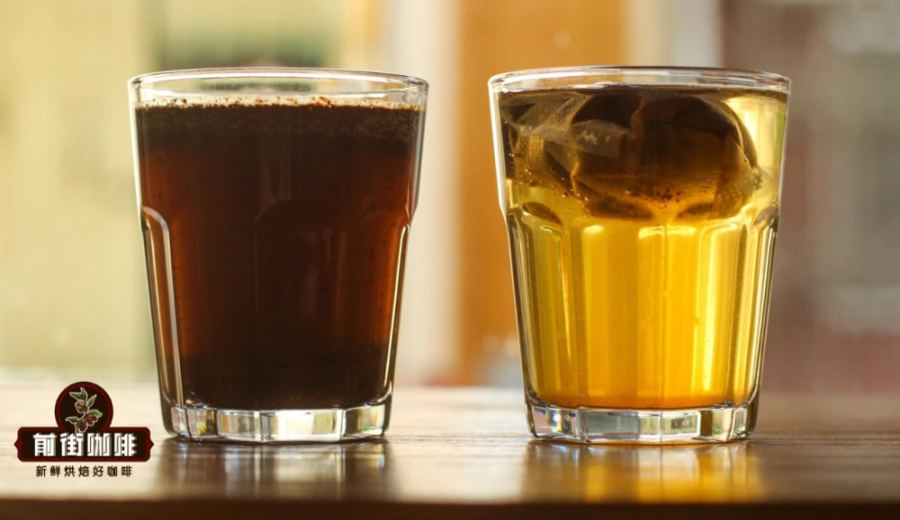
Many people often confuse drip bags with tea bags, but in reality, the two differ significantly in brewing method, flavor expression, and operational principle. Tea bags only require you to drop the bag into a container, add hot water, cold water, or even milk or fruit wine, to quickly extract coffee flavors. It’s a convenient and versatile way to enjoy caffeine. In contrast, drip bags are closer to the concept of pour over coffee—they emphasize water temperature, pouring technique, and the freshness of the coffee grounds. They are a portable brewing option that still preserves a professional-grade flavor.
The brewing process of drip bags can be seen as a streamlined version of pour over coffee, but it still involves certain parameter requirements, especially in controlling water temperature and extraction time. For commonly seen roast levels:For dark roasted drip bags, it is recommended to use water at around 88°C.This temperature helps suppress over-extraction and highlights a rich, low-acid profile.For light roasted beans, it is advised to brew with water between 90 and 92°C,to fully bring out the fruity acidity and aromatic layers. Beans from different origins may also require adjustments based on their unique flavor characteristics. It’s recommended to fine-tune according to the instructions on the packaging or your personal taste preference.
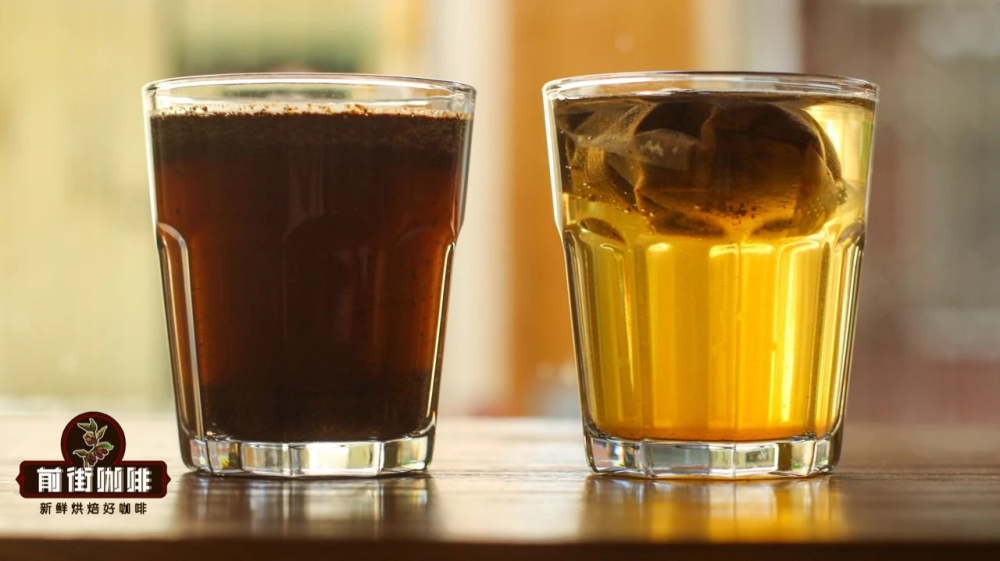
Many users who are new to drip bags often wonder if they can brew the same bag twice. In fact, a standard drip bag usually contains 10 grams of coffee grounds, which is only suitable for a single brew. Although you may still perceive some coffee flavor during the second brew, it is often just the release of caffeine and the bitterness caused by over-extraction—the true essence of the flavor is already gone. Moreover, even within the best-before period, multiple brews will cause the coffee to lose its intended layers and aromas, so it is not recommended to reuse the same drip bag.
When brewing drip coffee, in addition to mastering water temperature, it is also recommended to slightly increase the water temperature by about 1°C to compensate for the poorer heat retention of the drip filter bags during brewing. While regular pour over might work fine at 88°C, for drip bags it is suggested to stay within the range of 85 to 90°C,which helps fully release the coffee's aromatic and flavor molecules, avoiding a flat or under-extracted cup.
There are several simple ways to determine whether a drip bag is fresh. The first is to check theroast dateon the packaging, which reflects the coffee's flavor condition more accurately than the expiration date. Generally, coffee enters its flavor development golden period within one week after roasting—during this time, the beans possess the richest aromas and layers of taste. If the packaging does not indicate a roast date, it may mean the product has been stored for a while, and the flavor may have noticeably declined.
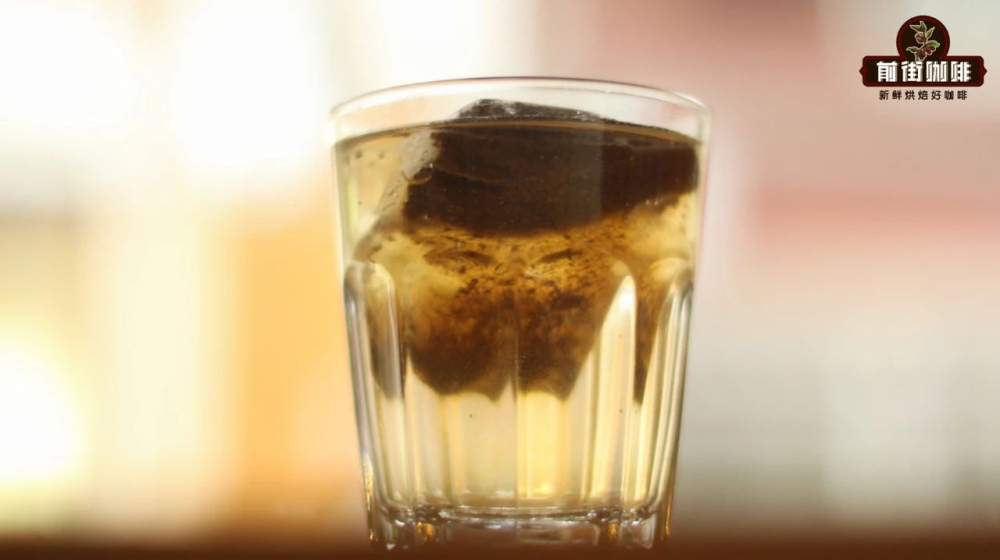
Additionally, when you brew a drip bag, if the coffee grounds are in optimal fresh condition, you can observe a noticeable expansion of the coffee bed after pouring in hot water—even forming what is called a “hamburger layer” effect, where the center rises and the sides slightly sink. Though this phenomenon is less obvious in light roasts, it is particularly prominent in dark roasts and serves as an important indicator of high freshness.
It is also recommended to avoid purchasing drip bags that were produced more than five days ago, as once coffee is ground, its aroma volatilizes faster—especially if not properly sealed, the flavor can deteriorate rapidly. Brewing and enjoying the drip coffee as soon as possible after receiving it gives you the best chance to experience its full aroma and taste.
For those trying drip coffee for the first time, choosing beans from origins that suit your taste preferences is also key. For example, if you enjoy bright fruity acidity and citrus notes, Ethiopian Yirgacheffe drip bags are a great choice. If you prefer sweet flavors like honey or caramel, consider Guatemalan Huehuetenango beans. To experience bold nutty and chocolatey profiles, Brazilian Cerrado, Colombian Huila, or Costa Rican Tarrazú drip bags are all worth a try.
If you lean toward herbal, medicinal, or intense flavors, Indonesian Mandheling drip bags offer a uniquely bold taste experience. For those who prefer a milder, tea-like flavor profile, Yunnan small-bean drip coffee offers soft fruity notes and low acidity, perfect for casual daily drinking. If you're unsure where to start, it’s recommended to gradually explore based on origin characteristics and your personal taste preferences to find the one that suits you best.
Finally, here is a simple drip coffee brewing procedure suitable for beginners:
1. Preheat Cup: Warm up your cup with hot water first to help maintain the coffee’s temperature and flavor.
2. Water Temperature: It is recommended to use hot water between 85 and 90°C,adjusted according to individual taste.
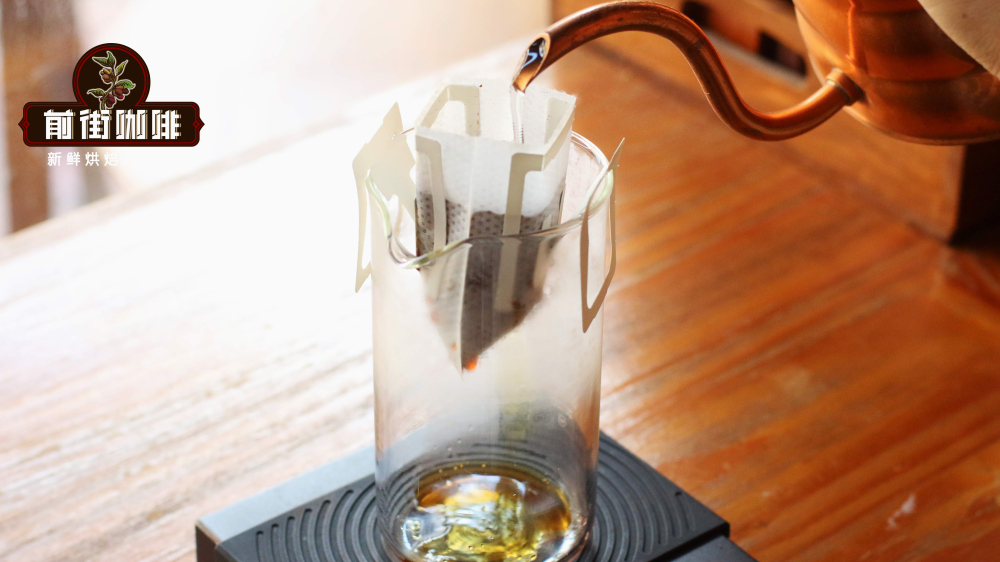
3. Prepare the Drip Bag: Gently shake the drip bag to evenly distribute the coffee grounds. Tear open the seal, unfold the ears, and hang it on the rim of the cup.
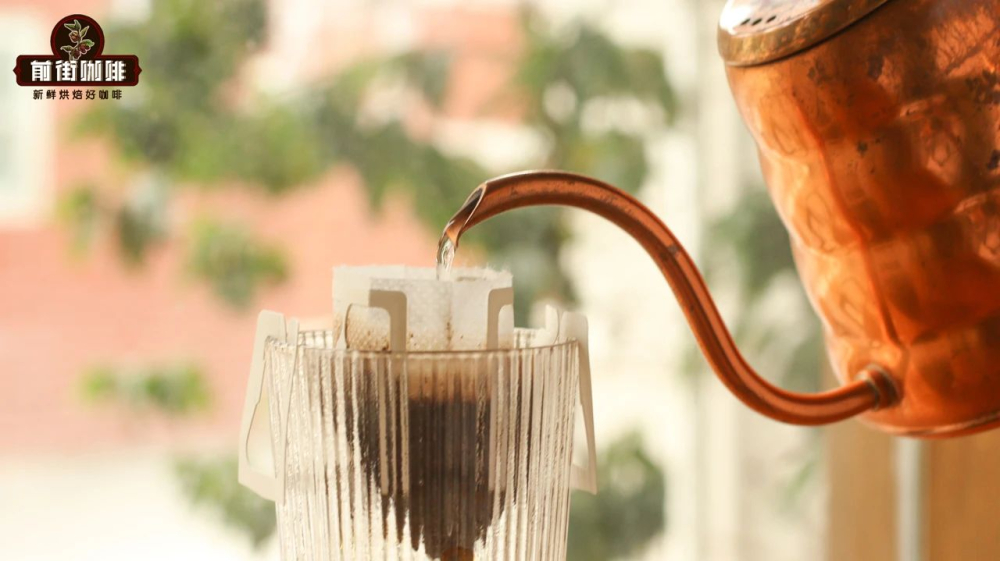
4. Pre-Wet: Pour a small amount of hot water (just enough to soak the grounds), then let it sit for about 20 seconds to allow the coffee grounds to fully expand and release aroma. You may extend this to 40 seconds if a stronger flavor is desired.
5. Pouring: On the second round, pour water until the filter is about 80% full. Use a thin, steady stream. Keep the total extraction volume between 150 and 180cc. Once the water level drops to the pre-wet level, continue pouring until you reach your target volume.
6. Finish: Remove the drip bag after extraction, and enjoy your freshly brewed drip coffee.
As long as you master the correct brewing parameters and techniques, drip bags can deliver a flavor as refined as pour over coffee. From bean selection and freshness assessment to adjusting water temperature and timing, each step influences the final coffee experience. We hope this guide helps you brew a satisfying cup of drip coffee in the comfort of your own home.
The above content is compiled by CoffeeHunters, a coffee news website.


