







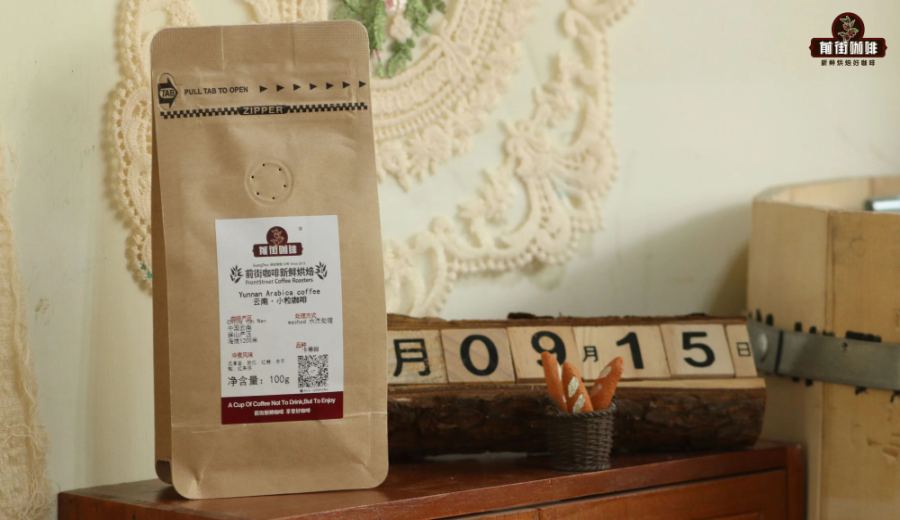
Introduction:An in-depth exploration of the varietal characteristics of Yunnan small-grain coffee, the unique terroir of the Baoshan-Luxi Dam production area, and the differences in roasting performance between Catimor and Typica. This article also provides a practical analysis of washed and natural processing methods, along with cupping flavor notes of a well-known coffee brand’s everyday beans and a 2013 natural Typica, as well as home brewing parameters for a medium roast pour over, taking you from origin to cup to fully grasp the essence of Yunnan coffee.
Yunnan small-grain coffee has recently become a new favorite in the specialty coffee scene, with many coffee enthusiasts beginning to pay attention to the unique flavors nurtured by this land. Starting with regional characteristics, major cultivated varieties, and processing differences, this article offers a detailed analysis of how the dry-hot valley environment of Luxi Dam in Baoshan influences the ripening of coffee cherries and the accumulation of aromatic compounds, and further compares the performance of the two mainstream varieties, Catimor and Typica, under medium roasting. In addition, we’ve compiled practical pour over recommendations so you can brew balanced and layered Yunnan coffee at home.
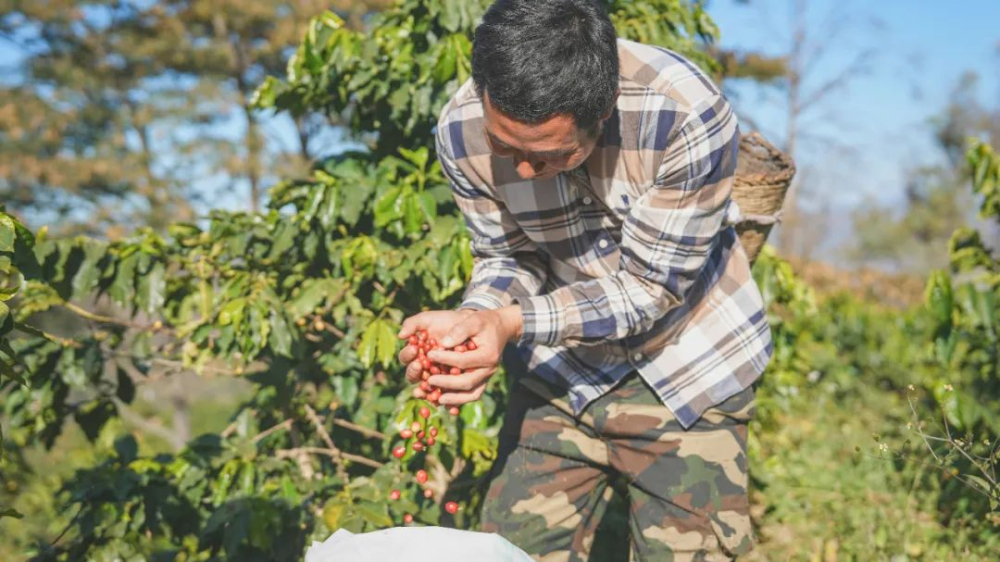
Baoshan is the cradle of coffee cultivation in Yunnan, and Luxi Dam there is one of the country’s largest coffee bases, with Xinzhai Village even hailed as “China’s No. 1 Coffee Village.” The dry-hot valley climate here features small annual temperature variations but large day-night differences, extending the maturation period of coffee cherries and aiding the accumulation of flavor compounds. Coupled with fertile soil and moderate rainfall, the coffee beans produced in this area usually have thinner fruit pulp, a refreshing mouthfeel, and notable sweetness. Due to the steep terrain, coffee harvesting relies entirely on manual labor, concentrated during the harvest season from November each year to March of the following year.
The so-called “small-grain coffee” refers to Arabica varieties with relatively small fruits and seeds, distinctly different from the medium-grain Robusta grown in places like Hainan. In Yunnan’s early years, the main introduced varieties were Typica and Bourbon, both traditional and elegantly flavored Arabicas. Among them, Typica has a long history and is represented by Jamaica Blue Mountain; it offers delicate and varied aromas, but has low yield, is prone to rust disease, and demands higher management. In contrast, although Catimor is classified as Arabica, it incorporates about 25% Robusta genetics, giving it strong disease resistance, high yield, and richer crema, though it is often considered to have less complex flavors than purebred Arabicas, and occasionally exhibits what is known as a “devilish aftertaste.”
It’s worth noting that while Catimor’s Robusta lineage boosts yield and resistance, over time—approximately 20 to 30 years—its rust resistance may gradually decline. Currently, Yunnan has gradually introduced new varieties such as Geisha, and in the future, we may see more high-quality Arabica coffees emerging.
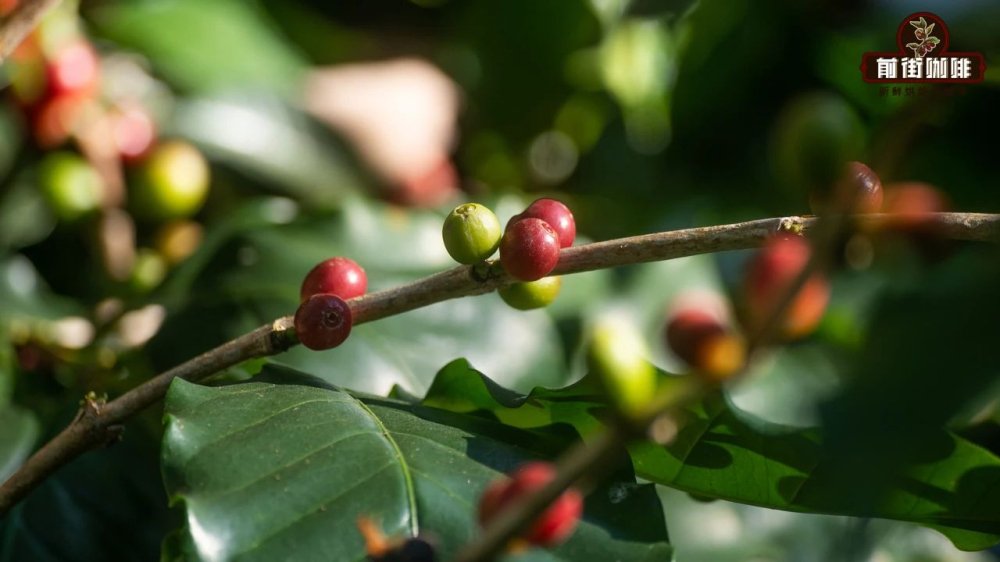
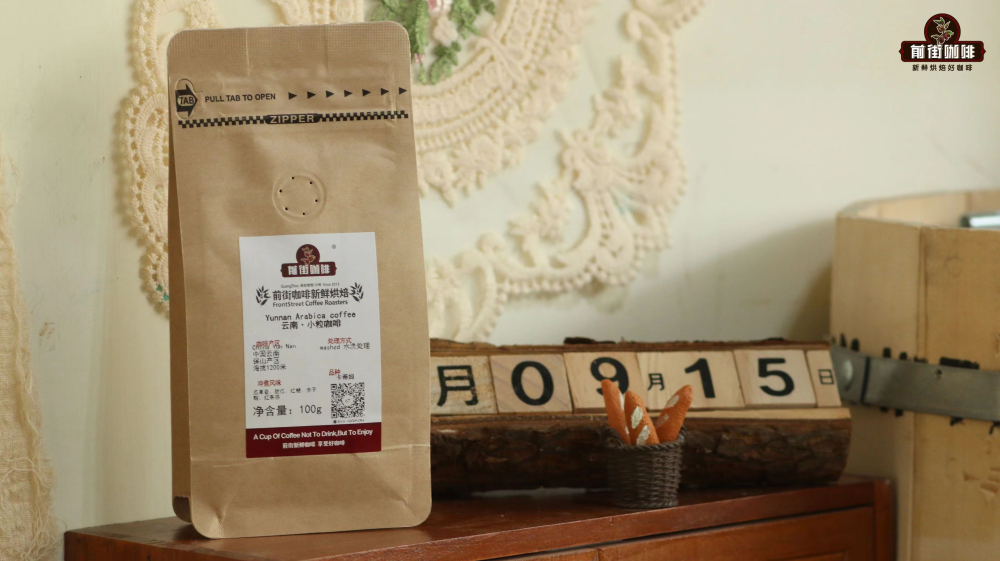
In terms of processing methods, since most Yunnan coffee-growing regions lack expensive post-harvest equipment, washed and natural processes have become the most common. Washed processing reduces defect rates, enhances flavor purity, and minimizes earthy off-notes, which is why a well-known coffee brand’s Yunnan small-grain everyday beans use this method, resulting in a more stable and refreshing profile. Natural processing, on the other hand, can bring out richer sweetness and fermentation layers. For example, the brand’s 2013 natural Typica is made by hand-selecting red cherries, spreading them out to dry naturally, and turning them at appropriate times to avoid over-fermentation, ultimately delivering a mellow and varied mouthfeel.
Regarding roasting, Yunnan small-grain coffee tends toward balanced flavor attributes with acidity, sweetness, and bitterness all present, so medium roasting is commonly used. This roast level fully brings out notes like nuts and chocolate while retaining moderate acidity, making the overall profile more rounded. According to actual cupping results, a well-known coffee brand’s Yunnan small-grain everyday beans display diverse flavors including nuts, herbs, sweet potato, melon, brown sugar, cream, plum, and caramel, with a balanced mouthfeel and a sweet aftertaste; while the brand’s 2013 natural Typica is based on caramel, nuts, and chocolate, combined with aromas of berries, black tea, and sugarcane, featuring a medium-high body, clear layering, and a tea-like mellow aftertaste.
For this type of medium-roast Yunnan small-grain coffee, a pour over method is recommended to fully showcase its balanced profile. In practice, you can use a Hario V60 dripper, paired with medium-fine grinding (about 75% through a 20-mesh sieve), and perform a three-pour brew with 90°C water. Specific parameters are suggested as follows: 15 grams of coffee, a 1:15 coffee-to-water ratio, starting with a 30-second bloom using twice the coffee weight (about 30 grams) of water, then pouring in small streams in a circular motion from the inside out until reaching 125 grams for the first pour. After the coffee bed slightly settles, continue pouring to 225 grams to complete extraction, with a total brew time of about 2 minutes. These parameters help balance the layers of acidity, sweetness, and bitterness, avoiding over-extraction or under-extraction.
Compared to other regional coffees, such as darker-roasted Mandheling or Brazilian beans, it is recommended to use water at 87–88°C with medium-coarse grinding; whereas for lighter-roasted Ethiopian Yirgacheffe or Panamanian Geisha, you can increase the water temperature to 91–93°C and use a finer grind to fully release the bright aromas and acidity of high-altitude beans. By adjusting these variables, you can easily tailor the perfect cup of Yunnan small-grain coffee to your taste at home.
The above content is compiled by CoffeeHunters, a coffee news website.


