







Introduction:Jamaica Blue Mountain coffee is hailed as the "King of Coffee," but its true origin, grading system, and high pricing often leave many puzzled. This article delves into the authentic production regions, four-tier classification standards, and historical quota changes of genuine Blue Mountain coffee. It compares the flavor profiles and ideal consumer groups of Blue Mountain No. 1 and cappuccino, and provides pour-over brewing parameters as well as tips for authenticity verification to help you distinguish between genuine Blue Mountain-flavored beans and instant coffee products.
Blue Mountain coffee has long been regarded as the pinnacle symbol of the coffee world. Yet, countless products on the market claim to be "Blue Mountain." Which grade do beans truly from the Jamaican Blue Mountains fall under? Why are they so expensive? And how do they differ in taste from the common cappuccino? The following will provide a detailed breakdown of the Blue Mountain coffee grading system, historical background, flavor characteristics, and guide you on how to correctly identify authentic products.
True Blue Mountain coffee beans are grown exclusively in the Jamaican Blue Mountains at altitudes above 1,000 meters, covering an area of approximately 6,000 hectares. Since the establishment of the Jamaica Coffee Industry Board (CIB) in 1950, strict regional and quality regulations have been set. Local coffee is divided into three categories: Blue Mountain coffee, High Mountain coffee, and Jamaica coffee, with only beans cultivated at high altitudes in the Blue Mountains qualifying as Blue Mountain coffee.
Blue Mountain coffee is further subdivided into four grades: No. 1, No. 2, No. 3, and Peaberry (PB). No. 1 beans are the most intact in appearance, largest in size, and most uniform, recognized by the market as top-tier quality; No. 2 and No. 3 are slightly smaller in sequence, while PB consists of individually screened small round beans, sized around 14 to 15 mesh. Generally speaking, what consumers refer to as "top-grade Blue Mountain" means Blue Mountain No. 1.
The high price of Blue Mountain coffee stems not only from its rarity but also from the historical quota system. In the past, Japan once monopolized 85% of the global Blue Mountain coffee quota, leaving only 15% allocated to other markets, resulting in extremely low circulation. Data from 2013 shows that Blue Mountain coffee was still primarily exported to Japan, with the rest going to the United States, Europe, and other regions, though China's actual consumption share reached 15%. This is because some quotas entered the market through channels such as Taiwan. In recent years, Japan’s priority purchasing rights have been terminated, allowing China to import Blue Mountain coffee normally, with representatives from Blue Mountain estates even visiting China for promotion.
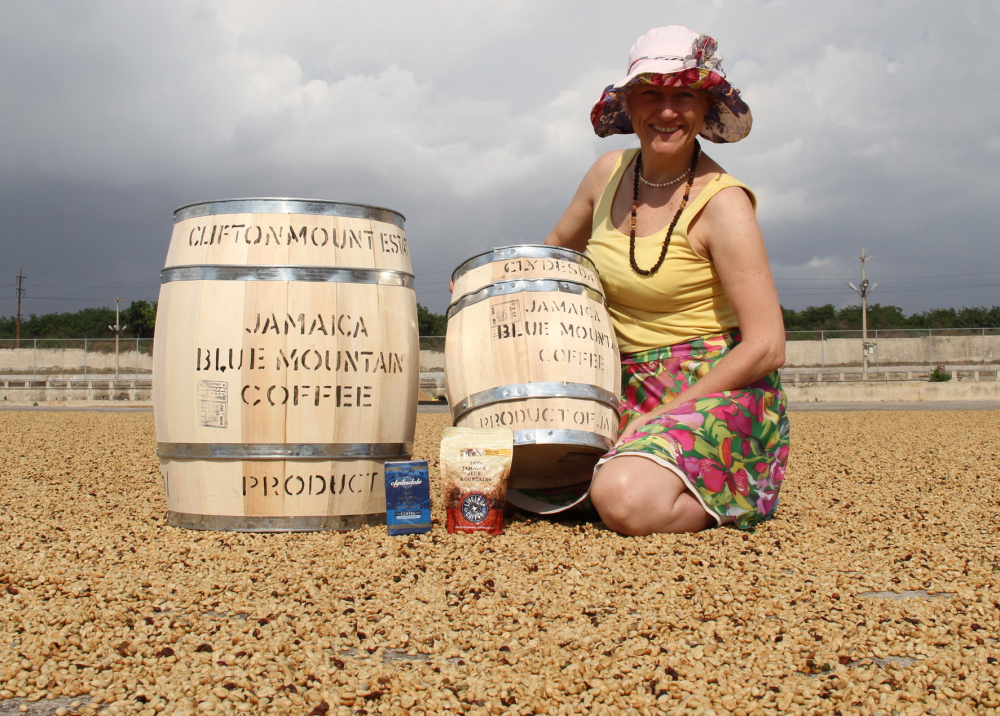
Take the Blue Mountain No. 1 from the Clifton Estate as an example. This farm belongs to the Sharp family, who have a planting history of over two hundred years and is the only producer in the Blue Mountain region certified by the Rainforest Alliance. The estate grows the precious Typica purebred variety—one of the few surviving ancient strains—and utilizes Jamaica’s unique washed processing method, resulting in high-quality green beans that are large in size and uniform in color.
Blue Mountain No. 1 best showcases the balanced flavor of traditional coffee. Roasted to a medium-dark level, it brings out the rich tones of nuts and chocolate, with a well-balanced acidity, sweetness, and bitterness, and is hailed as the "King of Coffee." To fully reveal its delicate layers, it is recommended to use freshly roasted beans (typically within 5 days post-roast) and allow for a 4 to 7-day resting period. All Blue Mountain coffee offered meets this freshness standard, ensuring consumers experience its flavors at their peak.
Pour-over is one of the best methods to highlight the flavor profile of Blue Mountain coffee. It is recommended to use a Kono filter to enhance the body. Suggested parameters are as follows: 15 grams of coffee grounds, a 1:15 coffee-to-water ratio, a grind size of about 75% passing through a 20-mesh sieve (medium grind), with water temperature controlled at 88°C. The specific operation can follow a three-stage pouring method: the first stage involves pouring 30 grams of water for a 30-second bloom, the second stage circles with a small stream of water up to 125 grams before stopping, and when the liquid surface is about to expose the coffee bed, continue pouring to a total of 225 grams. The entire extraction time is about 2 minutes.
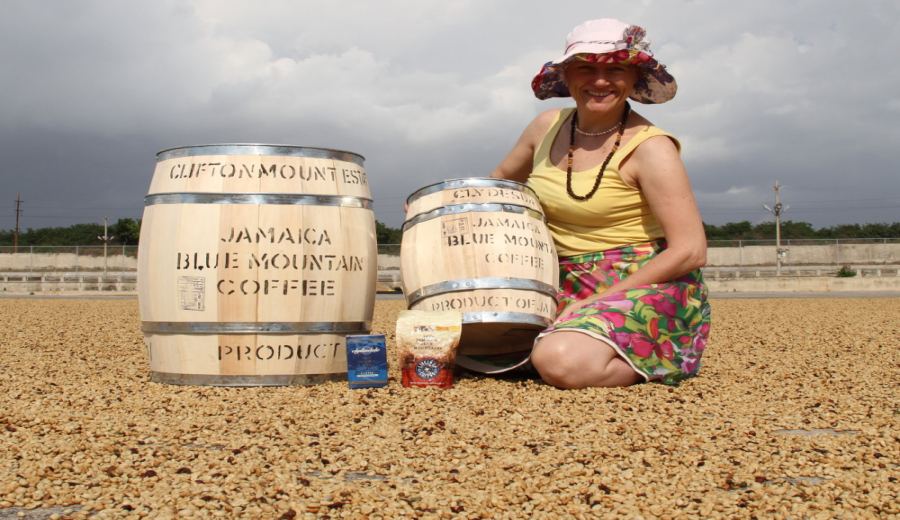
Commonly marketed “Blue Mountain flavor” coffee beans on the market are often blends from other regions and not actually from the Blue Mountains. Unless they come with official certificates or Blue Mountain barrel markings, such products are mostly just commercial buzzwords, and consumers should pay extra attention. Additionally, genuine Blue Mountain coffee beans are expensive—100 grams of green beans may cost over two hundred yuan—so it is almost impossible for instant Blue Mountain coffee to use authentic Blue Mountain beans. Their ingredients are typically cheap Robusta, Yunnan beans, or Brazilian beans, using “Blue Mountain” merely as a marketing term.
As for choosing between Blue Mountain coffee and cappuccino, it depends on individual taste preferences. Blue Mountain coffee is often enjoyed as black coffee, with a rich and nuanced flavor that may seem slightly bitter for those unaccustomed to coffee; cappuccino is an Italian classic, consisting of espresso, steamed milk, and velvety foam, offering a smooth, sweet taste where coffee aroma blends with milk, making it more suitable for beginners.
The above content is compiled by CoffeeHunters, a coffee news website.


