







Introduction:Want to try Yunnan coffee with local characteristics but don’t know which brands or varieties are worth trying? This article delves into the unique features of Yunnan’s four major producing regions, commonly used domestic and international coffee bean grading standards, and provides a detailed comparison of the historical background and flavor profiles of the Typica and Catimor varieties. It also shares the processing method, pour over parameters, and actual flavor experience of sun-dried Typica, helping you find your own premium Yunnan coffee.
As an important coffee-producing region in China, Yunnan has long made its mark on the international market. However, faced with numerous brands and producing areas, many coffee enthusiasts are still puzzled: which brand of Yunnan beans is worth tasting? Centered around the two common Yunnan varieties—Typica and Catimor—this article helps you understand the evolution of Yunnan coffee varieties, its grading system, and provides an in-depth analysis of the geographic and flavor characteristics of the four major producing regions: Pu’er, Baoshan, Dehong, and Lincang. In addition, we visited a self-operated estate located in Lincang to analyze the processing details and optimal brewing methods of sun-dried Typica, allowing you to comprehensively grasp the charm of Yunnan’s small-bean coffee from variety, region, to brewing.
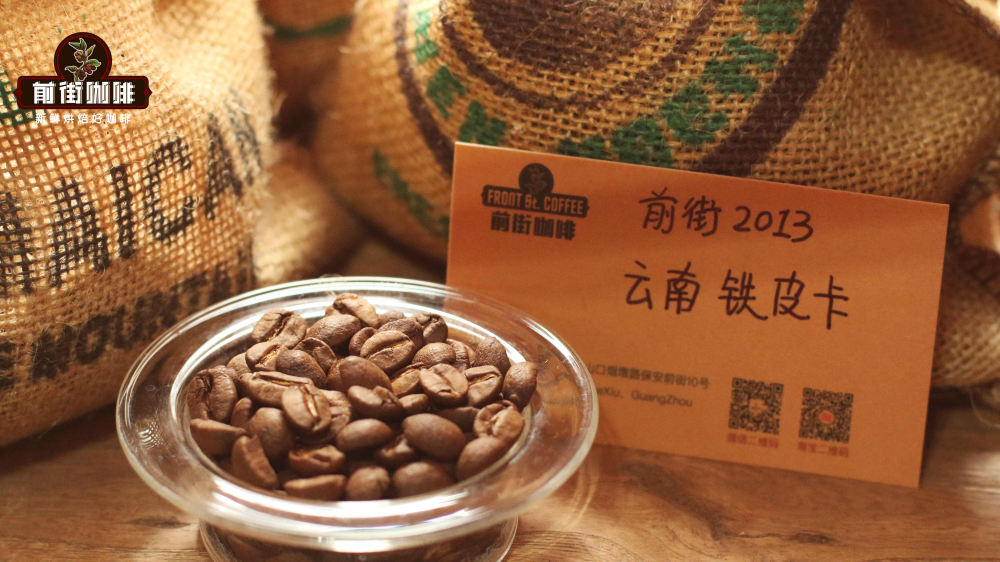
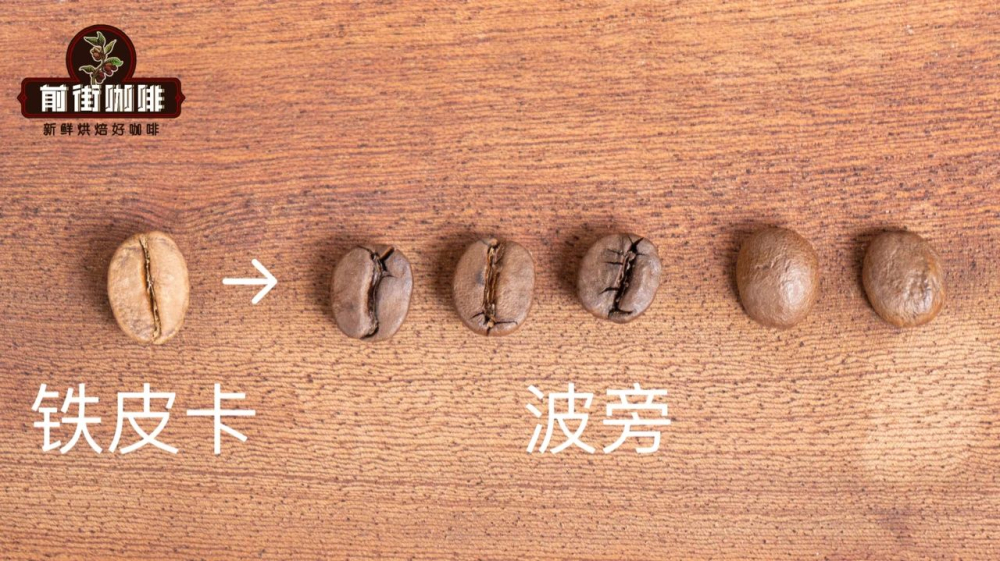
Currently, most Yunnan coffee on the market is of the Catimor variety, but in fact, the history of coffee cultivation in Yunnan began with the much older Typica. Typica is a representative of Arabica small beans and was the first variety introduced to Yunnan. However, due to its weak disease resistance, it was gradually replaced by Catimor—which has strong disease resistance and high yield—after large companies like Nestlé entered the scene. Although Catimor carries Robusta genes and is often considered to have a slightly rough flavor, with the promotion of specialty coffee concepts and advancements in cultivation and post-harvest processing techniques, today’s Catimor has shown significant improvement in flavor performance, with some batches even displaying bright acidity and rich layers.
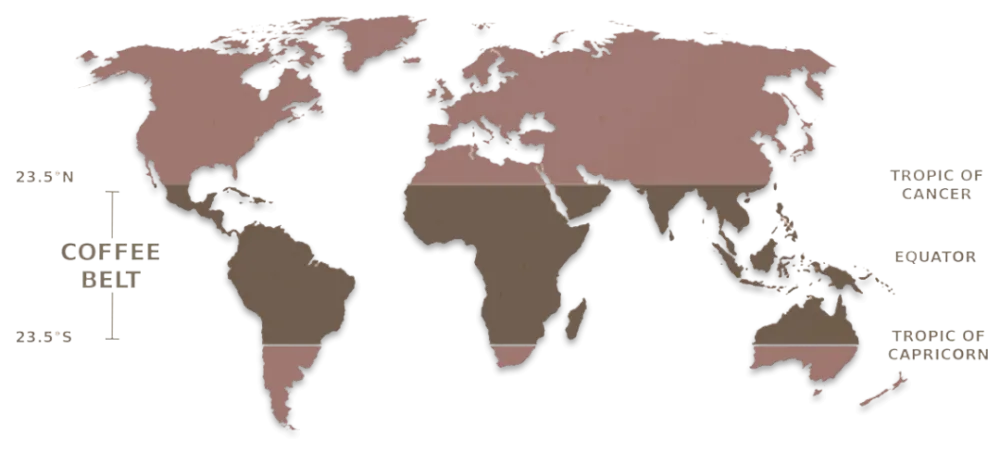
Yunnan’s geographic environment is uniquely advantageous, mostly located between 15°N and the Tropic of Cancer, with most producing regions at altitudes between 1,000 and 2,000 meters. The mountainous terrain is pronounced, with large diurnal temperature variations, plus ample sunlight and moderate rainfall, creating the unique flavor traits of Yunnan’s small-bean coffee—“strong but not bitter, fragrant but not greasy, with a light fruity note.”
In terms of coffee bean grading, Yunnan mainly refers to two internationally common standards: one is based on green bean size, graded by round hole sieve mesh size, commonly ranging from 10 to 20 grades, where a higher number means a larger sieve hole diameter—for example, grade 14 means the beans can pass through a 14/64-inch diameter sieve; the other is evaluated based on the ratio of defective beans, where internationally, a 300-gram sample is typically taken to count the number of defective beans and impurities to determine the grade. Domestically, beans are usually divided into five grades based on diameter: grade one is above 6.5 mm, with plump beans; grade five is below 5.0 mm, mostly broken or incomplete beans. These grading standards help consumers make a preliminary judgment on the basic quality of coffee beans when purchasing.
Yunnan’s main coffee-producing regions include Pu’er, Baoshan, Dehong, and Lincang. The Pu’er area covers nine counties and districts, with planting altitudes mostly between 700 and 1,600 meters and an average annual temperature of 17 to 20°C, making it the largest Yunnan coffee-producing area today. Baoshan is known for its Lijiang area, with planting altitudes of 1,000 to 1,500 meters. In the early years, it once entered the British market with first-grade coffee and is a region certified with the “Baoshan Small Bean Coffee” geographical indication. Dehong is one of the earliest regions in China to commercially plant coffee, with large-scale cultivation starting in 1953. Its diurnal temperature variation and fertile soil give it a full-bodied flavor. Lincang, due to its border location with Myanmar, significant diurnal temperature differences, and abundant rainfall, has become a new focus of coffee cultivation in recent years.
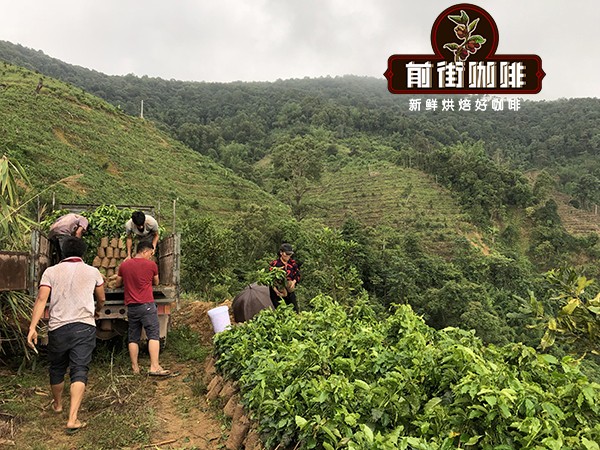
Based on the potential of the producing region, we chose to set up our own plantation in Lincang many years ago. Unlike the typical model of rapid expansion, we have adhered to high standards from the seedling stage, choosing the more challenging Arabica Typica variety, and insisted on cultivating it in a high-altitude environment to maintain the coffee’s flavor potential. Since Typica is sensitive to environmental changes—especially requiring more care in sun-dried conditions—we are committed to maintaining biodiversity and creating the most suitable microclimate for coffee tree growth. From seedling to first harvest, after years of effort, we now have a stable harvest season and are gradually realizing our vision of growing premium coffee.
In terms of processing method, we chose the most traditional-flavored sun-dried processing method. This method involves placing whole red cherries on sun-drying beds for extended drying, during which they must be constantly turned to avoid uneven fermentation. This technique maximizes the retention of the pulp’s sugars and aromas, resulting in a coffee that presents a rich dried fruit sweetness, gentle plum acidity, and a finish of nuts and brown sugar. Many consumers have reported that this sun-dried Typica not only has a unique flavor but also showcases the balanced tone of traditional Yunnan small-bean coffee.
For this sun-dried Typica, we recommend using a V60 filter for pour over, with a powder-to-water ratio set at 1:15, using medium-fine grind (about the size of coarse sugar, or 80% passing rate through a 20-mesh sieve), and water temperature controlled at 91°C. For the brewing steps, start with double the amount of coffee powder’s volume in water (about 30 grams) for a 30-second bloom to help release gases and stabilize subsequent extraction; then pour water in small circles until 125 grams to perform the first pour, then continue pouring until 225 grams before stopping, with a total extraction time of about 2 minutes. This brings out its fruity aroma, sweetness, and rich layers fully.
In actual tasting, this coffee exhibits rich citrus and berry notes, accompanied by a subtle wine aroma, with a caramel-like sweetness and a soft black tea-like aftertaste. The overall mouthfeel is full and mellow, with balanced acidity and sweetness, making it very suitable for coffee lovers who enjoy both fruity and tea-like qualities.
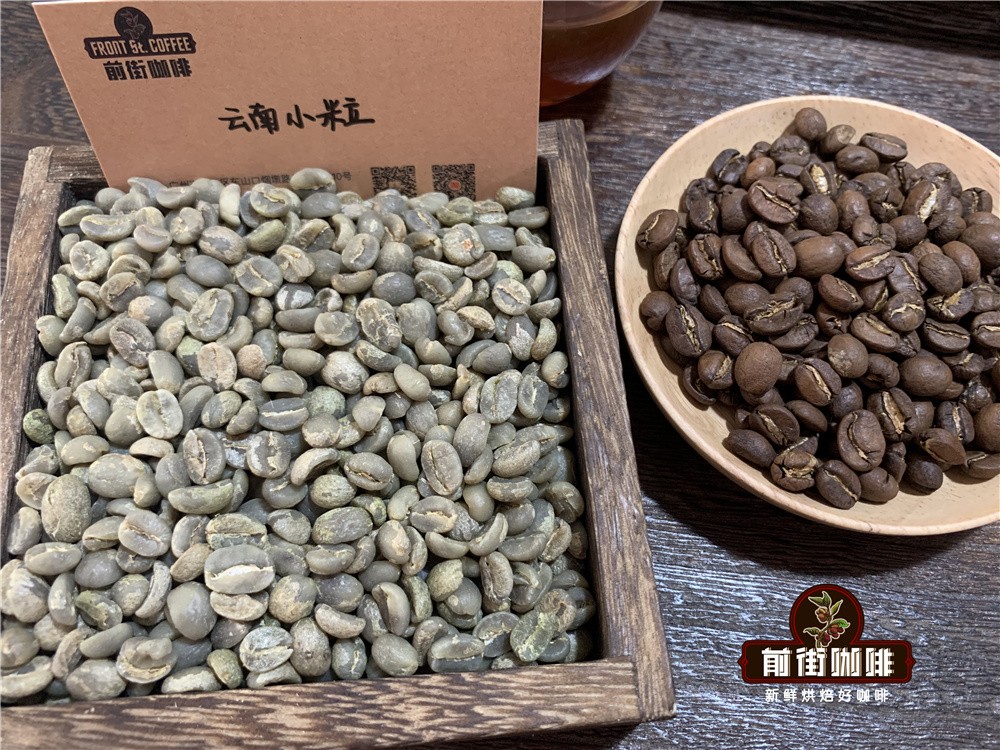
Quick reminder: To preserve the best flavor, it is recommended to choose coffee beans roasted within 5 days and let them rest for 4 to 7 days after receiving to allow the flavors to fully develop. If you choose pre-ground coffee, it is advised to brew immediately to avoid oxidation affecting the aroma after exposure to air. For the most complete flavor experience, it is recommended to buy whole beans and grind them yourself, so you can fully appreciate the delicacy and layers of Yunnan’s small-bean coffee.
The above content is compiled by CoffeeHunters, a coffee news website.


