








Introduction:Have you ever wondered what the difference is between Starbucks’ Flat White and Latte? These two popular milk-based coffees actually vary significantly in terms of milk foam thickness, coffee concentration, and brewing methods. This article starts with the origins of the Flat White, provides a detailed comparison with the Latte, and explores practical parameters that affect taste to help you better appreciate this rich-style milk coffee.
Among major chain coffee brands, a milk coffee based on the Flat White often goes by different names depending on the brand. Starbucks calls it “Flat White” (馥芮白), which quickly gained consumer favor. So, what’s the difference between Flat White and Latte? The answer lies in details such as milk foam thickness, espresso extraction technique, and milk ratio. This article will start from the origin of Flat White, compare its differences with Latte one by one, and explain the key factors that influence flavor.
The name “Flat White” was created by Starbucks and gained widespread popularity through the brand’s promotion. Although different shops may refer to this coffee by various names—Luckin, for example, calls it “Aura White”—they all essentially refer to the Flat White. The characteristic of this type of milk coffee is its emphasis on coffee aroma, so baristas often adjust the recipe based on the characteristics of the beans used to showcase the unique flavor of their brand.
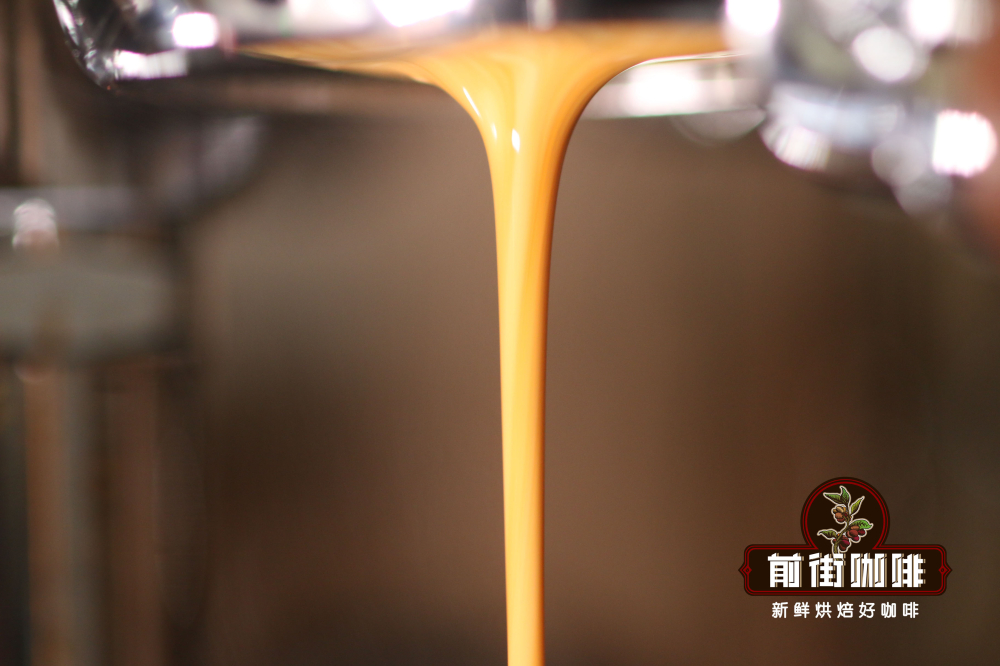
An ideal Flat White should have an extremely fine and thin layer of milk foam on the surface, while the crema (the golden oily foam) on top of the espresso should also be faintly visible. This way, when you take a sip, you can enjoy both the softness of the milk and the richness of the coffee, with a long-lasting aftertaste.Crema is the golden foam that floats on the surface during extraction and is also one of the important sources of coffee aroma.
The history of Flat White can be traced back to the 1980s, when Italian coffee culture was introduced to Melbourne, Australia. Locally, the milk foam layer of a Latte is usually about 1 cm thick, even slightly higher than the rim of the cup, and the taste is close to hot milk with added coffee. In contrast, a Cappuccino has an even thicker foam, up to 2 cm, and the first sip is often just foam. As consumers’ demands for coffee texture became more refined, Australian baristas began seeking a new drink that could showcase both the flavor of espresso and a delicate milk foam. Thus, the Flat White gradually took shape.
In 2015, Starbucks introduced this Australian-originated milk coffee to the Chinese market and gave it the Chinese name “馥芮白” (Flat White). This move not only made the drink an instant hit but also drew more attention to the delicate balance between milk foam thickness and coffee concentration.
Although both Flat White and Latte are based on espresso and milk, they differ fundamentally in taste and texture. A Latte emphasizes a balance between coffee and milk, where the flavors complement each other without either overpowering the other. In contrast, Flat White puts coffee in the spotlight, with milk playing a supporting role, highlighting the aroma and richness of the coffee. As a result, the coffee flavor in Flat White is usually more distinct and concentrated.
It’s worth mentioning that there is no unified standard recipe for Flat White. Baristas present different styles based on their own understanding, which can mainly be divided into two approaches: one uses a double ristretto (Double Ristretto) as the base, paired with a small amount of hot milk to enhance the rich flavor; the other combines a single shot of espresso (Single Espresso) with a thinner layer of milk foam, creating a flavor similar to a “mini Latte.” However, to capture the essence of Flat White, it is recommended to focus on three key elements:Espresso, a smaller cup size, and smooth, thin milk foam.
Compared to other hot milk coffees, Flat White has the thinnest layer of milk foam, typically between0.3 and 0.5 centimeters. The original English name “Flat White” includes “Flat,” meaning the foam layer should be level with the rim of the cup and not rise above it, ensuring that every sip offers a taste of both coffee and the delicate foam. Because of this, Flat White is sometimes called “flat white coffee.” In contrast, a Latte usually has a milk foam layer that is 0.5 to 0.7 cm thick, whereas the foam of a Flat White must be kept below 0.5 cm to maintain a flat visual appearance.One brand retains a milk foam layer of about 0.3 cm to deliver a creamy and smooth texture that is not “watery.”

The unique flavor of Flat White stems from consumers’ relentless pursuit of the aroma and texture of specialty coffee beans. Therefore, different shops create their own versions of Flat White based on the bean varieties they use and personal interpretation. For instance, some coffee shops opt for specific blends and adjust the roast level and grind size to bring out diverse flavor profiles.
Take one brand as an example—their espresso blend is a house-roasted “Sunflower Warmth Blend,” consisting of 70% Honduran Sherry coffee and 30% Ethiopian Yirgacheffe Natural Red Cherry coffee. The Sherry beans contribute whiskey-like aromas, vanilla, and a creamy texture, paired with the tropical fruit and fermented notes of the Red Cherry beans, resulting in a rich yet soft overall taste.
In preparation, the brand chooses a double ristretto (Double Ristretto), using 20 grams of coffee grounds to extract 30 grams of coffee liquid, with an extraction time controlled within25 to 27 seconds. This parameter is fine-tuned based on the daily state of the beans used, and it is recommended that baristas test accordingly before opening. The extracted coffee liquid is first poured into a cup with a capacity of about 200 milliliters, followed by frothing 150 milliliters of milk. It is worth noting that when frothing milk for Flat White, less air should be incorporated compared to a Latte to ensure a thinner and denser foam layer, with the optimal temperature range being55 to 60 degrees Celsiusto make the beverage easier to drink. Finally, the frothed milk is evenly integrated into the coffee liquid to complete this cup of Flat White that balances richness and delicacy.
The final version of Flat White from this brand showcases flavors of chocolate milk and whiskey truffle, with a dense, smooth texture and a long-lasting aftertaste, fully demonstrating the unique charm of Flat White as a premium milk coffee.
The above content is compiled by CoffeeHunters, a coffee news website.


