







Introduction:Want to understand the globally popular Ethiopian washed Yirgacheffe, and how it differs from the SOE Americano launched by Luckin? This article provides an in-depth analysis of the growing environment of Yirgacheffe, the characteristics of its native variety, and its washed processing method. From light roasting to pour over parameters, we fully break down the unique flavor profile and brewing techniques of this renowned coffee bean, helping you better appreciate and extract its delicate acidity and floral notes.
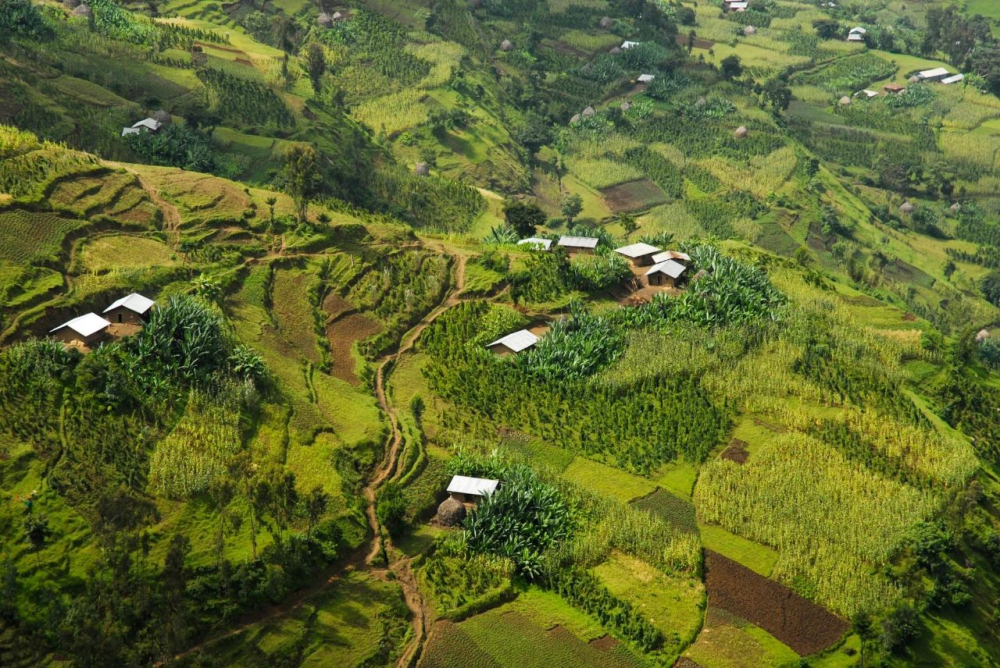
Yirgacheffe is a high-altitude coffee-growing region in southern Ethiopia, situated at elevations above 2,000 meters and part of the Sidamo province. It is renowned for producing specialty coffee with fine flavors and bright acidity. Among these, washed Yirgacheffe is the flagship representation of the region, characterized mainly by citrus acidity, white floral notes, and honey-like sweetness, making it highly favored by coffee enthusiasts worldwide.
These coffee beans typically use the Ethiopian Heirloom variety, also commonly referred to as the “heirloom variety.” Due to Ethiopia’s vast and complex coffee gene pool — which has not been fully classified and made public by authorities — the market generally refers to them collectively as “native varieties.” These coffee trees are mostly cultivated by local farmers in home gardens or mixed-crop farms. Although yields are low, the quality is distinctive, representing a classic highland garden-style cultivation model.
What enables washed Yirgacheffe to stand out among many coffees is its rigorous washed processing method. Compared to the common natural (sun-dried) process, washed processing relies on a stable water supply and processing facilities. Although more costly, it effectively removes pulp and impurities, significantly improving the uniformity and cleanliness of green beans. During processing, after fermentation, the beans are placed in water tanks where the slippery mucilage layer is removed through water flow and friction. They are then washed multiple times and dried, ultimately presenting a purer, brighter, and more layered flavor profile.
This processing method gives Yirgacheffe highly recognizable citrus acidity, reminiscent of the fresh tang of lemons and limes, paired with bright white floral notes and honey-like sweetness. The taste is clean and delicate, with a long and uplifting aftertaste. Unlike the intense, bitter roastiness of traditional dark-roasted coffee, washed Yirgacheffe showcases a bright, refreshing, and vibrant flavor profile.
In terms of roasting, washed Yirgacheffe is usually roasted to a light or light-medium level to preserve its inherent flavors and acidity. Light roasting highlights fruity acidity and floral notes, creating what is known as the “fruit acid coffee” trend. This flavor direction aligns more closely with the public's preference for sweetness and a refreshing taste, hence gaining popularity in global markets.
When it comes to Yirgacheffe coffee products on the market, one cannot overlook the Yirgacheffe SOE Americano once launched by Luckin. SOE stands for Single Origin Espresso, referring to espresso made from coffee beans of a single origin and variety. The Yirgacheffe SOE used by Luckin is lightly to medium-light roasted, emphasizing floral and fruity aromas. After being extracted as espresso, it is diluted with water to make an Americano, resulting in a beverage flavor as refreshing as fruit tea. If milk is added, it can be turned into an SOE latte, which still retains a clear fruit aroma as the main theme.
Compared to the heavy, caramelized richness of traditional dark-roasted Americanos, the Yirgacheffe SOE Americano wins with its light floral and fruity character, appealing to consumers who prefer a refreshing taste. This product sparked discussions on social platforms and helped more people recognize the potential and charm of single-origin coffee.
If you want to experience the charm of washed Yirgacheffe at home, pour over is an excellent choice. Below are commonly used pour over parameters, suitable for coffee lovers seeking clear fruit acidity and layered flavors:
- Filter dripper:V60
- Water temperature:92-93°C
- Coffee dose:15 grams
- Coffee-to-water ratio:1:15 (recommended total water volume: 225 grams)
- Grind size:Fine sugar-like size, approximately 78% passing rate through a #20 sieve
Suggested pour over steps are as follows: First, pour 30 grams of hot water for a 30-second bloom to activate the coffee grounds; then pour 95 grams of water (total about 125 grams) within about 1 minute; when the water level drops to about two-thirds of the coffee bed, pour the remaining 100 grams of water (total about 225 grams). The entire extraction process should be completed in approximately 2 minutes and 10 seconds. These parameters help fully showcase the fruit acidity, floral notes, and overall complexity of washed Yirgacheffe.
Whether you are trying Ethiopian coffee for the first time or are already familiar with the flavors of Yirgacheffe, understanding its regional background, processing methods, and roasting style can help you better appreciate the unique qualities of this classic specialty coffee and achieve more ideal flavor results during brewing.
The above content is compiled by CoffeeHunters, a coffee news website.


