








Introduction:Choosing the right espresso beans is the first step to brewing a great cup of coffee. This article delves into the key considerations when selecting espresso blends, covering medium-dark roast characteristics, crema production, and the flavor profiles of different blends, while also explaining how freshness impacts extraction. Additionally, it introduces four common types of espresso bean blends—including rich classics, fruity fermented, nutty balanced, and high-value entry-level options—to help coffee enthusiasts and shop owners make suitable choices based on their needs.
Espresso is known for its intense and full-bodied flavor, maintaining a clear coffee character even when mixed with a lot of milk or hot water. This type of coffee is typically extracted under high pressure for a short period, so the roast level and freshness of the beans are crucial. It’s recommended to choose medium-dark roasted blends, which not only produce a rich crema but also release complex aromas such as caramel, chocolate, and roasted notes, resulting in a more stable and smooth extraction.
If you prefer a coffee with distinct personality and rich flavor layers, single-origin espresso (SOE, Single Origin Espresso) is also a good choice. These coffees often highlight regional characteristics, showcasing unique fruit, floral, or special processing method flavors. Whether you’re a beginner or a professional shop owner, understanding blending logic and freshness management is key to improving coffee quality.
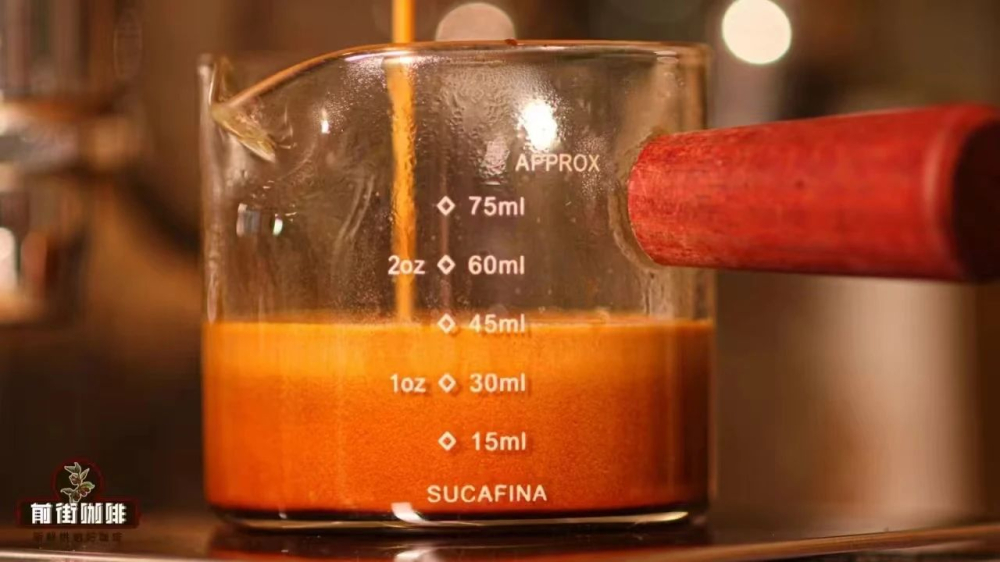
The soul of espresso lies in its richness and complexity—even when water or milk is added, the clear coffee character remains distinguishable. This is thanks to the appropriate roasting method and bean combination. Medium-dark roasted blends have a tighter bean structure and more complete development, allowing them to release sufficient oils and aromatic compounds under high pressure. This not only enhances mouthfeel fullness but also improves overall extraction efficiency. Moreover, freshly roasted beans retain most of their flavor compounds, maximizing the expression of their inherent characteristics.
Blended coffee is usually made from beans sourced from two or more regions, aiming to achieve flavor balance and consistent output. Common blending strategies include using Brazilian beans to establish a rich base, adding deeply roasted beans from Indonesia or Vietnam to introduce chocolate and spice notes, or blending beans from Central and South America to enhance fruit acidity and sweetness. These combinations not only improve the structural complexity of the coffee but also help shops maintain consistency in high-volume production.
If you’d like to explore different flavor directions, here are several common types of espresso bean blends and their characteristics:
【Rich and Bold Type】These blends often use deeply roasted Brazilian, Indonesian, and Vietnamese beans, emphasizing caramel, dark chocolate, and smoky flavors. They are suitable for making espresso, Americano, or latte. With rich crema and a full-bodied mouthfeel, they are ideal for those who enjoy intense flavors.Recommended roast level: Full City+ to French Roast.
【Fruity Fermented Type】Some premium blends or SOEs use special processing methods, such as anaerobic fermentation or natural sun-drying, to bring out pronounced grape, citrus, or berry flavors. These coffees usually have bright acidity and layered complexity, making them suitable for summer iced drinks or for users seeking innovative flavors. For example, beans processed with double anaerobic natural sun-drying are often found in competition-level recipes.Recommended roast level: City+ to Full City.
【Nutty Balanced Type】These medium-dark roasted blends often feature Brazilian beans as the base, complemented by beans from regions like Colombia to add nuttiness and soft fruit acidity. The flavor is stable and not overly strong, making them suitable for daily drinking or for those new to espresso.
【High-Value Entry-Level Option】For home users or small shops with budget constraints but still wanting consistent quality, these blends typically use cost-effective medium-dark roasted mixes, offering basic caramel sweetness, dark chocolate, and nutty flavors. They deliver great value for money and are suitable for high-volume use.
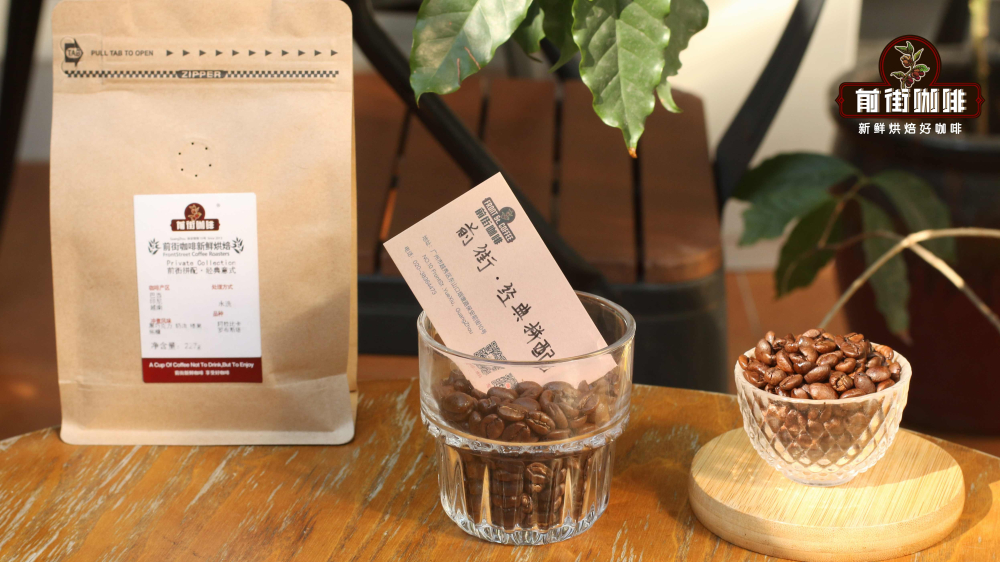
No matter which type you choose,the roast date of the beans is the primary indicator of freshness. It’s recommended to select products with a clearly marked roast date (not an expiration or best-before date), and to use them within 2 to 4 weeks after roasting for optimal flavor. Coffee beans that are too old not only lose aroma but may also become flat or develop off-flavors due to oxidation.
When choosing a supplier, prioritize those with a reputable brand and a guarantee of fresh roasting. Ideally, the beans should have been roasted within the last 5 days and delivered quickly to ensure they arrive at their peak freshness. Additionally, pay attention to storage conditions—use a sealed container and store in a cool, dry place away from direct sunlight and moisture to prolong the flavor life of the beans.
The above content is compiled by CoffeeHunters, a coffee news website.


